
Plants
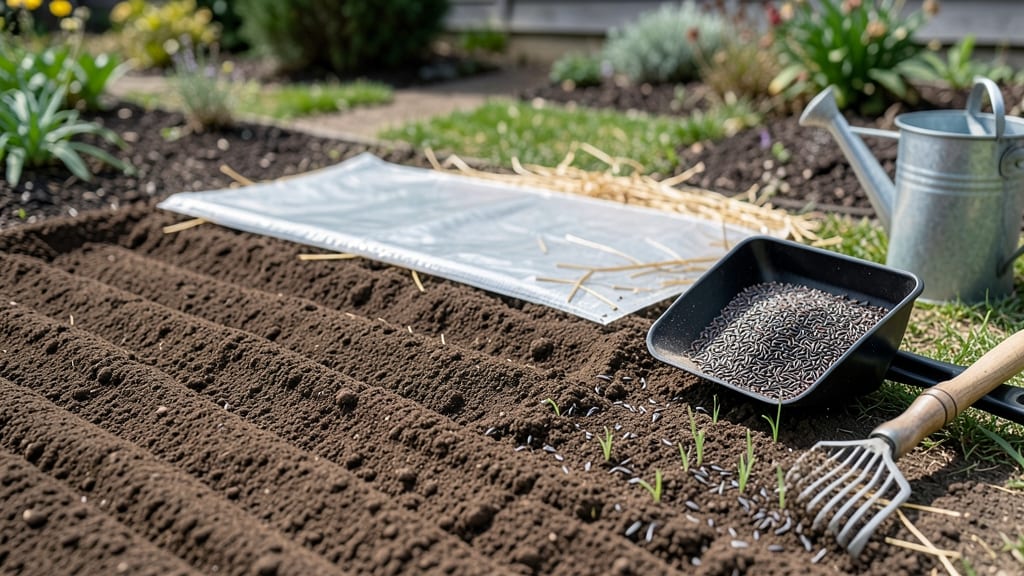
Timing your grass seed planting just right in spring can transform your lawn from patchy and uneven to a lush, vibrant carpet—without waiting until summer heat sets in.
The key lies in understanding when soil temperatures hit that sweet spot for germination, typically between 50°F and 75°F, depending on your grass type.
If you're in USDA Zone 6a, like many gardeners across the Midwest, early to mid-spring is your golden window—usually between late March and early April. But planting too early risks frost damage, while waiting too long means slower growth as temperatures rise.
I’ll show you how to check soil warmth and adjust your schedule for fast, reliable results.
Most gardeners make the mistake of rushing in too soon, only to watch their seeds wash away or rot in cold soil. The secret? A little patience and preparation—like loosening the soil, adding compost, and keeping it consistently moist.
With the right approach, you’ll see those first green shoots in just 3-4 weeks, setting your lawn up for success all season.
Ready to skip the guesswork? Let’s dive into the science and simple tricks that’ll have your 🌱 grass thriving before summer even arrives. You’ll learn how to read your soil’s temperature cues, avoid common pitfalls, and give your lawn the strong start it deserves.
The ideal spring soil temperature range for grass seed germination
Spring is the prime season for planting grass seed, but timing isn't just about the calendar—it's about soil temperature. Grass seeds need the right warmth to germinate, and planting too early or late can leave your lawn patchy or struggling.
The ideal soil temperature range for most grass types is between 50°F and 75°F, but this varies based on whether you're planting cool-season or warm-season grass.
Cool-season grasses, like Kentucky bluegrass and fescue, thrive when soil temperatures are between 50°F and 65°F. These grasses are best planted in early spring, typically 4-6 weeks before your last frost date.
Warm-season grasses, such as Bermuda and Zoysia, prefer warmer soil, ideally between 65°F and 75°F, making late spring the perfect window for them.
Understanding your local climate zone is key. In colder regions like USDA Zone 3 or 4, you might need to wait until late April or early May to avoid frost damage.
Meanwhile, in warmer zones like Zone 8 or 9, you can start as early as February or March. Always check your last frost date and monitor soil conditions closely.
If you're unsure about your soil temperature, don't guess—test it! A simple soil thermometer can give you accurate readings in just minutes. Planting when the soil is too cold can delay germination for weeks, while planting too late might expose young seedlings to summer heat stress. Balance is everything.
🌱 Grass Seed Germination Guide
| Grass Type | Ideal Soil Temp (°F) | Best Planting Window | Germination Time |
|---|---|---|---|
| Cool-Season (Kentucky Bluegrass, Fescue) | 50°F–65°F | Early Spring (4-6 wks before last frost) | 7–21 days |
| Warm-Season (Bermuda, Zoysia) | 65°F–75°F | Late Spring (after last frost) | 10–30 days |
| Tall Fescue | 55°F–70°F | Early to Mid-Spring | 10–14 days |
| Perennial Ryegrass | 50°F–60°F | Early Spring (or Fall) | 5–14 days |
💡 Pro Tip: Use a soil thermometer to check temps at a depth of 2–4 inches for accurate readings.
Regional differences play a huge role in timing. For example, in the Pacific Northwest, where springs are cool and wet, you might start planting as early as March.
In contrast, the Southern U.S. can see ideal conditions as early as February, but planting too soon can lead to fungal diseases in humid climates.
Another critical factor is daytime vs. nighttime temperatures. Even if the soil is warm enough, if nighttime temps drop below 40°F, germination can stall. Use row covers or seed blankets to protect young seedlings if early spring nights are chilly.
This small step can make the difference between a thriving lawn and one that struggles to take hold.
If you're in a transitional zone where spring weather is unpredictable, consider late spring planting (May) for cool-season grasses. The trade-off is slower initial growth, but your lawn will be better equipped to handle summer heat.
Always prioritize consistent soil warmth over rushing the process—patience pays off in a lush, healthy lawn.
Finally, remember that soil preparation is just as important as timing. Loosen the top 2–3 inches of soil, remove debris, and level the area before planting. A well-prepared seedbed ensures your grass seeds make the most of the ideal soil temperatures you've worked so hard to achieve.
By aligning your planting schedule with soil temperature guidelines and regional conditions, you’ll set your lawn up for success. The right timing isn’t just about when you plant—it’s about giving your grass the best possible start in life. 🌱
The ideal spring soil temperature range for grass seed germination
Understanding the perfect soil temperature for grass seed germination is the secret to a lush lawn. Most grass seeds need soil between 50°F and 75°F to sprout consistently.
Cool-season grasses like Kentucky bluegrass and fescue thrive at 50°F–65°F, while warm-season varieties such as Bermuda grass and Zoysia prefer 65°F–75°F.
In USDA Zone 6a, where last frost typically hits around April 15, aim to plant 4–6 weeks before that date. This usually lands in late March to early April.
Planting too early risks frost damage, while waiting too long means slower growth as temperatures climb. The key is balancing soil warmth with air temperature—seeds need stable conditions to avoid stress.
Regional adjustments matter. In northern climates, early spring planting (March) works for cool-season grasses, while southern regions can start as early as February. Always check your local last frost date and monitor soil temps to fine-tune your schedule.
A simple soil thermometer (or even a DIY test with a thermometer in a can of water buried in the soil) can save you from costly mistakes.
🌱 Grass Seed Germination by Type & Soil Temp
| Grass Type | Ideal Soil Temp (°F) | Best Planting Window | Germination Time |
|---|---|---|---|
| Cool-Season (Fescue, Bluegrass) | 50°F–65°F | Late March–Early April | 7–21 days |
| Warm-Season (Bermuda, Zoysia) | 65°F–75°F | Late April–May | 14–30 days |
If your soil is too cold (below 50°F), seeds may rot. Too hot (above 75°F), and they’ll dry out before sprouting. The sweet spot is when soil stays consistently warm for 5–7 days—this ensures steady germination.
Pro tip: Use a seed blanket or black plastic mulch to warm cold soil faster if needed.
Don’t overlook moisture levels either. Seeds need consistent dampness (about 1–1.5 inches of water per week) to activate. A sprinkler on a timer or soaker hose keeps soil evenly moist without washing seeds away. Once sprouts appear, reduce watering slightly to prevent fungal diseases like damping off.
Timing isn’t just about the calendar—it’s about soil science. By mastering these temperature thresholds, you’ll outpace neighbors with patchy lawns and enjoy a thick, green carpet by summer. Ready to test your soil? Grab that thermometer and let’s get planting! 🌱