
Flowers
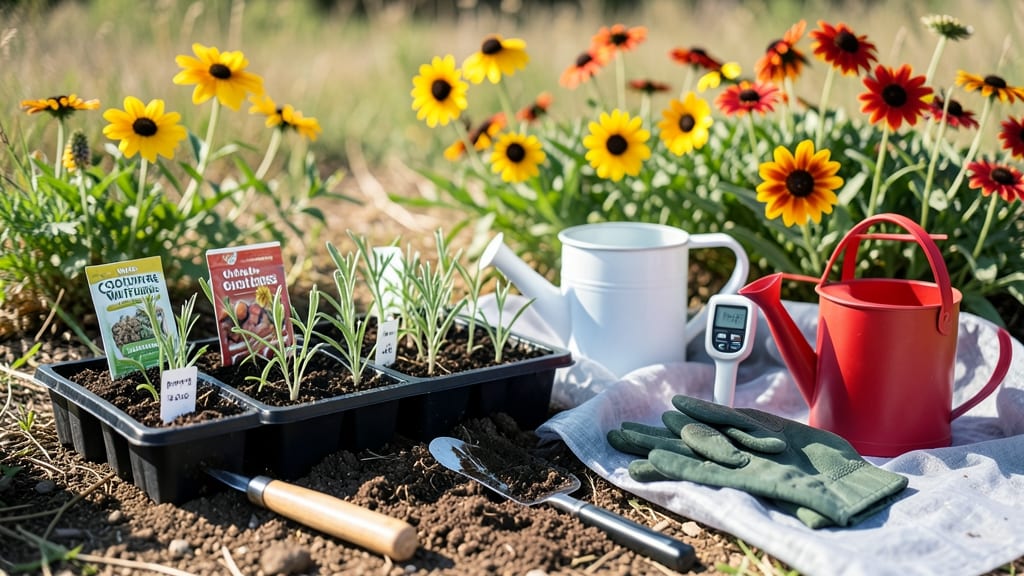
Timing your flowers planting in Colorado isn’t just about the calendar—it’s about beating frost, soil warmth, and microclimates that can turn a thriving garden into a frozen mess.
With USDA Zones 5-7 and unpredictable last frost dates (often around April 15), knowing the exact windows for spring and fall planting is the difference between vibrant blooms and wilting disappointment.
You’ve probably heard the general rule: plant 🌸 flowers in spring after frost danger passes. But Colorado’s Front Range and Western Slope have wildly different conditions—Denver’s urban heat islands warm up faster than high-altitude Boulder, while the Western Slope’s lower elevations can start planting weeks earlier.
That’s why this guide breaks down zone-specific deadlines so you can avoid common pitfalls like planting too early (and risking frost damage) or too late (and missing peak bloom seasons).
What if I told you there’s a 6-week window in spring and another in fall where your flowers have the best shot at thriving?
Whether you’re growing hardy natives like columbines or delicate annuals like petunias, the key is matching your planting schedule to your local frost-free days—and adjusting for microclimates that can shift those dates by 2-4 weeks.
Let’s dive into the exact months and strategies to make your Colorado garden a year-round showstopper.
From extending your planting season with row covers to choosing the right cold-hardy varieties, this guide gives you the tools to turn Colorado’s unpredictable climate into an advantage. No more guessing—just confident planting that leads to a garden bursting with color from June through October. Ready to get started?
Colorado planting zones explained: when to plant flowers by USDA Zone (5-7)
Colorado’s diverse elevations and microclimates create wildly different planting windows—even within the same city. The Front Range (Denver, Boulder) typically falls in USDA Zone 5b-6a, while the Western Slope (Grand Junction) sits in Zone 6b-7a.
These zones dictate your last frost dates, which can vary by 2-3 weeks between high-altitude gardens and lower desert areas.
For Zone 5 (high-altitude areas like Steamboat Springs), the average last frost arrives around May 15, while Zone 7 (lower elevations like Pueblo) sees its last frost by April 15.
This means spring-blooming flowers like tulips can go in 2 weeks earlier in Pueblo than in Fort Collins. Understanding these zones helps you avoid frost damage and maximize bloom time.
Here’s the key rule: Wait until soil temperatures reach 50°F (10°C) and nighttime temps stay above 32°F (0°C) for at least 5 consecutive days. Use a soil thermometer to check—cold soil can stunt young roots even if air temps seem warm.
In Zone 6 (Denver/Boulder), this usually aligns with mid-April to early May.
🌱 Colorado Planting Zones & Frost Dates
| Zone | Last Frost Date | First Frost Date | Best Planting Window | Microclimate Notes |
|---|---|---|---|---|
| 5b (Steamboat, Leadville) | May 15–May 30 | September 20–October 5 | May 15–June 15 | Short season; use cold frames |
| 6a (Denver, Boulder) | April 15–April 30 | October 1–October 15 | April 15–May 15 | Urban heat islands warm soil faster |
| 6b (Fort Collins, Colorado Springs) | April 1–April 15 | October 10–October 25 | March 30–April 30 | Dry air speeds evaporation |
| 7a (Pueblo, Grand Junction) | March 15–March 30 | October 20–November 5 | March 1–April 15 | Longer growing season; desert climate |
Don’t rely solely on average frost dates—check the National Weather Service or local CoCoRaHS reports for real-time updates. In 2023, Denver’s last frost occurred on May 10, 2 weeks later than the 30-year average.
For fall planting, aim to get annuals like marigolds in 6-8 weeks before your first frost (e.g., by September 1 in Zone 6).
High-altitude gardens (5,000+ feet) face earlier frosts and shorter seasons. If you’re in Zone 5, opt for cold-hardy perennials like coneflowers or black-eyed Susans, which thrive in cool soils.
In Zone 7, you can push the envelope with tender annuals like petunias by using row covers for a 2-week extension in spring or fall.
Urban gardeners in Denver or Colorado Springs often experience microclimates where sidewalks or buildings create warmer pockets. Test your spot by placing a frost-sensitive plant (like coleus) outside overnight in late April. If it survives, your zone is likely warmer than average for
Best flowers to plant in Colorado by season: timing for annuals, perennials, and bulbs
Colorado’s diverse microclimates mean your spring planting can start as early as mid-March in lower elevations like Pueblo (Zone 6) or as late as early May in high-altitude Denver (Zone 5).
The key is matching your flower varieties to their ideal planting window—whether that’s cool-season bulbs like tulips or heat-loving annuals like marigolds. Let’s break down the best flowers for each season and how to time them perfectly.
For spring planting, focus on hardy perennials and cool-tolerant annuals that can handle Colorado’s chilly mornings. Columbines and delphiniums thrive when planted in March or early April, while pansies and snapdragons can handle light frosts and are perfect for late April starts.
If you’re in a warmer microclimate (like Colorado Springs), you can push annuals like petunias and geraniums into the ground by mid-April—just be ready to cover them if frost sneaks back.
🌸
Best for: Tulips, daffodils, columbines, snapdragons, pansies, petunias
Pro Tip: Wait until soil temps hit 50°F—use a soil thermometer!
Best for: Marigolds, zinnias, sunflowers, cosmos (direct-sow after frost risk passes)
Pro Tip: Succession plant every 2 weeks for continuous blooms!
Best for: Asters, chrysanthemums, pansies, calendulas, bulbs (tulips, daffodils)
Pro Tip: Plant bulbs 6–8 weeks before first frost (aim for late Sept–early Oct).
Best for: Blanketflower, penstemon, coneflowers, blue grama grass
Pro Tip: Plant in full sun and well-draining soil—they’re drought-tough!
Don’t overlook fall planting, which is often overlooked but critical for next year’s blooms. Bulbs like tulips and daffodils should hit the soil by late September (or as early as August in high-altitude areas).
For annuals like pansies, which thrive in cool weather, plant them in late August to enjoy blooms through winter—just protect them with a light frost blanket if temps dip below 20°F.
If you’re in the Western Slope (e.g., Grand Junction, Zone 6), you can extend your planting season by 2–3 weeks compared to the Front Range. For example, marigolds and zinnias can be direct-sown as early as mid-April in Grand Junction, while Denver gardeners should wait until mid-May.
Always check your local CoCoRaHS frost data or use the Colorado State University Extension’s frost calendar for real-time adjustments.
For container gardening, you have even more flexibility. Petunias and geraniums can be planted in pots by late April (even if ground planting is too risky), and you can move them indoors or under a cold frame if frost threatens.
Just ensure your containers have drainage holes and use a heat mat to keep roots warm on chilly nights.
🌿