
Plants
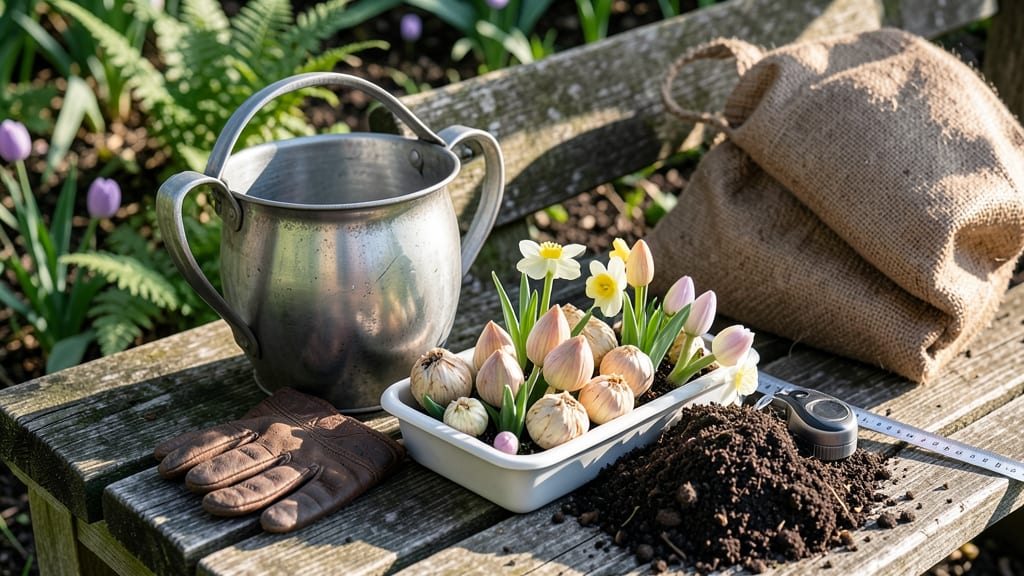
When should you plant bulbs in the ground? Timing your bulb planting perfectly can mean the difference between a stunning spring display and wasted effort—get it wrong, and frost or heat will ruin your flowers before they bloom.
If you're in USDA Zone 6a, like many gardeners across the Midwest, the ideal window for planting 🌱 bulbs is 4-6 weeks before the ground freezes. That means late September to early November—just enough time for roots to establish before winter sets in.
But what happens if you miss this window? Or if you're in a warmer zone where the rules change?
I’ve planted bulbs for years, and the key to success isn’t just guessing when to dig. It’s understanding how soil temperature, frost dates, and even bulb type play a role.
Whether you’re planting tulips, daffodils, or crocuses, this guide will help you avoid common mistakes and get the most vibrant blooms next spring.
Let’s break down the exact deadlines by zone, the best varieties for your climate, and how to adjust if your season throws a curveball. Ready to turn your garden into a springtime showstopper?
Frost-free deadlines for planting bulbs by USDA hardiness Zone
Planting bulbs at the wrong time can leave you with weak roots or no blooms at all. The key is understanding your USDA hardiness zone and the 6-8 week rule: most spring-blooming bulbs need this window between planting and first frost to establish roots.
For example, in Zone 5, aim to plant by mid-October—but in Zone 9, wait until December when soil cools below 60°F. This table breaks down the perfect planting windows for your zone, with notes on exceptions for warm climates.
One common mistake? Planting spring bulbs in summer heat. When soil temperatures exceed 85°F, bulbs rot before they can root. Always check soil—not air—temperature with a soil thermometer for accuracy. For Zone 10+, plant in winter when temps drop, and avoid summer planting entirely.
Another critical factor is bulb hardiness. Daffodils and crocuses are hardy to Zone 3, while tender tulips struggle below Zone 5.
This affects your planting window: in colder zones, you have more time before frost arrives, but in warmer zones, you must act quickly to avoid summer heat.
Pro tip: Use mulch after planting to insulate bulbs from temperature swings. In Zone 6, a 2-inch layer of straw keeps soil temps stable, while in Zone 9, mulch prevents premature sprouting. Always remove mulch in spring once shoots appear to avoid rot.
For spring-planted bulbs like caladiums or canna lilies, the rule flips: wait until soil warms to 65°F after last frost. These tropical bulbs can’t tolerate cold, so timing matters just as much—just in the opposite season.
If you’re unsure about your zone, check the USDA Plant Hardiness Zone Map and adjust for microclimates. A north-facing slope stays cooler longer, while a south-facing bed warms up faster. Use these adjustments to fine-tune your planting schedule for success.
Remember: Soil temperature > air temperature is your golden rule. A crisp 50°F morning might feel perfect, but if the soil is still 70°F, wait a few more days. This small detail separates thriving bulbs from failed plantings.
🌱
Best bulb varieties and their unique planting timing rules
Not all bulbs follow the same planting schedule—some need fall planting to bloom in spring, while others thrive when planted in winter or even early spring. Understanding these differences ensures your garden bursts with color at the right time.
For example, tulips and daffodils are classic fall-planted bulbs, but crocuses and snowdrops can handle early spring planting in milder climates.
Let’s break down the planting rules for 5 popular bulbs to help you time it perfectly. Each variety has its own quirks, like soil temperature preferences or frost tolerance, which can make or break your blooms.
Whether you’re in Zone 3 or Zone 10, these guidelines will keep your bulbs happy and blooming.
Fall (Zones 3-8) or Winter (Zones 9-11)
- Avoid summer planting—bulbs rot at soil temps above 85°F.
- Plant 6-8 inches deep in well-draining soil.
- Hardy in cold climates but not frost-tolerant once sprouted.
Fall (Zones 3-10) or Early Winter (Zone 11)
- Deer-resistant and frost-hardy—ideal for cold climates.
- Plant 4-6 inches deep for smaller varieties.
- Bloom earlier than tulips in spring.
Fall (Zones 4-9) or Early Spring (Zone 10)
- Drought-tolerant once established.
- Plant 6-8 inches deep for globe varieties.
- Bloom late spring to summer—great for filling gaps.
Fall (Zones 3-8) or Early Spring (Zones 9-11)
- One of the earliest bloomers—often appear in late winter.
- Plant 3-4 inches deep for small bulbs.
- Naturalize easily in lawns and meadows.
Fall (Zones 3-9) or Winter (Zone 10)
- Love well-draining soil—amend clay with compost.
- Plant 6 inches deep and 6 inches apart.
- Bloom in early to mid-spring with fragrant flowers.
For continuous blooms, try layering bulbs—plant early bloomers like crocuses first, followed by daffodils, then tulips. This creates a staggered spring display that lasts for weeks. Just ensure each layer gets planted at the correct depth and spacing to avoid competition for nutrients.
Hardy bulbs like daffodils and crocuses can handle early planting and even light frosts, while tender bulbs like tulips need cooler soil to establish roots.
If you’re in a warm climate (Zone 10+), wait until winter temperatures drop below 60°F before planting fall bulbs to mimic their natural dormancy cycle.
Pro Tip: Mark your planting dates on a garden calendar or use a soil thermometer to track when conditions are ideal. This small step can save you from wasted bulbs or missed blooms next spring.