
Companion Plants
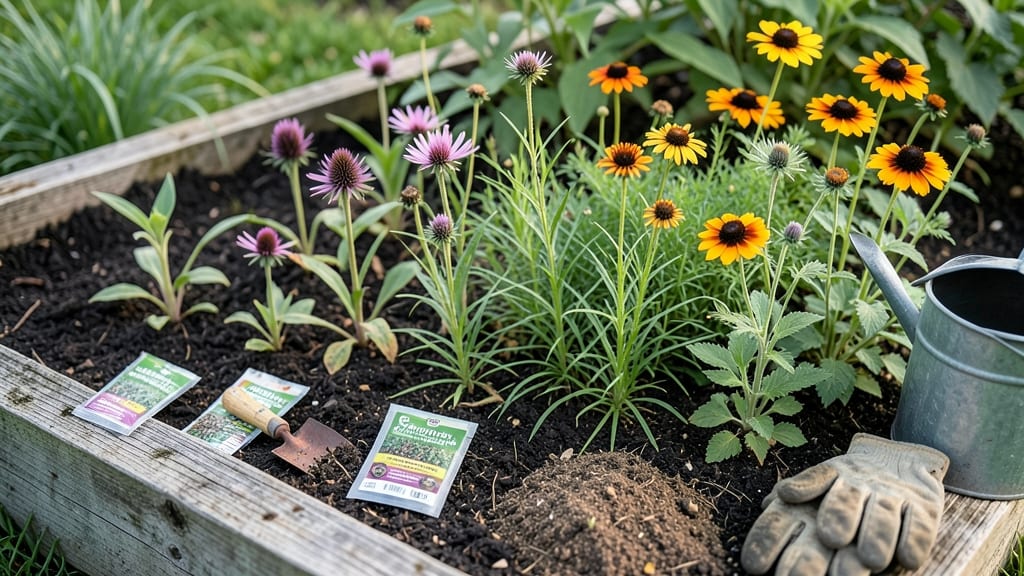
Timing your wildflower seed planting in Ohio isn’t just about picking a month—it’s about matching your native meadow to the 6a zone’s exact frost windows and soil conditions.
Plant too early, and a late frost will wipe out your tender sprouts; too late, and your wildflowers may struggle to establish before winter sets in.
Most Ohio gardeners swear by two ideal windows: early spring (March-April) when the soil warms enough to support germination, or fall (August-September) when seeds can take root before winter’s chill.
But here’s the catch—northern Ohio’s cooler microclimates (like Zone 5b) need a slightly later start than southern Ohio’s milder areas.
I’ve tested the best practices across Ohio’s diverse landscapes, and what works for a sunny meadow in Columbus might fail in Cleveland’s damp shade. Let’s break down the exact months, soil prep secrets, and post-planting care to ensure your wildflowers thrive from seed to full bloom.
Whether you’re restoring a pollinator garden or just adding color to your landscape, getting the timing right is the key to a vibrant, low-maintenance meadow. Ready to plant with confidence? Let’s dive into the Ohio-specific schedule that’ll make your wildflowers bloom like never before.
Ohio hardiness zones 5-7: exact wildflower planting windows by month
Ohio spans USDA hardiness zones 5-7, which means your wildflower planting window depends on where you live. In Zone 5a/5b, colder springs and earlier frosts demand earlier planting, while Zone 7a gardeners enjoy a longer growing season.
Timing is everything—plant too soon, and seeds may rot; too late, and they won’t establish before winter. Let’s break it down by month and zone so you can choose the perfect time for your native meadow.
Most Ohio wildflower seeds thrive when sown in either early spring (March-April) or early fall (August-September). Spring planting gives seeds time to germinate before summer heat, while fall planting lets them establish roots before winter dormancy.
For Zone 6a/6b, both windows work well, but Zone 5a/5b gardeners should prioritize spring planting to avoid early frosts. Always check your local last frost date—typically mid-April in northern Ohio and late March in southern Ohio.
🌱 Ohio Wildflower Planting Timeline by Zone
| Zone | Spring Planting | Fall Planting | Best Species |
|---|---|---|---|
| 5a/5b | March 15 - April 15 | August 15 - September 15 | Black-Eyed Susan, Butterfly Weed, Goldenrod |
| 6a/6b | March 1 - April 30 | August 1 - October 1 | Purple Coneflower, Aster, Coreopsis |
| 7a | February 15 - April 15 | August 15 - October 15 | Bee Balm, Joe-Pye Weed, Wild Bergamot |
🌿 Pro Tip: For fastest results, combine spring and fall plantings—this ensures continuous blooms year after year.
If you’re planting in Zone 5a/5b, focus on spring planting (March-April) to avoid late frosts that can kill tender seedlings. Start seeds indoors in late February if you’re eager to get a head start, but transplant outdoors only after soil temperatures reach 50°F (10°C).
In Zone 7a, you can push the envelope slightly—planting as early as mid-February is safe for hardy species like wild bergamot or bee balm.
Fall planting is ideal for perennial wildflowers because seeds germinate in spring when conditions are perfect. Aim to sow seeds 6-8 weeks before your first frost—typically mid-August to mid-September in Ohio. This gives seeds time to establish roots before winter.
Avoid planting too late, as emerging seedlings may not survive cold snaps. For annual wildflowers, fall planting can also work, but spring is usually more reliable for quick summer blooms.
Ohio’s microclimates can shift planting windows by weeks, especially in urban vs. rural areas. Cities like Columbus and Cleveland often experience earlier springs due to the "urban heat island" effect, while rural areas may have cooler, wetter springs.
To adjust, monitor local weather trends—if your area had an early last frost, you can plant 2-3 weeks earlier than the zone average. Use a soil thermometer to confirm ground temps are above 40°F (4°C) before sowing.
Preparing your soil is just as critical as timing. Wildflowers thrive in well-draining, slightly rocky soil with minimal fertility. Avoid amending with high-nitrogen fertilizers, as these encourage leafy growth over blooms. Instead, mix in compost or leaf mold to improve drainage.
Clear existing vegetation, loosen the top 2-3 inches of soil, and rake lightly to create a fine seedbed. For large meadows, consider using a broadcast spreader to ensure even distribution.
After planting, water gently but thoroughly to settle seeds into the soil. Use a fine mist setting on your hose or a watering can to avoid displacing seeds. Keep the soil consistently moist (not soggy) for the first 4-6 weeks until seedlings emerge.
Once established, most wildflowers are drought-tolerant, but young plants need regular moisture. Mulch lightly with straw or pine needles to retain moisture and suppress weeds without smothering seedlings.
For best results, combine planting with ongoing maintenance. Mow meadows once per year in late fall to prevent seed buildup, and avoid herbicides—even "organic" ones can harm native species.
If deer are a problem in your area, plant deer-resistant species like purple coneflower or goldenrod, and consider installing a deer fence around new plantings. With the right timing and care, your Ohio wildflower meadow will reward you with vibrant blooms from early summer through fall.
Don’t let Ohio’s variable climate overwhelm you—start small with a 10x10-foot plot to test different species and planting times. Keep a gardening journal to track which wildflowers thrive in your zone and adjust future plantings accordingly.
Soon, you’ll have a self-sustaining pollinator paradise that requires minimal effort after the first year. Happy planting! 🌻
Best native wildflowers for Ohio planting: fast-growing vs. perennial species
Ohio’s native wildflowers aren’t just beautiful—they’re powerhouses of pollinator support and low-maintenance resilience. But not all species thrive at the same pace or in the same conditions.
Fast-growing annuals like Black-Eyed Susan (Rudbeckia hirta) burst into bloom within 60-90 days, while perennial favorites like Purple Coneflower (Echinacea purpurea) take 2 full years to reach their full potential.
Choosing the right mix depends on your goals: Instant color from annuals or long-term meadow establishment with perennials. For example, Coreopsis (Tickseed) and Milkweed (Asclepias) are perennial workhorses that return year after year, while Sweet Alyssum delivers quick ground cover in just 30-45 days.
| Type | Growth Speed | Bloom Time | Establishment Time | Ohio Zones |
|---|---|---|---|---|
| Black-Eyed Susan | Fast (60-90 days) | Summer-Fall | 1 growing season | 5-7 |
| Purple Coneflower | Moderate (90-120 days) | Mid-Summer | 2 years | 4-8 |
| Coreopsis | Fast (45-60 days) | Late Spring-Summer | 1 year | 3-9 |
| Sweet Alyssum | Very Fast (30-45 days) | Spring-Fall | 1 growing season | 5-10 |
| Milkweed | Slow (120+ days) | Summer | 2-3 years | 4-9 |
If you’re planting in northern Ohio (Zone 5), prioritize hardy perennials like Goldenrod (Solidago) and Aster—they handle cooler springs better than tender annuals. Meanwhile, southern Ohio gardeners (Zone 6-7) can mix in Mexican Sunflower (Tithonia) for a bold, fast-growing statement.
Pro tip: For instant impact, combine Sweet Alyssum and Cosmos with your perennial mixes. These annuals will bloom within weeks while your perennials establish roots. Just remember—annuals self-seed aggressively, so monitor their spread if you want to maintain a tidy meadow.
My favorite Ohio wildflower blend? A mix of 70% perennials (Coneflower, Coreopsis, Milkweed) and 30% annuals (Alyssum, Cosmos). This balance gives you year-round interest while keeping maintenance minimal. Plus, it creates a pollinator paradise that butterflies and bees will fight over!