
Companion Plants
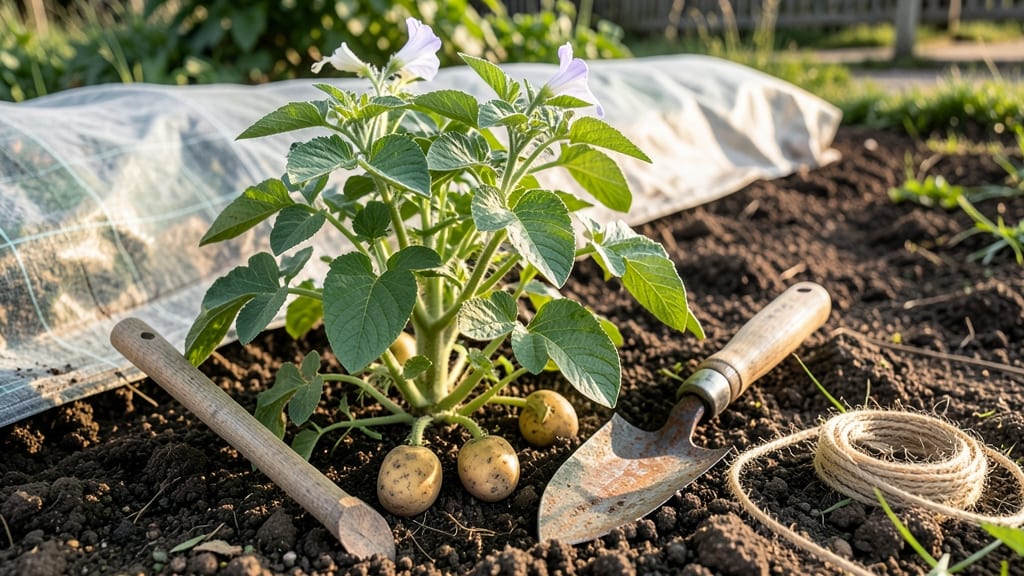
If you’ve ever wondered when to plant potatoes in Zone 7, timing is everything—get it right, and you’ll enjoy a harvest of crisp, flavorful 🥔; get it wrong, and you might end up with stunted tubers or worse.
Zone 7’s mild winters and warm summers create a unique growing window, but without the right strategy, you could miss the sweet spot for planting.
Most gardeners in Zone 7 plant potatoes between February and April, but the exact timing depends on your last frost date and the variety you choose. Early varieties can handle cooler soil, while later ones need warmer temperatures to thrive.
I’ll break down the best weeks before last frost to plant for maximum yield, plus how to adjust for Zone 7’s unpredictable spring weather.
You don’t need a green thumb to grow potatoes successfully—just the right knowledge. Whether you’re a first-time gardener or a seasoned pro, understanding soil temperature, frost risks, and the best planting windows will help you avoid common mistakes.
Let’s dive into the exact steps to ensure your potatoes grow strong and healthy.
From choosing the right variety to protecting your crop from late frosts, this guide will give you the confidence to plant potatoes at the perfect time. Ready to dig in? Let’s get started.
Best weeks before last frost to plant potatoes in Zone 7
In Zone 7, potatoes thrive when planted 2-4 weeks before your average last frost date, typically around March 15. This timing ensures tubers establish roots before soil warms too much.
For most Zone 7 gardeners, that means planting between February 28 and April 1, depending on your exact microclimate.
Potatoes are cool-season crops that detest heat stress—planting too early risks frost damage, while planting too late leads to bolting (flowering prematurely) and poor yields. The key is finding that sweet spot when soil temperatures hover around 45-55°F and remain consistently above freezing at night.
Zone 7's mild winters and variable springs make timing tricky. Some years, cold snaps linger into April, while others bring unseasonable warmth in March. Always check your local frost dates (USDA Plant Hardiness Zone maps aren't perfect for frost timing) and monitor soil temps with a soil thermometer for precision.
Pro Tip: If your spring is unpredictable, consider planting early varieties (like 'Yukon Gold') in late February under row covers for extra protection. This gives you a head start while minimizing frost risk.
| Planting Window | Soil Temp | Frost Risk | Best Varieties |
|---|---|---|---|
| Late February - Early March | 45-50°F | High (use row covers) | Early: 'Red Norland', 'Early Girl' |
| Mid-March | 50-55°F | Moderate | Mid: 'Yukon Gold', 'Kennebec' |
| Early April | 55-60°F | Low | Late: 'Russet', 'Purple Viking' |
For Zone 7 gardeners, I recommend planting in two batches: one in late February/early March for early varieties, and another in early April for late-season types. This succession planting strategy extends your harvest window from July through September.
Another critical factor is soil moisture. Potatoes need consistently damp soil to form tubers, but soggy conditions lead to rot. Aim to plant when your soil is workable but not waterlogged. If your spring is dry, water deeply 2-3 days before planting to help seeds sprout evenly.
Zone 7's hot summers can also affect planting timing. If you live in the southern part of Zone 7 (like Atlanta or Raleigh), consider planting late-season varieties in early April to avoid the peak heat.
In cooler northern Zone 7 areas (like Pittsburgh), you can push planting into early May for a fall harvest.
To calculate your exact planting window, subtract 60-90 days (depending on variety) from your first frost date in fall. For most of Zone 7, this lands between early April and mid-May. Always err on the earlier side—potatoes grow faster in cool weather than in heat.
Remember, seed potatoes (not grocery-store potatoes) are essential. Cut them into 1.5-inch chunks with at least one "eye" each, let them cure for 24 hours to form calluses, then plant with the eyes facing up. This simple step boosts germination rates by 30-40%.
How to adjust planting for Zone 7’s unique climate challenges
Zone 7’s unpredictable weather—from late spring frosts to scorching summers—can throw off even the most experienced gardener’s potato planting schedule. Unlike more stable climates, Zone 7’s average last frost date around March 15 isn’t set in stone.
Some years, frost lingers until April 1, while others see early warm spells by February 20. This variability means you’ll need flexible strategies to protect your crop.
One of my biggest lessons came after planting Yukon Golds in early March only to see them nipped by a late frost. Since then, I’ve adopted a two-pronged approach: delayed planting with row covers and succession planting for fall harvests.
These methods help me hedge against Zone 7’s most common pitfalls—cold snaps and heat stress—while still maximizing my yield.
Here’s how I adjust my planting timeline to match Zone 7’s quirks:
Even if your average last frost is March 15, Zone 7 can still see frost as late as April 5. Use a frost calendar from your local extension office or check Almanac’s Frost/Freeze Predictor for real-time updates. I always plant 2-3 weeks after my local forecast to avoid surprises.
For early planting, I start with cold-hardy varieties like Red Pontiac or Kennebec, which can tolerate 40°F soil temperatures. I plant these in late February to early March, using black plastic mulch to warm the soil faster.
This gives me a 2-3 week head start before the official last frost. The mulch also suppresses weeds and retains moisture—critical in Zone 7’s dry springs.
Once the danger of frost passes (typically by mid-April), I switch to row covers or lightweight fabric tunnels for mid-season varieties like Russet. These protect young plants from unexpected cold snaps while still allowing sunlight and airflow.
I’ve found that even a single layer of frost cloth can raise soil temperatures by 5-7°F, accelerating growth during cool spells.
Heat stress is another Zone 7 challenge, especially for late-season varieties. When temperatures climb above 85°F, potato plants can stop producing tubers or develop scab disease. To combat this, I use shade cloth (30-50%) during peak afternoons and focus on drip irrigation to keep soil moisture consistent.
I also avoid planting late varieties after June 15, as the harvest window becomes too tight before the first frost.
For a second harvest, I plant late-season varieties like German Butterball in late June, using the same row cover protection. These potatoes mature faster in the cooler fall temperatures, giving me tubers ready by early October—just before the first frost.
This succession planting strategy extends my harvest by 6-8 weeks and makes the most of Zone 7’s 165 frost-free days.