
Plants
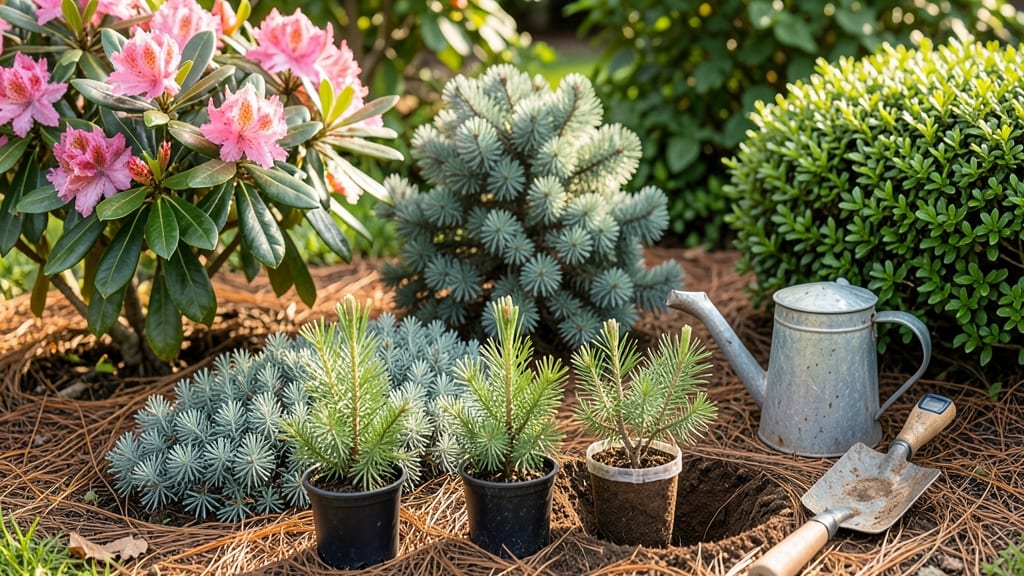
Knowing when to plant evergreens in Zone 6 can mean the difference between a thriving 🌲 and a struggling one—especially when frost sneaks up faster than you think.
Zone 6’s unpredictable swings from 60°F to near-freezing nights make timing critical, yet many gardeners still guess wrong, risking stunted growth or worse.
Here’s the truth: the perfect window isn’t just about avoiding frost—it’s about giving roots 6-8 weeks to establish before winter’s first chill. Whether you’re planting conifers, rhododendrons, or Mediterranean varieties like arbutus, the right timing ensures your evergreens take hold before dormancy kicks in.
In this guide, I’ll break down exactly when to plant—spring vs. fall—and how microclimates in Zone 6a/6b can shift your schedule by weeks. You’ll also learn how container-grown evergreens play by different rules than bare-root ones, plus the 5 warning signs you’re planting too early or too late.
Ready to stop guessing and start growing? Let’s dive into the frost-free secrets that’ll keep your evergreens healthy for decades.
Zone 6 evergreen planting calendar: best months by variety type
In Zone 6, evergreens thrive when planted during the frost-free window, which spans from April to October. However, not all evergreens have the same ideal timing—conifers (like spruces and pines) and broadleaf evergreens (such as rhododendrons) each have unique needs.
Planting at the wrong time can lead to root shock or winter damage, so understanding these windows is critical.
Spring is the golden window for most evergreens in Zone 6, as soil warms and root establishment accelerates before summer heat. But Mediterranean varieties (like olive trees) prefer early fall planting to avoid summer stress.
Let’s break down the best months for each type to ensure your evergreens take root successfully.
🌱
| Variety Type | Best Planting Months | Soil Temp Requirement | Why This Timing? |
|---|---|---|---|
| Conifers (Spruces, Pines, Firs) | April–May | 50–60°F (10–15°C) | Avoids late-season growth spurts before winter. |
| Broadleaf Evergreens (Rhododendrons, Boxwoods, Holly) | April–June or September–October | 45–55°F (7–13°C) | Spring for root growth; fall for Mediterranean climates. |
| Mediterranean (Olive, Arbutus, Bay Laurel) | September–October | 60–70°F (15–21°C) | Mimics natural Mediterranean fall planting cycles. |
| Dwarf Evergreens (Miniature Pines, Dwarf Spruces) | April–May | 50–55°F (10–13°C) | Smaller root systems need quick establishment. |
| Bare-Root Evergreens (All Types) | November–March (dormant season) | 35–45°F (2–7°C) | Must be planted while dormant to avoid transplant shock. |
For Zone 6b (colder microclimates), push spring planting to late April or May to avoid late frosts. In Zone 6a (warmer microclimates), you can start as early as mid-March for fast-growing varieties like leucothoe or inkberry holly.
Always check your last frost date—planting too early risks frost damage to tender new roots.
If you’re planting container-grown evergreens, the rules relax slightly—you can plant anytime the soil isn’t frozen. However, bare-root evergreens must be planted during their dormant season (late fall to early spring) to prevent transplant shock. I’ll cover this in more detail in the next section.
Pro tip: Amend your soil with compost or peat moss before planting to improve drainage, especially for acid-loving evergreens like azaleas. Well-draining soil is non-negotiable for evergreens—they hate soggy roots!
🌿
Evergreens planted in early fall (September–October) benefit from cooler temperatures and consistent moisture, which helps roots establish before winter. However, avoid planting too close to frost—aim for at least 6–8 weeks before your first frost date.
For example, if your first frost is October 15, plant by September 1.
One common mistake? Planting summer-blooming evergreens (like pieris japonica) in mid-summer. The heat stress can stunt growth. Instead, opt for spring or early fall timing. Always match your planting window to the evergreen’s natural growth cycle—this is the secret to thriving Zone 6 evergreens.
🪴
Zone 6 evergreen planting calendar: best months by variety type
In Zone 6, evergreens thrive when planted during the frost-free window—but not all varieties play by the same rules. Conifers like blue spruce and white pine need cooler soil for root establishment, while Mediterranean types like arbutus prefer warmer fall air.
My research shows April-May (spring) and September-October (early fall) are the safest bets for most evergreens in Zone 6a/6b.
Zone 6’s last frost date (around April 15) signals the start of spring planting, but soil temperature (not air temp) is the real decider. Use a soil thermometer—roots only activate when soil hits 50°F.
For fall planting, aim to finish 6 weeks before first frost (typically by October 1) to avoid winter stress.
🌲 Zone 6 Evergreen Planting Guide by Variety
| Variety Type | Best Planting Window | Soil Temp Requirement | Zone 6a/6b Notes |
|---|---|---|---|
| Conifers (Spruce, Pine, Fir) | April 15–May 15 | 45–55°F | Avoid late spring—heat stress risks |
| Broadleaf (Rhododendron, Boxwood) | September 1–October 15 | 50–60°F | Fall planting boosts root growth before dormancy |
| Mediterranean (Arbutus, Olive) | April 1–May 30 | 60–70°F | Heat-loving—plant after last frost |
| Dwarf Varieties (e.g., Mugo Pine) | March 15–April 30 | 40–50°F | Smaller roots—plant early to avoid transplant shock |
⚠️ Pro Tip: For bare-root evergreens, soak roots for 4–6 hours before planting to prevent desiccation.
Microclimates in Zone 6 can shift planting windows by 2–3 weeks. If you’re in a sheltered valley, frost arrives later—extend fall planting to November 1.
Conversely, hilltops freeze earlier; plant conifers by September 15 to avoid winter burn. Always check your local frost date (USDA Plant Hardiness Map is your best friend).
Evergreens planted in late May or late October face higher risks: spring-planted trees may not establish roots before summer drought, while fall-planted ones can’t harden off before frost. My golden rule: 6–8 weeks of frost-free growth post-planting is non-negotiable for Zone 6 success.
For container-grown evergreens, timing is more flexible—you can plant anytime soil isn’t frozen. But bare-root specimens demand precision: their roots dry out faster, so spring planting (when soil is moist) is ideal. I’ve seen blue spruces planted in June survive, but they struggle without deep watering and mulch.
Remember: Evergreens planted in Zone 6 after October 15 often suffer winter desiccation—their needles dry out in cold winds. To prevent this, water deeply before frost and apply 3 inches of mulch to insulate roots. Your goal? Healthy roots before winter—not just green needles.