
Companion Plants
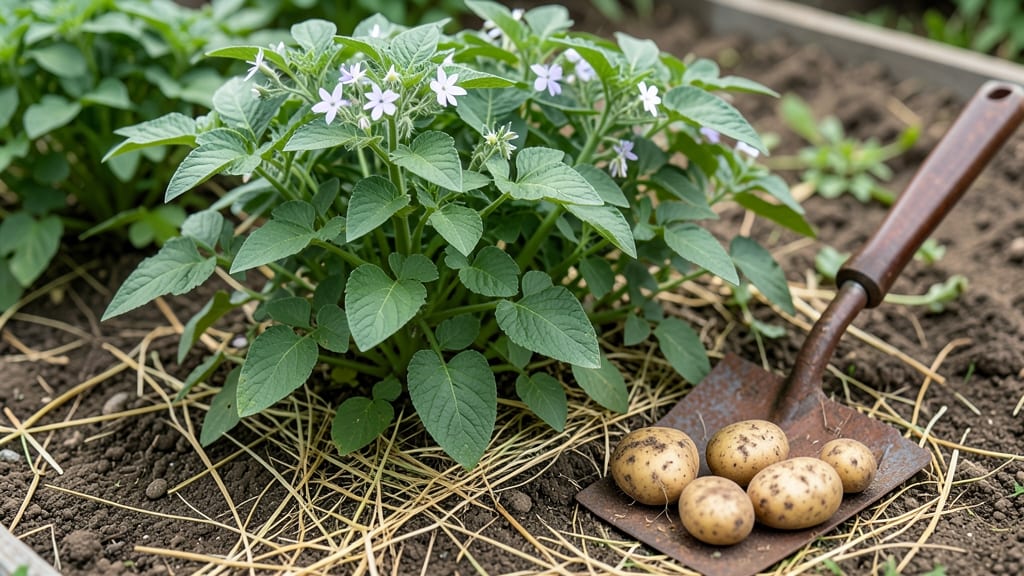
If you've ever wondered "when can I plant potatoes in Zone 6b", timing is the secret weapon between a thriving harvest and wasted effort. The right window means the difference between tender, abundant 🥔 tubers and stunted, frost-nipped failures.
In Zone 6b, where last frosts typically arrive around April 15, you've got a narrow but critical planting window that starts as early as late February under frost protection. Plant too soon and risk cold soil stunting growth; too late and your harvest shrinks before summer's end.
I'll show you exactly how to calculate your perfect planting dates—including when to chit your seed potatoes for a head start—and which varieties thrive in this climate. Whether you're a first-time gardener or a seasoned grower, these insights will help you avoid common mistakes and maximize your yield.
Ready to dig in? Let's break down the science of soil temperature, frost-free timelines, and variety-specific strategies that actually work for Zone 6b gardens.
Zone 6B potato planting calendar: exact weeks before last frost
In Zone 6B, where the average last frost date falls around April 15, timing your potato planting is critical. The ideal window is 4-6 weeks before last frost, typically between mid-March and early April.
This gives tubers enough time to establish roots before soil warms, while avoiding frost damage to emerging sprouts. For early varieties, you can even plant as early as late February under frost protection.
Potatoes thrive when soil temperatures reach 45°F (7°C), which usually occurs in Zone 6B by early April. Planting too early risks frost damage to tender shoots, while waiting too long may reduce your harvest window.
The frost-free season in Zone 6B spans about 165 days, giving you ample time for a full potato cycle if you choose the right varieties.
Here’s a breakdown of your Zone 6B potato planting timeline based on last frost dates and variety maturity:
| Planting Window | Weeks Before Last Frost | Soil Temperature | Best Varieties | Notes |
|---|---|---|---|---|
| Early Planting | 6 weeks before last frost | 40-45°F (4-7°C) | Yukon Gold, Red Pontiac | Use frost blankets for protection |
| Standard Planting | 4-5 weeks before last frost | 45-50°F (7-10°C) | Kennebec, Fingerling | Optimal for most varieties |
| Late Planting | 2-3 weeks before last frost | 50-55°F (10-13°C) | Early Girl, Irish Cobbler | Risk of blight; harvest early |
| Second Crop | After last frost (June) | 55-60°F (13-16°C) | Red Norland, Purple Viking | Plant in partial shade to avoid blight |
For Zone 6B gardeners, I recommend starting with early-maturing varieties (70-90 days) to ensure a full harvest before the first frost in mid-October. If you’re planting late varieties (90-120 days), consider using row covers to extend the season and protect against early autumn chills.
One of my favorite tricks is chitting potatoes—placing seed potatoes in a bright, cool spot (around 50°F or 10°C) for 4-6 weeks before planting.
This encourages stronger sprouts and faster germination, giving your potatoes a head start once soil warms. Just avoid letting them green, which indicates toxin buildup.
If you’re unsure about your exact last frost date, check your local USDA Plant Hardiness Zone Map or use a frost calendar from your county extension office.
Many Zone 6B areas experience microclimates, so adjust your schedule if your garden sits in a frost pocket or near a heat-retentive surface like a brick wall.
For container growing, plant potatoes in 5-gallon pots filled with loose, well-draining soil. Containers warm up faster than ground soil, so you can plant 1-2 weeks earlier than in the garden. Just ensure pots have drainage holes to prevent waterlogging, which can rot tubers.
Remember, potatoes need 6-8 hours of sunlight daily and consistent moisture (1-1.5 inches per week). Mulch with straw to retain moisture and suppress weeds, and avoid overhead watering to prevent disease spread.
With the right timing, your Zone 6B potato patch can yield 5-10 pounds per plant—worth the effort!
How to adjust planting for early vs. late potato varieties in Zone 6B
Not all potatoes are created equal in Zone 6B, and choosing the right variety can mean the difference between a bountiful harvest and a disappointing yield.
Early varieties like Red Pontiac mature in just 70-80 days, while late varieties like Yukon Gold need 100-120 days to reach full potential. Your planting window must align with these timelines to avoid blight risks and optimize tuber formation.
For early varieties, plant 4-6 weeks before last frost (around mid-February to early March in Zone 6B). These fast growers thrive when planted early, allowing them to mature before summer heat stresses the plants.
Late varieties, however, need a later start—aim for late March to early April—to ensure they don’t outgrow their season.
Here’s the key: Soil temperature matters more than calendar dates. Early potatoes can handle cooler soils (45°F), while late varieties need 50°F+ to sprout consistently. If your soil is still cold, use black plastic mulch or a cold frame to warm it up faster.
Zone 6B Potato Variety Guide
| Variety | Days to Maturity | Best Planting Window | Notes |
|---|---|---|---|
| Red Pontiac | 70-80 | Mid-February to early March | Early, disease-resistant; great for second crops |
| Yukon Gold | 100-120 | Late March to early April | Late, high yield; needs warm soil |
| Kennebec | 85-95 | Early to mid-March | Mid-season; stores well for winter |
🌱 Pro Tip: Chit your seed potatoes 4-6 weeks before planting to jumpstart growth.
For a second crop in Zone 6B, plant late varieties in early June after harvesting your first batch. This works because late potatoes mature just in time for fall harvests before frost sets in.
Just be sure to use disease-resistant varieties like Red LaSoda to avoid blight in humid summer conditions.
One critical mistake to avoid? Planting late varieties too early. Cold soil slows germination, and warm spring weather can lead to blight before tubers mature. Always check your soil temperature—if it’s below 50°F, wait a few more weeks.
Finally, rotate your planting spots yearly to prevent soil-borne diseases. Potatoes are heavy feeders, so amend your soil with compost or well-rotted manure before planting. With the right variety and timing, you’ll enjoy homegrown potatoes from spring through fall!