
Companion Plants
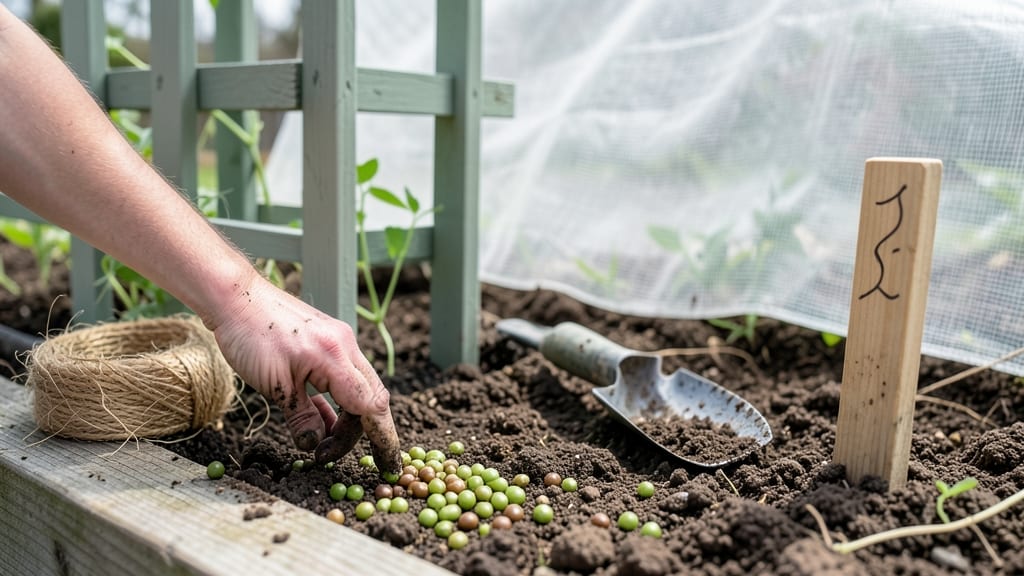
Timing your pea planting in Zone 5 could mean the difference between a thriving harvest and wasted seeds. These cool-season crops are eager to grow as soon as the soil warms slightly—usually 4-6 weeks before your last frost date, which for most of Zone 5 lands in early April.
But here’s the catch: planting too early risks frost damage, while waiting too long lets summer heat stress your delicate 🌱 plants.
I’ll break down the exact windows for both spring and fall plantings, plus how to adjust for your specific microclimate—because even within Zone 5, your local frost patterns might differ.
You’ll also discover the best pea varieties for your short growing season, how deep to plant those tiny seeds, and when to add trellises for maximum yield. Let’s make sure your peas get the strong start they deserve.
Whether you’re a first-time gardener or a seasoned grower, these insights will help you avoid common mistakes and enjoy fresh peas straight from your garden. Ready to get started?
Pea planting timeline in Zone 5: exact weeks before last frost
Peas are one of the first cool-season crops you can grow in Zone 5, but planting them too early or late can ruin your harvest. The key is timing them 4-6 weeks before your last frost date—when soil temperatures hit 40°F (4°C) and stay consistent.
In most of Zone 5, this window opens in early March to mid-April, but exact timing varies by subzone (5a vs. 5b).
For a fall harvest, you can also plant peas 8-10 weeks before your first frost, typically in late August to early September. This second planting lets you enjoy fresh peas well into October or November, just before winter sets in.
Let’s break down the exact weeks and soil conditions you need to nail your timing.
⚠️ Important: Peas hate heat—they bolt (flower prematurely) when temperatures rise above 75°F (24°C). Planting too late in spring can mean bitter, stringy peas or no harvest at all. Here’s your foolproof timeline:
🌱 Pea Planting Timeline in Zone 5
| Stage | Action | Soil Temp | Days to Harvest |
|---|---|---|---|
| Spring Planting | Sow seeds 4-6 weeks before last frost | 40°F (4°C)+ | 60-70 days |
| Ideal Window | Early March to mid-April (Zone 5a/b) | 45-55°F (7-13°C) | 60 days |
| Fall Planting | Sow seeds 8-10 weeks before first frost | 50°F (10°C)+ | 55-65 days |
| Ideal Window | Late August to early September | 55-65°F (13-18°C) | 60 days |
| Avoid Planting | After May 15 (spring) or before July 15 (fall) | Above 75°F (24°C) | N/A |
🌡️ Pro Tip: Use a soil thermometer to confirm temps before planting—cold soil delays germination.
To find your exact last frost date, check the USDA Plant Hardiness Zone Map for your specific location. For example, in Zone 5a (colder), aim for late March to early April, while Zone 5b (warmer) can start as early as mid-March.
If you’re unsure, err on the earlier side—peas can handle light frost but won’t germinate in freezing soil.
Another trick is to plant a test row 2 weeks before your target date. If those peas sprout and grow, your soil is ready for the full planting.
This method works especially well for sugar snap peas or snow peas, which are more sensitive to heat than shelling peas.
Don’t forget to harden off seedlings if you’re starting indoors. Move trays outside for 1-2 hours daily starting 3 weeks before transplanting to help them adjust to Zone 5’s unpredictable spring weather. A sudden cold snap can shock tender young plants and set back your harvest by weeks.
For fall planting, focus on varieties with shorter maturity times (55-60 days), like ‘Oregon Sugar Pod’ or ‘Little Marvel’. These types mature before the first frost, giving you a second harvest just in time for holiday meals.
Just be sure to mulch heavily in late September to protect roots from early cold snaps.
Finally, keep an eye on your daylight hours. Peas need 12-14 hours of daylight to thrive, which is why spring planting works better than summer planting.
If you’re in a northern part of Zone 5, like Michigan or upstate New York, you might need to start seeds indoors and transplant after the last frost to meet this requirement.
With this timeline, you’ll avoid the two biggest mistakes Zone 5 gardeners make: planting too early (when soil is still cold) or too late (when heat stress sets in). Stick to these windows, and you’ll enjoy sweet, tender peas from spring through fall—no wasted seeds in sight! 🌱
3 Critical factors that determine your pea planting success in Zone 5
Peas thrive in cool temperatures but bolt quickly when soil warms above 75°F (24°C). In Zone 5, this means your planting window hinges on three key factors: soil temperature, daylight hours, and frost risk.
Ignore any one of these, and your peas might struggle—or worse, fail entirely.
First, soil temperature is your most critical indicator. Peas germinate best when soil reaches 40-50°F (4-10°C). Use a soil thermometer to check—if it’s colder, wait. If it’s warmer, you’ve missed the window. I’ve planted too early before, only to watch my seeds rot in cold, wet soil.
Next, daylight hours play a surprising role. Peas need 12-14 hours of daylight to flower and set pods. In Zone 5, this means spring plantings benefit from increasing daylight, while fall plantings must happen 6-8 weeks before your first frost to mature before daylight shortens too much.
Finally, frost risk can’t be overstated. Peas tolerate light frosts (28°F/-2°C) but die in hard freezes. If your last frost date is April 15, plant 4-6 weeks before—around early March—to ensure they’re established before cold snaps return.
| Factor | Ideal Range | Zone 5 Adjustments |
|---|---|---|
| Soil Temperature | 40-50°F (4-10°C) | Wait until soil warms to 45°F (7°C) for reliable germination. |
| Daylight Hours | 12-14 hours | Spring: Plant after March equinox. Fall: Plant by August 15. |
| Frost Risk | Tolerates 28°F (-2°C) | Use row covers if late frosts threaten after planting. |
To adjust for early/late frosts, I recommend staggered plantings. Sow half your seeds 2 weeks before your ideal date and the other half 2 weeks after.
This spreads your harvest and reduces risk. For example, if your last frost is April 15, plant March 1 and March 25 for a continuous supply.
Pro tip: Check your local microclimate. Low-lying areas frost later than hills, and urban zones often warm faster. I once had my valley garden frost out while my hillside peas thrived—same zone, different conditions!
By mastering these three factors, you’ll avoid the most common pea-planting mistakes and enjoy a bountiful harvest before summer heat sets in. Next, we’ll dive into the best pea varieties for Zone 5’s short season—stay tuned!