
Planting
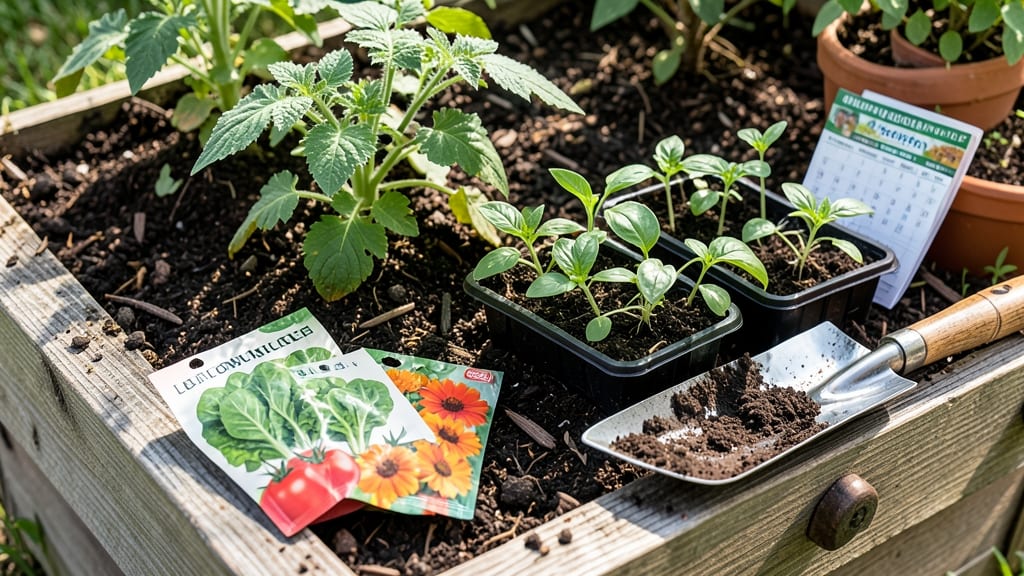
Timing your garden planting in Michigan can feel like guessing—one week too early, and frost zaps your seedlings. The key to a thriving garden starts with knowing your 2024 last-frost dates by zone, so you can plant with confidence and avoid costly mistakes.
Michigan’s climate varies wildly from the Upper Peninsula’s chilly USDA Zone 4a to Detroit’s milder Zone 6b, meaning your neighbors might be planting tomatoes while you’re still waiting for soil to warm.
I’ll break down the exact windows for cool-season crops like spinach and warm-season favorites like peppers, so you can sync your schedule with Mother Nature.
Whether you’re a first-time gardener or a seasoned pro, getting the timing right means more harvests and fewer disappointments. Let’s dive into the science behind frost dates and how to adjust for Michigan’s unpredictable spring—so you can finally stop guessing and start growing.
You’ll also discover how to extend your season with row covers, spot microclimates in your yard, and avoid the top 3 planting mistakes that trip up even experienced gardeners. Ready to turn your garden dreams into reality? Let’s get started.
Michigan last-frost dates 2024: planting timeline by USDA Zone
Michigan spans USDA Zones 4a through 6b, meaning your last-frost date can vary by 2-3 weeks depending on where you live.
For 2024, most of southern Michigan (Zones 5b-6b) averages a last frost between April 15-May 1, while northern areas (Zones 4a-5a) typically see frost until May 15-June 1. These dates are critical for warm-season crops like tomatoes and peppers.
Cool-season crops like spinach, peas, and lettuce can handle light frosts and often go in as early as March 15-April 1 in most zones. The key is knowing your historical frost patterns—some years, like 2023, saw late frosts in early June, while others break early in March.
Always have row covers ready for unexpected cold snaps!
Here’s how to use these dates: Warm-season plants (tomatoes, peppers, cucumbers) need to wait until after your last frost and when soil temps hit 60°F+. Cool-season crops (broccoli, kale, carrots) can go in 4-6 weeks before your last frost. Use the table below to find your zone’s specifics.
| Zone | Avg. Last Frost | Frost-Free Window | Warm-Season Start | Cool-Season End |
|---|---|---|---|---|
| 4a (UP, Northern MI) | May 15–June 1 | 120–140 days | June 1–15 | Sept 1–15 |
| 5a (Traverse City, Grand Rapids) | May 1–15 | 140–160 days | May 20–June 1 | Sept 15–30 |
| 5b (Lansing, Kalamazoo) | April 25–May 10 | 160–180 days | May 10–20 | Oct 1–15 |
| 6a (Detroit, Ann Arbor) | April 15–25 | 180–200 days | May 1–10 | Oct 15–30 |
| 6b (Southwest MI, near Lake Erie) | April 1–15 | 200+ days | April 25–May 1 | Nov 1 |
If you’re in Zone 6b (southern Michigan), you can start warm-season crops like tomatoes and peppers as early as April 25 under row covers or in a greenhouse. For Zone 4a (Upper Peninsula), wait until June 1 to avoid frost damage.
Pro tip: Use a soil thermometer—warm-season plants need soil temps of 60°F+ for 2 weeks before planting.
For perennials and shrubs, plant in early spring (April) or fall (October) when the ground isn’t frozen. Bulbs like tulips should go in October-November for spring blooms. Always check your local microclimate—areas near Lake Michigan or rivers may have later frosts due to water’s heat-retaining properties.
To track your local frost dates, use the Michigan State University Extension’s frost calendar or a frost-free date calculator. Historical data shows that late
How to use frost dates to plan your Michigan garden calendar
Timing your Michigan garden isn’t just about memorizing frost dates—it’s about calculating safe planting windows for each crop. Start by marking your average last frost date (usually May 10-20 in southern Michigan, June 1-15 in the north).
For warm-season crops like tomatoes and peppers, wait until 2 weeks after your last frost to ensure soil stays warm enough.
For cool-season crops (spinach, peas, lettuce), you can plant 4-6 weeks before your last frost—some varieties even handle light frost! Use a soil thermometer to confirm warmth: most seeds need 50°F+ soil for germination.
In USDA Zone 4b (Upper Peninsula), aim for late May for warm crops, while Zone 6a (Detroit area) can start in early May.
🌱Pro Tip: Adjust for microclimates! South-facing slopes warm faster, while low spots stay colder. Urban gardens in concrete-heavy areas may need row covers to protect seedlings.
Extend your season with row covers or cold frames to plant 2-4 weeks earlier for frost-sensitive crops. In northern Michigan, use black plastic mulch to warm soil faster—this can shave 10-14 days off your planting schedule. Always check 7-day forecasts before transplanting seedlings outdoors.
Succession planting is key! For bush beans or lettuce, sow seeds every 2 weeks from May to July. This ensures a continuous harvest instead of one big yield.
Mark your calendar with these key dates: May 15 (cool crops), June 1 (warm crops), and July 15 (late succession plantings).
🌿Remember: Michigan’s weather is fickle. If a late frost hits (like the May 2020 freeze), protect young plants with frost cloths or move pots indoors temporarily. Patience pays off—rushing leads to wilted seedlings and wasted effort.