
Companion Plants
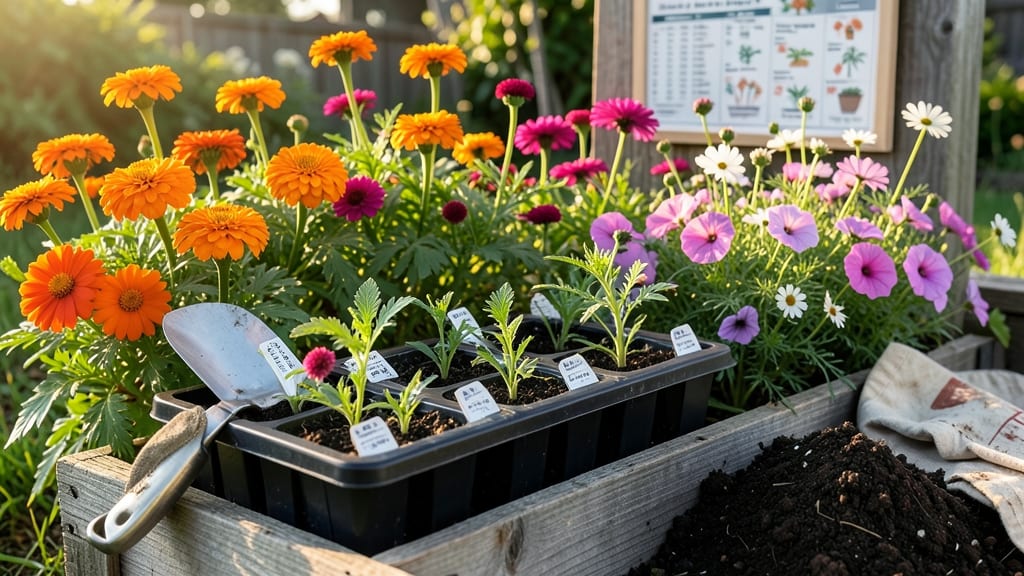
If you’ve ever stared at seed packets in early spring wondering when can I plant annuals in Zone 6 without risking frost damage, you’re not alone.
The wrong timing can mean the difference between a vibrant garden bursting with 🌸 blooms and wilted seedlings that never make it past the first frost.
Zone 6’s unpredictable weather—where last frosts can linger until mid-May—makes planting annuals a balancing act. But here’s the good news: with the right strategy, you can stretch your growing season from spring to fall, even in this transitional climate.
Whether you’re dreaming of sunflowers towering over your patio or zesty basil for summer salads, knowing the exact windows for planting makes all the difference.
In this guide, I’ll break down the frost-free timeline for Zone 6, so you can plant with confidence. We’ll cover everything from frost-tender petunias to heat-loving zinnias, plus how to use row covers and succession planting to squeeze every drop of growing season from your garden.
No more guessing—just a clear roadmap to a garden that thrives all year.
Ready to turn your garden into a year-round showstopper? Let’s dive into the perfect planting schedule for your Zone 6 annuals, so you can enjoy blooms, harvests, and greenery without the stress of timing mistakes.
Zone 6 frost dates and ideal planting windows by last frost timing
In Zone 6, the last frost date typically falls between April 15 and May 15, but this can shift 1-2 weeks earlier or later depending on your exact location and microclimate.
For example, colder pockets like northern Indiana or upstate New York may see frost linger until early May, while warmer areas like parts of Virginia or Missouri could be frost-free by mid-April.
Your first frost usually arrives around October 15, though early frosts in Zone 6a (colder sub-zone) might occur as early as mid-October. Understanding these dates helps you plan for cool-season annuals like pansies and warm-season favorites like tomatoes.
The key is matching your planting window to the plant’s frost tolerance and growth speed.
Here’s how to use frost dates to time your plantings: Cool-season annuals (e.g., lettuce, snapdragons) can often handle light frosts, so you can plant them 4-6 weeks before your last frost. Warm-season annuals (e.g., marigolds, basil), however, need soil temperatures above 60°F and no frost risk, so wait until 2 weeks after your last frost for safety.
For Zone 6 gardeners, this means: - Early April: Start cool-season annuals like spinach or calendula indoors or under row covers. - Mid-April to May 15: Plant frost-hardy annuals (e.g., pansies, sweet peas) outdoors. - After May 15: Transition to warm-season annuals like tomatoes, petunias, and zinnias.
Microclimates can shift these timelines. For instance, south-facing beds warm up faster, allowing earlier plantings, while low-lying areas may hold frost longer. Use a frost calendar from your local Cooperative Extension service for precise guidance.
Pro tip: If you’re unsure about frost dates, use biodegradable row covers to protect tender plants. They extend your planting window by 2-4 weeks in both spring and fall.
| Planting Window | Plant Type | Ideal Planting Month(s) | Notes |
|---|---|---|---|
| Early Spring (Cool-Season) | Pansies, Lettuce, Snapdragons | March–April (4–6 weeks before last frost) | Tolerate light frost; plant outdoors. |
| Late Spring (Warm-Season) | Tomatoes, Petunias, Marigolds | May–June (after last frost, soil ≥60°F) | Need warm soil; use row covers if needed. |
| Summer (Heat-Tolerant) | Zinnias, Cosmos, Basil | June–July (peak heat) | Thrive in full sun; water deeply. |
| Fall (Cool-Season) | Kale, Calendula, Aster | August–September (4–6 weeks before first frost) | Harvest before hard frost; extend with row covers. |
Succession planting is another Zone 6 game-changer. For example, sow bush beans every 2 weeks from May through July to ensure a steady harvest. Similarly, radishes mature in just 30 days, making them perfect for quick succession plantings in early spring or late summer.
If you’re new to Zone 6 gardening, start with frost-tolerant annuals like marigolds or pansies—they’re forgiving and signal when it’s safe to plant heat-lovers. For warm-season veggies, wait until mid-May at the latest to avoid late-spring frosts, which can devastate young seedlings.
Remember: Soil temperature matters more than air temperature. Use a soil thermometer to confirm it’s at least 60°F before planting warm-season annuals. If it’s cooler, wait or use black plastic mulch to warm the soil faster.
For a foolproof schedule, mark your calendar: - April 15: Last frost date (adjust ±2 weeks). - May 1: Safe for warm-season annuals in most of Zone 6. - August 15: Start fall plantings for a late-season harvest. - September 15: Final succession planting for fast growers like lettuce.
Zone 6’s 165 frost-free days are packed with potential—plan your annuals to make the most of them! 🌱
Best annuals to plant in Zone 6 by seasonal heat tolerance
Not all annuals thrive in Zone 6’s unpredictable spring frosts or summer heat waves. To keep your garden vibrant year-round, I’ve categorized the best annuals by their heat tolerance levels—cool-loving, moderate, and heat-tolerant—so you can plant them at the perfect time for maximum blooms and harvests.
For cool-season annuals, like pansies and lettuce, aim for early spring (March–April) or late summer (August–September) when temperatures dip. These varieties can handle light frosts and even thrive in cooler weather, making them ideal for extending your growing season.
In contrast, heat-tolerant annuals, such as zinnias and sunflowers, should wait until after your last frost date (typically mid-May in Zone 6) and can handle 90°F+ temperatures without wilting. Planting them too early risks stunted growth or bolting.
🌡️ Zone 6 Annuals by Heat Tolerance & Planting Window
Plant: March–April or August–Sept
Plant: April–May or July–Aug
Plant: May–June or July–Aug
For fast-growing annuals like radishes or bush beans, you can even try succession planting every 2–3 weeks after your last frost to ensure a steady harvest. These varieties mature quickly (30–60 days), so they’re perfect for filling gaps in your garden.
If you’re aiming for long-blooming annuals, like marigolds or nasturtiums, plant them in early summer (June) for continuous color until the first frost. These plants are drought-tolerant once established, making them low-maintenance choices for busy gardeners.
Pro tip: Pair cool-season annuals with warm-season crops in companion planting beds. For example, plant basil near tomatoes to deter pests, or tuck nasturtiums around cabbage to repel aphids. This not only extends your harvests but also keeps your garden thriving all season long.