
Companion Plants
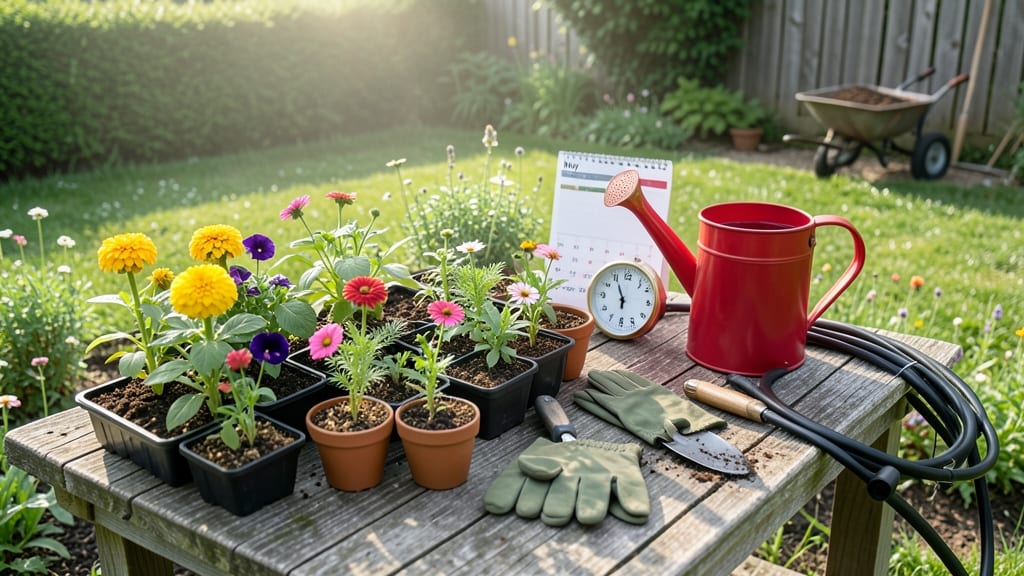
If you're asking "when can I plant annuals in Zone 7", timing is the difference between a vibrant garden and a sad, wilted mess.
Zone 7's mild winters and hot summers create a unique window where annuals can thrive—but get it wrong, and you'll either lose plants to frost or miss peak blooms.
Most gardeners in Zone 7 know the general rule: wait until after the last frost, but that's not the whole story.
Cool-season annuals like pansies can handle light frosts and should go in as early as March, while heat-lovers like marigolds won't tolerate cold and need to wait until May or June. The key is understanding your microclimate and soil temperature.
In this guide, I'll break down the exact planting windows for every type of annual in Zone 7—from frost-tolerant flowers to sun-loving vegetables. You'll learn how to adjust for urban heat islands, protected spots, and even use row covers to extend your growing season by weeks.
Whether you're a beginner or a seasoned gardener, these insights will help you maximize your annuals' potential. Let's get your garden blooming and growing on the right schedule!
Zone 7 annual planting calendar: exact dates by last frost date
In Zone 7, the last frost date typically falls between March 15 and April 15, but this can vary by microclimate. For cool-season annuals, you can start planting 4-6 weeks before your average last frost date.
Meanwhile, warm-season annuals should wait until 2 weeks after the last frost or when soil temperatures reach 60°F+.
Understanding these key dates ensures your annual flowers and vegetables get a strong start. Miss the window, and you risk stunted growth or frost damage. But with the right timing, you’ll enjoy vibrant blooms and bountiful harvests all season.
Here’s a quick reference for Zone 7 planting windows based on frost-free dates and plant types:
| Planting Window | Cool-Season Annuals | Warm-Season Annuals | Heat-Tolerant Annuals |
|---|---|---|---|
| Early Planting (Before Last Frost) | Pansies, Snapdragons, Lettuce, Spinach | N/A (Risk of frost) | N/A |
| Last Frost to Early May | Peas, Radishes, Kale, Broccoli | Tomatoes (start indoors), Peppers (indoors) | Marigolds, Zinnias, Sunflowers |
| After Last Frost (May 1-June 1) | Late Spinach, Swiss Chard | Cucumbers, Basil, Eggplant | Cosmos, Lantana, Portulaca |
| Late Planting (June 15+) | N/A (Bolting risk) | Sweet Potatoes, Okra | Vinca, Celosia, Ageratum |
*Adjust dates based on your specific last frost date and microclimate.
Cool-season annuals like pansies and lettuce thrive in cooler temperatures and can even handle light frosts. Plant these 4-6 weeks before your last frost date for early blooms or harvests.
Meanwhile, tomatoes and peppers need warmer soil, so wait until after the last frost or start them indoors 8-10 weeks before transplanting.
For heat-tolerant annuals like zinnias and marigolds, you can plant as late as May 15-June 1 in Zone 7. These varieties handle the heat and even bloom better in warmer temperatures.
If you’re unsure about your last frost date, check your local Cooperative Extension Service or use a frost calendar for your specific area.
Pro tip: Use row covers or cold frames to extend your early planting window by 2-4 weeks, especially for heat-loving plants like tomatoes. This protects young seedlings from unexpected late frosts while giving them a head start.
If you’re planting annual vegetables, succession planting is key. For example, sow radishes every 2 weeks from March to June for continuous harvests. Similarly, bush beans can be planted in two batches: one in early May and another in late June to avoid overlapping harvests.
Remember, soil temperature matters just as much as air temperature. Use a soil thermometer to ensure it’s at least 60°F for warm-season plants. If it’s cooler, wait a few more days or use black plastic mulch to warm the soil faster.
By following this Zone 7 planting calendar, you’ll maximize your garden’s potential and enjoy longer blooms and bigger harvests all season. Happy planting! 🌱
Best annuals for early vs. late planting in Zone 7 gardens
Zone 7 gardeners have two prime windows for planting annuals: early spring and late summer/fall. The key is matching varieties to your climate timing.
Cool-season annuals like pansies and snapdragons thrive when planted 4-6 weeks before your last frost date (typically March 15-April 15), while heat-lovers like zinnias and marigolds wait until after your last frost (usually May 1-June 1).
For continuous blooms, I use succession planting—staggering seeds every 2-3 weeks. For example, plant cosmos in early May, then again in late June for a second flush of color. This simple trick extends your garden's life by 3-4 months without extra work.
🌱 Pro Tip: Always check seed packets for days to maturity. If your zone's growing season is 180 days (typical for Zone 7), plant fast growers like basil (60 days) in late spring and slower varieties like sunflowers (120 days) in early summer.
- Pansies – Tolerates light frost (28°F), blooms all spring
- Sweet Alyssum – Thrives in cool soil, attracts pollinators
- Snapdragons – Needs 6-8 hours sun, great for containers
- Calendula – Edible petals, disease-resistant
- Lobelia – Perfect for shady borders, blooms until frost
- Zinnias – Heat-tolerant, attracts butterflies, quick blooms
- Marigolds – Repels pests, full sun lover, long-lasting
- Sunflowers – Needs deep soil, great for cutting flowers
- Cosmos – Drought-resistant, self-seeds easily
- Portulaca – Thrives in poor soil, succulent-like leaves
Don't overlook fall planting! Many annuals like cosmos and cleome self-seed and resprout in spring. I let them stay over winter in protected spots—they often bloom earlier than spring-planted seeds. For a winter display, try pansies or stock planted in September.
💡 Zone 7 Hack: Use row covers to plant warm-season annuals like tomatoes or peppers 2-3 weeks earlier. They trap heat and protect from late frosts. Just remove covers when plants outgrow them (usually by late April).
Finally, always test your soil temperature before planting. Most annuals need soil at 60°F+ to germinate well. A simple soil thermometer ($10 at garden centers) saves you from wasted seeds. Happy planting!