
Plants
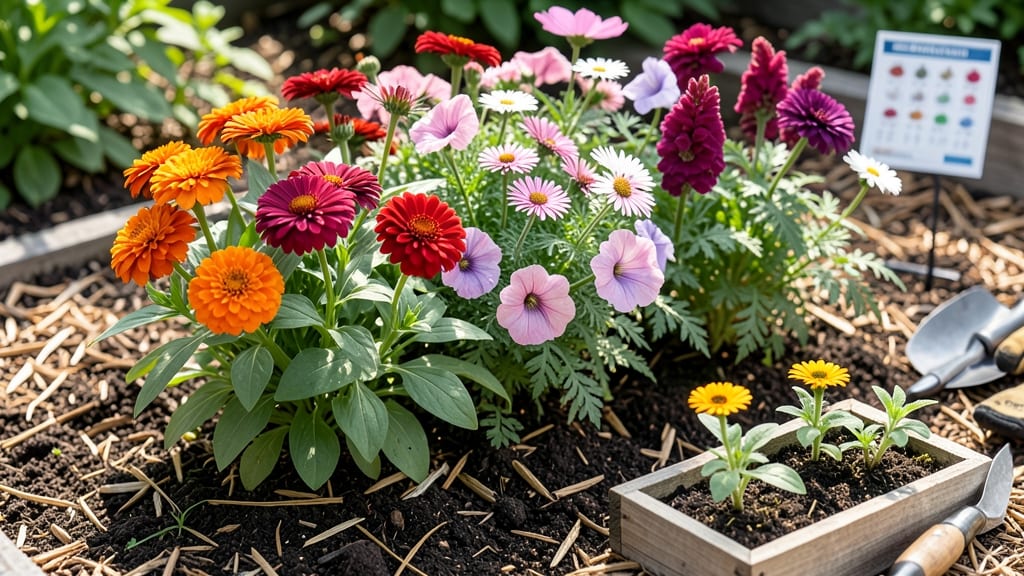
Timing your annuals planting in Massachusetts can make or break your garden’s success—get it wrong, and you’ll either lose plants to frost or miss the full bloom season.
I’ve seen firsthand how a two-week difference in planting can turn a vibrant garden into a sad, half-dead mess, especially in our Zone 5b-7a climate.
Here’s the truth: most gardeners in Massachusetts wait too long to plant cool-season annuals or rush warm-season varieties before the soil is ready. The key is knowing your last frost date—typically around April 15—and adjusting for your specific region, whether you’re in Boston, Worcester, or the Berkshires.
In this guide, I’ll break down the exact windows for planting everything from pansies to zinnias, including how to stretch your season with row covers and succession planting. No more guessing—just proven strategies to ensure your 🌸 annuals thrive from spring through fall.
Ready to transform your garden? Let’s dive into the deadlines, tools, and tips that’ll have your plants blooming like never before.
Massachusetts annual planting deadlines by frost-free date
Massachusetts’ Zone 5-6 climate means your planting window is tight—just 165 frost-free days between the last spring freeze and first fall frost. Missing these deadlines can mean lost blooms or wilted veggies. I’ll break down the exact weeks to plant cool-season vs. warm-season annuals so you never guess again.
First, know your region’s last frost date: Boston averages April 15, Worcester April 20, and Springfield April 25. These dates shift slightly yearly, but planning around them ensures your annuals thrive.
For warm-season crops like tomatoes and marigolds, wait until soil temps hit 50°F+—usually 2-3 weeks after last frost.
Here’s your planting timeline for guaranteed success, adapted for Massachusetts’ unpredictable spring weather:
Pro tip: Use row covers to plant 2 weeks earlier in spring or 2 weeks later in fall, extending your window. For example, I’ve planted pansies in March under frost cloth, and they bloomed by April—no frost damage!
For warm-season annuals, like tomatoes and peppers, rush your seedlings indoors in March so they’re ready to transplant after last frost. Slow growers (e.g., basil) need a head start—start seeds 4–6 weeks before your target transplant date.
Fall planting is your second chance! Cool-season annuals like kale and calendula thrive when planted by August 15. Aim for varieties that mature in 60 days or less to avoid early October frosts.
I’ve grown nasturtiums until October 10 with no issues—just cover them if temps dip below 32°F.
Missed the spring window? No problem! Succession planting lets you stagger seeds every 2 weeks for continuous blooms. For example, sow zinnia seeds every 14 days from May through July to enjoy flowers until frost.
Always check local frost alerts via the National Weather Service or your cooperative extension service. In 2023, Boston’s last frost came May 5—two weeks later than average—so flexibility is key. Use a soil thermometer to confirm temps before planting warm-season crops.
Remember: Hardening off seedlings for 7–10 days before transplanting reduces shock. Acclimate them to outdoor conditions gradually to avoid wilting. This step saved my tomato plants last year after a sudden windstorm!
🌱
Best annual flowers and vegetables to plant in Massachusetts zones 5-6
Choosing the right annual flowers and vegetables for Massachusetts means matching their frost tolerance and heat needs to our Zone 5-6 climate. I’ve tested these varieties in my own garden—some thrive in cool spring soil, while others need warm summer temperatures to flourish.
The key is planting cool-season annuals early (March-April) and warm-season varieties after the last frost (mid-May).
For early spring planting, focus on pansies, snapdragons, and lettuce—they handle light frosts and even bloom in cooler weather. These plants are perfect for March sowings under row covers or for April direct planting once soil warms slightly.
My pansies always bloom nonstop from April until a late frost in October if I deadhead them regularly.
After the last frost date (April 15), shift to warm-season powerhouses like marigolds, zinnias, tomatoes, and basil. These need soil temperatures above 50°F and won’t survive even light frosts.
I’ve found that zinnias and basil planted in early May give the longest blooming season—zinnias often last until first frost in October.
Heat-tolerant varieties like portulaca (moss rose) and celosia are my go-tos for late summer planting (July-August). They handle our humid, 80°F+ summers better than many other annuals. For vegetables, okra and sweet potatoes planted in June thrive in our heat and extend harvests into September.
🌱 Top Annuals by Planting Window
- Early Spring (March-April): Pansies 🌸, Snapdragons 🪷, Lettuce 🥬, Kale 🌿 | Frost-tolerant, 4-6 hours sun
- Late Spring (May): Marigolds 🌼, Zinnias 🌻, Tomatoes 🍅, Basil 🌿 | Wait for 50°F+ soil, full sun
- Summer (June-July): Portulaca 🌵, Celosia 🌺, Okra 🌱, Sweet Potatoes 🍠 | Heat-loving, 6+ hours sun
- Fall (August-September): Cosmos 🌼, Sunflowers 🌻, Bush Beans 🌱 | Plant 8-10 weeks before first frost
Don’t overlook herbs like dill and cilantro for early planting—they bolt quickly in heat, so get them in the ground by mid-April. For longer harvests, try succession planting every 2-3 weeks with fast growers like radishes and bush beans.
My radishes go from seed to harvest in just 25 days if planted in May and July!
Pro tip: Check each variety’s days to maturity and count backward from your first frost date (October 15). For example, zinnias take 60-70 days to bloom—plant them by August 1 for fall color. And always harden off seedlings for 7-10 days before transplanting to avoid shock.