
Companion Plants
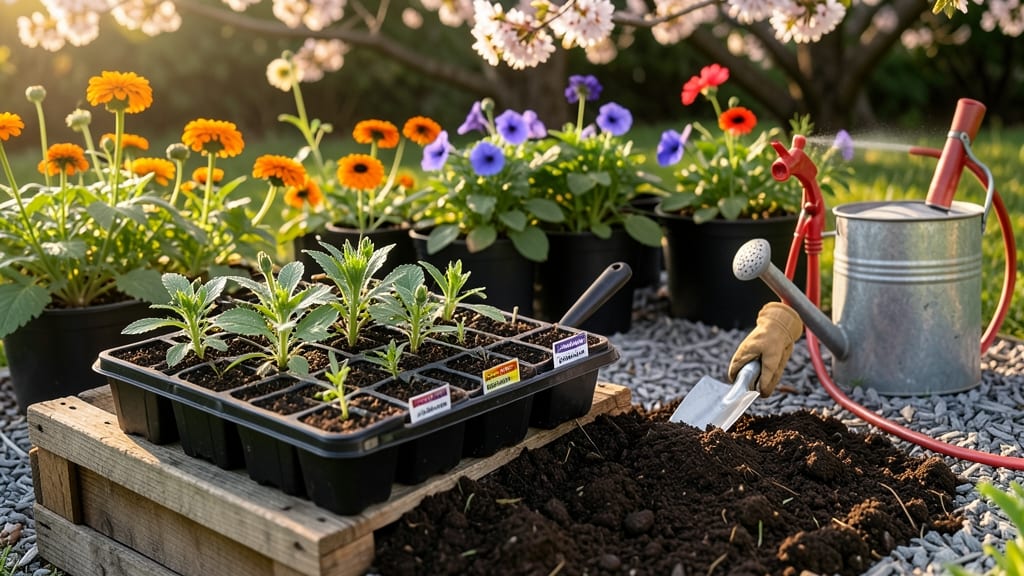
If you're a Zone 5 gardener, when can I plant annuals in zone 5 is the question that could make or break your summer garden.
The perfect planting window isn't just about avoiding the last frost—it's about matching each plant's needs to your local microclimate for the most stunning blooms and bountiful harvests.
Let's face it: Zone 5's short growing season demands precision. Whether you're dreaming of marigolds brightening your borders or basil filling your kitchen with flavor, knowing exactly when to plant makes all the difference.
I'll walk you through the science behind frost dates, soil temperatures, and how to stretch your season with clever techniques.
You don't need to be a weather expert to get this right. We'll break down the ideal planting times for cool-season favorites like pansies and warm-season stars like zinnias, plus how to adjust for your specific corner of Zone 5—whether you're in Chicago's windy plains or Denver's high-altitude sunshine.
Ready to transform your garden into a year-round showstopper? Let's dive into the exact dates, varieties, and tricks that will have your annuals thriving from spring through fall—no guesswork required.
Zone 5 frost-free planting dates by last spring frost average
In Zone 5, your planting timeline hinges on last spring frost dates, which typically range from mid-April to early June depending on your exact location. Northern areas like Chicago often see frost until May 15, while southern regions like Denver may warm up by April 15.
These dates aren't set in stone—microclimates near lakes or hills can shift your window by 1-2 weeks.
For cool-season annuals like pansies or lettuce, you can start as early as March under row covers or in a cold frame. But most gardeners wait until 2-3 weeks after the last frost to plant warm-season favorites like tomatoes or marigolds.
This gives young plants time to establish roots before soil temperatures climb above 50°F.
🌱
Zone 5 Planting Windows by Annual Type
| Planting Window | Cool-Season Annuals | Warm-Season Annuals | Notes |
|---|---|---|---|
| Early Spring (March) | Pansies, Lettuce, Spinach | None (too cold) | Use row covers for protection |
| Late Spring (April-May) | Peas, Kale, Radishes | Basil, Marigolds, Zinnias | Wait until soil is 50°F+ |
| Early Summer (June) | None (heat-sensitive) | Tomatoes, Peppers, Sunflowers | Direct sow after last frost |
| Late Summer (August) | None (short season) | Cosmos, Nasturtiums | Fast-growing heat-tolerant picks |
To pinpoint your exact last frost date, check local weather records or use the USDA Plant Hardiness Zone Map. For example, Milwaukee averages May 5 for last frost, while Des Moines typically hits April 25.
If you're unsure, opt for heat-tolerant varieties like zinnias or cosmos, which can handle brief cold snaps.
For succession planting, aim to sow fast-growing annuals like radishes every 2 weeks from April through June. This ensures a continuous harvest while maximizing your short Zone 5 growing season. Always monitor soil temperature—warm-season plants like tomatoes need soil at least 60°F to thrive.
🌡️
Pro tip: Use a soil thermometer to confirm readiness. If your garden bed feels cool to the touch, wait a few more days. Container gardens warm up faster than in-ground soil, so they’re ideal for early planting in Zone 5.
Just be prepared to move pots indoors if unexpected frost threatens.
Don’t overlook late-summer planting either! While most annuals won’t survive Zone 5 winters, cosmos and nasturtiums can still bloom until first frost (typically October 15-November 1). These heat-loving annuals reward you with colorful displays even as temperatures drop.
🌻
Remember, Zone 5’s short season demands flexibility. If you miss the ideal planting window, don’t despair—succession planting and container gardening can stretch your season. For instance, basil can be started indoors in March and transplanted outdoors by May 1, giving you 3-4 months of harvests before frost.
Best annuals for early, mid, and late planting in Zone 5
Zone 5’s short growing season demands smart choices—planting the right annuals at the right time ensures vibrant blooms and bountiful harvests. Early spring cool-lovers like pansies and snapdragons thrive when soil temps hit 40°F+, while marigolds and zinnias wait for 60°F+ soil in late spring.
Let’s match your calendar to the perfect plants for each window.
🌱 Indoor Seed-Starting vs. Direct Sowing
Indoor Seed-Starting
- Pros: Earlier harvests, better control
- Cons: Requires space, transplant shock risk
Direct Sowing
- Pros: Hardier plants, no transplanting
- Cons: Slower growth, frost vulnerability
For early spring (March–April), prioritize cool-season annuals like lettuce, spinach, and sweet alyssum. These handle light frosts and even bloom in 50°F+ temps. Use row covers to shield tender seedlings from late frosts—just remove them when daytime temps hit 65°F+ to prevent overheating.
Mid-season (May–June) is prime time for warm-season powerhouses like marigolds, sunflowers, and basil. Wait until soil temps exceed 60°F and nighttime lows stay above 50°F. Succession planting every 2 weeks keeps your garden bursting with color—try cosmos and zinnias for long-lasting blooms.
Late-season (July–August) isn’t too late for heat-tolerant annuals like portulaca, celosia, and cosmos. These thrive in 90°F+ heat and even drought conditions. Plant after July 4th to avoid early fall frosts, and choose varieties with fast bloom times (30–45 days) for instant gratification.
Don’t overlook fall planting (September–October) for cool-season annuals like pansies and calendula. These handle light frosts and often rebloom in spring. Aim to plant 6–8 weeks before your first frost—check your local USDA frost map for exact dates.
🌿 Zone 5 Planting Calendar Cheat Sheet
Pro tip: Test soil temps with a soil thermometer—50°F+ for cool-season plants, 60°F+ for warm-season stars. Adjust your planting timeline by 1–2 weeks if your microclimate runs warmer (e.g., south-facing beds) or cooler (e.g., low-lying areas). Happy planting! 🌷