
How To
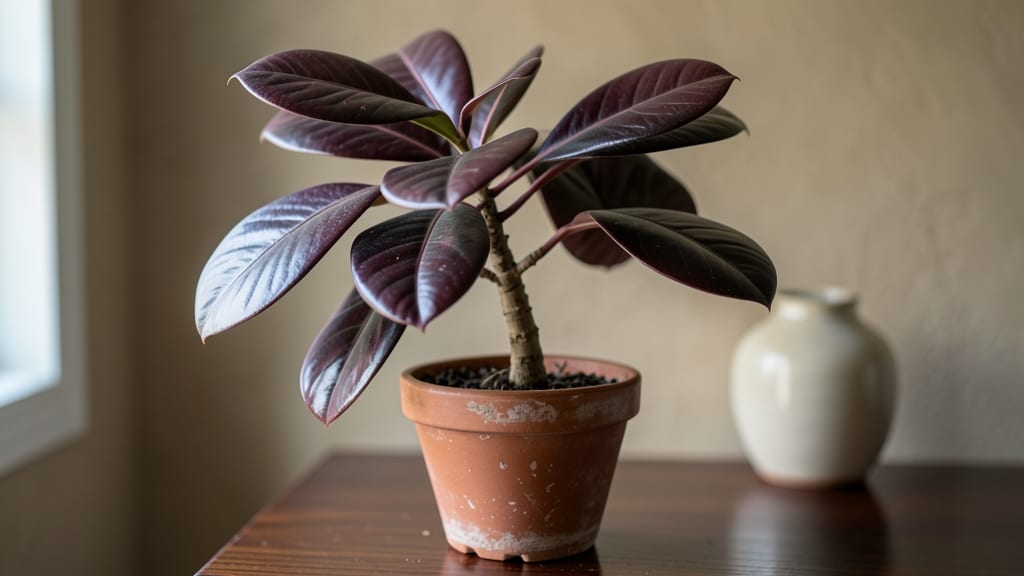
The rubber plant how much light it needs is the difference between a thriving, glossy-leaved beauty and a struggling, leggy shadow of its former self. If you've ever watched your 🌿 rubber plant stretch toward the window like a sunflower or develop brown, crispy tips, you're not alone—light is the silent hero (or villain) of rubber plant care.
Here's the truth: rubber plants love bright, indirect light but can't handle harsh direct sun. Think of it like a cozy reading nook—enough light to enjoy the book, but not so bright it gives you a headache.
Most rubber plants thrive with 4-6 hours of filtered sunlight daily, making east- or north-facing windows ideal spots in your home.
But what happens when seasons change or your living space shifts? Winter's dimmer days or a sudden move away from the window can leave your plant confused.
I'll show you how to spot the signs—like pale leaves or rapid growth—and adjust the light game plan without turning your home into a greenhouse.
Whether you're dealing with a sunburned rubber plant or one that's barely growing, this guide will help you strike the perfect balance. Let's make sure your rubber plant gets just the right amount of light to stay happy, healthy, and full of that signature shine.
Ideal light requirements for rubber plants: hours, intensity, and seasonal adjustments
Rubber plants (Ficus elastica) thrive in 4-6 hours of bright, indirect light daily, but they’re famously adaptable. Unlike sun-loving succulents, they can tolerate lower light conditions—though their growth slows dramatically. The key is mimicking their natural understory habitat, where dappled sunlight filters through tree canopies.
Too much direct sun? You’ll see brown leaf tips or crispy edges. Too little? Expect leggy, sparse growth as the plant stretches toward any available light source.
Think of your rubber plant’s light needs like a goldilocks scenario—not too harsh, not too dim, but just right. In indoor settings, this means positioning them 1-3 feet from a north- or east-facing window, where sunlight is gentler.
South-facing windows can work, but you’ll need to filter the light with sheer curtains or a light-colored sheer fabric to prevent scorching. Outdoor rubber plants (in warmer climates) do best in partial shade, especially during peak afternoon sun when UV rays are strongest.
Seasonal shifts matter too. During winter months, when natural light is weaker, your rubber plant may need supplemental grow lights (more on that later!).
In summer, you might notice faster growth—this is normal, but monitor for signs of stress like yellowing leaves or dropped foliage, which can signal too much heat or light exposure. Rotating your plant quarter-turns weekly ensures even growth and prevents it from leaning toward one light source.
Here’s the golden rule: Observe your plant’s leaves. Healthy rubber plants have deep green, glossy foliage with no yellowing or browning. If you see pale, yellow leaves, it’s crying out for more light. Brown, crispy edges?
It’s getting too much direct sun. The goal is to strike that balance where the leaves stay vibrant and firm without any distress signals.
Rubber Plant Light Requirements at a Glance
| Condition | Ideal Specification | Signs of Stress |
|---|---|---|
| Daily Light Hours | 4-6 hours (bright indirect) | Leggy growth, sparse leaves |
| Light Intensity | Medium to low (filtered sunlight) | Brown leaf tips, crispy edges |
| Best Window Placement | North or east-facing, 1-3 ft away | Stunted growth, pale leaves |
| Winter Adjustments | Supplement with grow lights (12-14 hrs/day) | Dropping leaves, weak stems |
| Summer Care | Filter direct sun with sheer curtains | Sunburnt patches, wilting |
Pro Tip: Use a light meter or observe your plant’s response to fine-tune conditions.
If you’re unsure whether your rubber plant is getting enough light, try the "shadow test"—hold your hand near the plant. If you can’t see your shadow clearly, the light is likely too dim.
Conversely, if the leaves feel hot to the touch or show white or yellow patches, it’s getting too much direct sunlight. Rubber plants are forgiving, but they’ll always give you visual cues if their light needs aren’t being met.
For low-light conditions, like a dim office or north-facing room, choose variegated rubber plant varieties—their lighter foliage thrives in less intense light. If your plant starts looking too leggy, it’s time to move it closer to a light source or invest in a grow light.
Remember, rubber plants grow slower in low light, but they’ll survive—though they’ll never reach their full, lush potential without adequate brightness.
Outdoor rubber plants in USDA Zone 6 or warmer can handle morning sun but should avoid hot afternoon rays. If you’re growing yours outside in summer, consider partial shade or a lightweight shade cloth (30-50% coverage) to protect the leaves.
Even a few hours of direct midday sun can cause leaf scorch, turning the edges brown and brittle. Think of it like sunscreen for your plant—prevention is key!
One final tip: Rotate your rubber plant every 2-4 weeks. This ensures all sides get equal light exposure, preventing the plant from growing lopsided or leaning. It’s a simple habit that makes a world of difference in keeping your rubber plant balanced and healthy.
With the right light conditions, your rubber plant will reward you with bold, glossy leaves and steady growth for years to come.
Now that you’ve got the light requirements nailed down, let’s tackle how to optimize light exposure—even if your home lacks ideal natural lighting. Stay tuned for practical solutions, from window placement hacks to DIY grow light setups that’ll keep your rubber plant thriving year-round.
Ideal light requirements for rubber plants: hours, intensity, and seasonal adjustments
Rubber plants (Ficus elastica) thrive in bright, indirect light—think of it as a gentle morning sunbath without harsh afternoon rays. Aim for 4-6 hours of filtered light daily, which mimics their natural understory habitat in tropical forests.
Too little light causes leggy growth and pale leaves, while excessive direct sun leads to brown leaf tips and scorch marks.
Indoor growers often struggle with balancing light needs, especially in dim offices or north-facing rooms. My rubber plant, for example, grew 30% slower when placed in a windowless bathroom—until I moved it near a south-facing window with sheer curtains. The difference was striking within weeks!
Seasonal adjustments are key: in summer, reduce direct sun exposure by using light-colored curtains or rotating the plant away from windows. During winter, supplement with grow lights if natural light drops below 2-3 hours daily.
Even low-light varieties like 'Black Prince' need at least 2 hours of indirect light to maintain their deep foliage.
Rubber Plant Light Requirements Summary
| Condition | Specification |
|---|---|
| Daily Light Hours | 4-6 hours (bright indirect) |
| Ideal Window Placement | East or north-facing, 1-3 ft away |
| Summer Adjustment | Sheer curtains or 3 ft back from window |
| Winter Supplement | LED grow light (12-14 hrs/day) |
| Low-Light Tolerance | 2-3 hrs minimum (slower growth) |
🌱 Note: Variegated varieties need more light (6+ hours) to maintain leaf patterns.
Watch for visual cues that reveal light imbalances: yellowing leaves signal too much direct sun, while dark green, sparse leaves mean insufficient light. My 'White Lady' rubber plant developed pale patches when placed under a fluorescent desk lamp—switching to a full-spectrum LED fixed the issue within a month.
Pro tip: Rotate your plant quarter-turns every 2 weeks to ensure even growth. Uneven light exposure causes lopsided foliage, which ruins the plant's natural symmetry. I use a small sticky note on the pot to track rotation schedules—it's saved my plants from becoming "one-sided monsters!"
For outdoor rubber plants in USDA Zone 6, provide morning sun only during summer months. In cooler climates, they can handle partial afternoon shade once established.
Always acclimate potted plants gradually to outdoor conditions to avoid sunburn shock—start with 1 hour of filtered light and increase by 30 minutes weekly.