
Plants
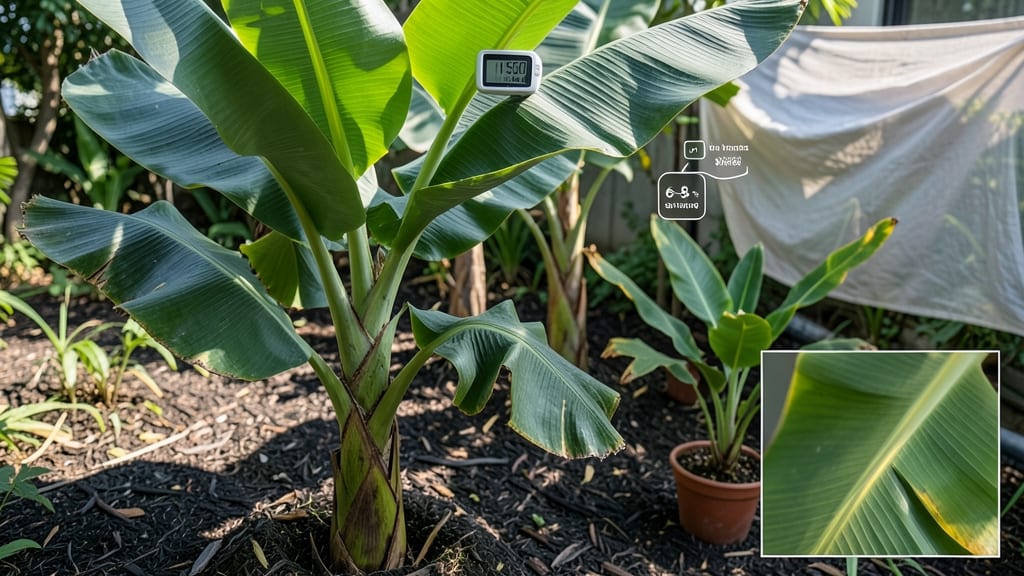
If you’ve ever watched a 🍌 banana plant stretch toward the sky like a sunflower, you’ve seen nature’s way of saying, "I need light—real, bright, tropical light!" But here’s the catch: too much direct sun can scorch those broad leaves, while too little leaves you with a weak, fruitless stalk.
Getting the balance right is the difference between a thriving plant and one that barely survives.
Most banana plants thrive in General (Tropical/Subtropical) zones where they bask in 6+ hours of bright indirect sunlight daily. That means no dim corners or shady patios—your banana needs the equivalent of a sunny day in its native habitat, minus the harsh afternoon glare.
Whether you’re growing one in a 15-gallon container on your balcony or in a lush backyard, understanding these light needs is the foundation of success.
What happens when you get it wrong? Yellowing leaves, weak stems, or—worst of all—no bananas. But don’t worry: I’ll walk you through exactly how to provide the perfect light, whether you’re dealing with a south-facing window indoors or adjusting shade outdoors.
By the end, you’ll know how to keep your banana plant happy, healthy, and ready to produce fruit.
The key isn’t just about sunlight hours—it’s about quality. Let’s dive into how to give your banana plant the light it craves without burning it out.

Ideal light requirements for banana plants: bright indirect sun explained
Banana plants thrive under bright indirect sunlight, mimicking their tropical homeland. Unlike many houseplants, they need 6+ hours of light daily but can’t handle harsh midday sun that burns their broad leaves. Think of it as dappled shade under a canopy—just enough light to fuel growth without scorching.
The light needs shift slightly between young plants and mature specimens. Seedlings tolerate lower light (4-6 hours) as they establish roots, but adults demand full sun exposure for fruit production. Even then, afternoon shade helps prevent leaf bleaching in hot climates.
Here’s how to spot light-related stress in your banana plant: Underlighting causes weak stems, small leaves, and pale yellowing (chlorosis). Overlighting leads to brown leaf tips, crispy edges, and sunburnt patches. Both extremes stunt growth and reduce fruiting potential.
Seasonal adjustments matter too. In summer months, provide afternoon shade (use sheer curtains or a light shade cloth with 30-50% coverage). During winter, maximize south-facing windows or supplement with grow lights if natural light drops below 4 hours daily.
Container-grown banana plants face unique challenges. Pots dry out faster and overheat in direct sun, so choose light-colored containers and elevate them off the ground. For outdoor pots, move them to partial shade during peak afternoon heat (1 PM–4 PM).
🌱 Pro Tip: Rotate your banana plant quarter-turns weekly to ensure even light exposure. This prevents lopsided growth and helps leaves develop uniformly.
| Growth Stage | Light Needs | Signs of Stress | Solution |
|---|---|---|---|
| Seedlings (0-6 months) | 4-6 hours bright indirect | Leggy stems, small leaves | Move to sunnier spot or add grow light |
| Mature Plants (6+ months) | 6+ hours bright indirect | Brown tips, sunburn, no fruit | Afternoon shade, prune damaged leaves |
| Fruiting Stage | Full sun with afternoon shade | Yellowing leaves, poor fruit set | Fertilize with potassium, adjust watering |
| Indoor Containers | South window + grow light | Stunted growth, weak stems | Rotate plant weekly, use LED grow lights |
Outdoor banana plants in tropical climates (USDA Zones 10-12) can handle direct morning sun followed by afternoon shade. In cooler zones, container-grown plants need year-round protection from frost and supplemental light during winter’s short days.
For indoor growers, a south-facing window is ideal, but most homes lack enough natural light. A 12-inch LED grow light (2700K-6500K spectrum) placed 12-18 inches above the plant can bridge the gap. Run it for 12-14 hours daily to mimic tropical daylight.
💡 Light Meter Hack: Use your phone’s lux meter app to check light levels. Banana plants need 10,000–20,000 lux for optimal growth. Below 5,000 lux, supplement with artificial light.
Remember, banana plants are not low-light tolerant. Even dwarf varieties (like Musa acuminata ‘Dwarf Cavendish’) need bright conditions to thrive. If your plant’s leaves are reaching toward the light, it’s begging for more—just don’t rush into harsh direct sun!
Ideal light requirements for banana plants: bright indirect sun explained
Banana plants thrive in bright indirect sunlight, mimicking their native tropical habitats where dappled light filters through dense foliage. While they love sunlight, direct midday rays can scorch their broad leaves, especially in hot climates.
Think of it as morning sun with afternoon shade—this balance prevents leaf burn while fueling growth.
Young banana plants need 4-6 hours of filtered light daily, while mature plants can handle 6-8 hours of bright, indirect exposure. In USDA Zones 10-12, outdoor plants bask in full sun but benefit from afternoon shade during peak summer months.
If you’re growing them in containers indoors, a south-facing window with sheer curtains is ideal.
🌱 Signs your banana plant isn’t getting enough light: 🟡 Pale, stretched leaves (etiolation) 🟡 Weak, spindly stems 🟡 No flower stalks (critical for fruiting) Too little light stunts growth and prevents flowering, so monitor leaf color closely.
| Growth Stage | Light Needs | Signs of Stress |
|---|---|---|
| Young Plants (0-1 year) | 4-6 hours bright indirect | Leggy stems, yellowing leaves |
| Mature Plants (1+ years) | 6-8 hours bright indirect | Brown leaf tips, poor fruiting |
| Flowering Stage | Full sun with afternoon shade | Dropped buds, weak stalks |
Outdoor banana plants in hot desert climates (like Arizona) need afternoon shade to prevent leaf burn, while those in cooler coastal areas (like California) can handle more direct sun. Rotate container-grown plants quarterly to ensure even light exposure, as they’ll lean toward the sun.
💡 Pro tip: Use a light meter (or your phone’s lux app) to check light levels—banana plants thrive in 10,000-20,000 lux of bright indirect light. If your space falls short, supplement with a grow light (LED or fluorescent) 12 inches above the plant for 12-14 hours daily.
In winter, indoor banana plants may need supplemental light as daylight shortens. Move them to the sunniest window and avoid drafts, which stress the plant. With the right light balance, your banana plant will reward you with bold leaves and abundant fruit—even in non-tropical climates!