
How To
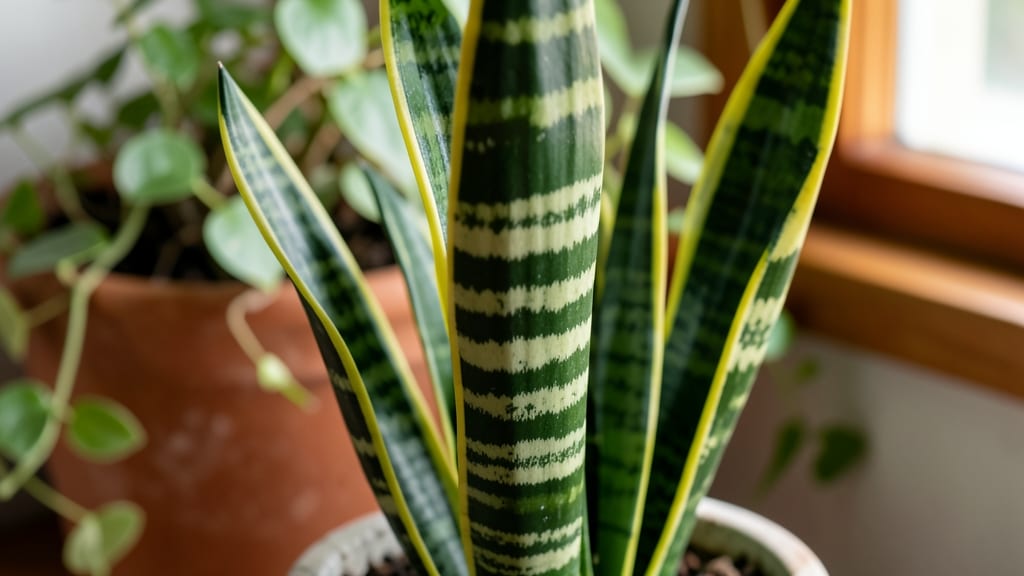
If you’ve ever wondered how tall your snake plant 🌱 could grow—or why some varieties stretch toward the ceiling while others stay compact—you’re not alone.
The answer depends on the specific type you’re growing, as well as a few key care factors that can push those leaves skyward or keep them short and sturdy.
Most snake plants reach heights between 1 and 4 feet, but popular varieties like 'Futura Superba' can tower up to 4 feet indoors, while dwarf types like 'Hahnii' stay under 2 feet.
What’s surprising is how quickly they grow once they hit their prime—sometimes adding 6-12 inches per year with the right conditions.
Light exposure is the game-changer here. Snake plants crave bright, indirect light to fuel their vertical growth, but too much direct sun can stunt them. Pair that with well-draining soil and infrequent watering, and you’ll see those leaves reaching for the sky in no time.
Ready to unlock your snake plant’s full potential? I’ll break down the exact height ranges by variety, plus the care secrets that turn a 2-foot plant into a 4-foot statement piece. Let’s get started.


How tall do snake plants grow: exact height ranges by popular variety
Snake plants (Sansevieria trifasciata) are famous for their striking, upright leaves, but their mature height can surprise even seasoned plant parents. The average snake plant height ranges from 1 to 4 feet, but some varieties stretch taller than a standard kitchen countertop!
Whether you're choosing a compact variety for small spaces or a tall statement plant for your living room, understanding these height ranges will help you pick the perfect fit for your home or garden.
Not all snake plants grow the same. Some varieties stay under 2 feet, while others reach 4 feet or more with proper care. The growth rate also varies—some take 3-5 years to reach maturity, while others grow faster under ideal conditions.
Let’s explore the most popular varieties and their exact height expectations so you can plan your space (and your plant’s future) with confidence.
🌱 Pro Tip: Height isn’t the only factor—leaf width and shape also vary! Some snake plants have thin, arching leaves, while others boast bold, sword-like foliage. Pairing height with leaf characteristics will help you create a cohesive look in your home.
If you’re wondering, "Why is my snake plant so tall?", it’s likely a mature variety like 'Laurentii' or growing in optimal conditions.
On the flip side, if your plant is stunted or shorter than expected, it might need more bright, indirect light or a larger pot to encourage vertical growth. We’ll dive deeper into these factors in the next section!
One of the most exciting aspects of snake plants is their versatility in design. A 3-foot 'Mother-in-Law’s Tongue' can anchor a living room corner, while a 1-foot 'Hahnii' adds charm to a windowsill.
Consider your space’s dimensions and traffic flow when selecting a variety—some leaves can get heavy and top-heavy, so placement matters for stability.
💡 Lighting Hack: Place your snake plant near an east-facing window for gentle morning light, which promotes steady (but not overly rapid) growth. Avoid harsh direct sunlight, which can scorch leaves and stunt height over time.
For those with limited vertical space, dwarf varieties like Golden Hahnii or Cylindrica are ideal. They thrive in small pots or hanging baskets, making them perfect for apartments, offices, or even bathrooms.
Meanwhile, taller varieties like 'Futura Superba' can be trained to grow against a wall or trellis for a modern, vertical garden look.
Remember, height isn’t set in stone—proper care can influence how tall your snake plant grows. In the next section, we’ll explore how light, soil, and watering habits play a role in determining your plant’s final stature.
Stay tuned to unlock the secrets of maximizing (or minimizing) your snake plant’s height! 🌿
Factors that determine snake plant height: light, soil, and care secrets
Your snake plant’s height isn’t just about genetics—it’s a direct reflection of its growing conditions. The biggest factor is light exposure. While these plants tolerate low light, they’ll stretch dramatically (a condition called etiolation) when starved for sunlight, reaching heights 2-3 feet taller than their ideal size.
Place yours near an east-facing window for balanced growth.
Pot size plays a surprising role too. Root-bound plants grow upward faster because they’re competing for space. If your snake plant’s leaves are crowding the pot’s rim, it’s time to repot into a container just 1-2 inches wider.
This gives roots room to spread horizontally, encouraging thicker, not taller growth.
Soil quality matters just as much. Snake plants need well-draining, slightly sandy soil to prevent root rot, which can stunt growth. Mix in perlite or orchid bark (20-30%) to improve aeration. Heavy, compacted soil suffocates roots, slowing height gains by up to 50% in severe cases.
⚠️ Warning: Common Growth Mistakes
- Overwatering: Leads to root rot, stunting height by 30-40%.
- Direct sunlight: Scorches leaves, causing growth halts.
- Small pots: Roots compete, forcing vertical stretching instead of healthy growth.
Watering habits also impact height. While snake plants are drought-tolerant, infrequent deep watering (every 2-3 weeks) encourages stronger root systems. Shallow, frequent watering leads to weak stems that can’t support taller growth. Always water until it drains completely from the pot’s base.
Fertilizer choices make a difference too. Use a balanced, diluted fertilizer (5-5-5) once every 2-3 months in spring and summer. Over-fertilizing burns roots, while skipping it entirely slows growth. Pro tip: Flush the soil every 6 months to remove salt buildup from fertilizers.
Finally, temperature and humidity play subtle roles. Snake plants thrive in 65-85°F ranges. Below 55°F, growth nearly stops entirely. If your plant is near a drafty window or AC vent, move it to a warmer spot.
Humidity under 40% can also cause leaf browning, which weakens stems and limits height potential.