
How To
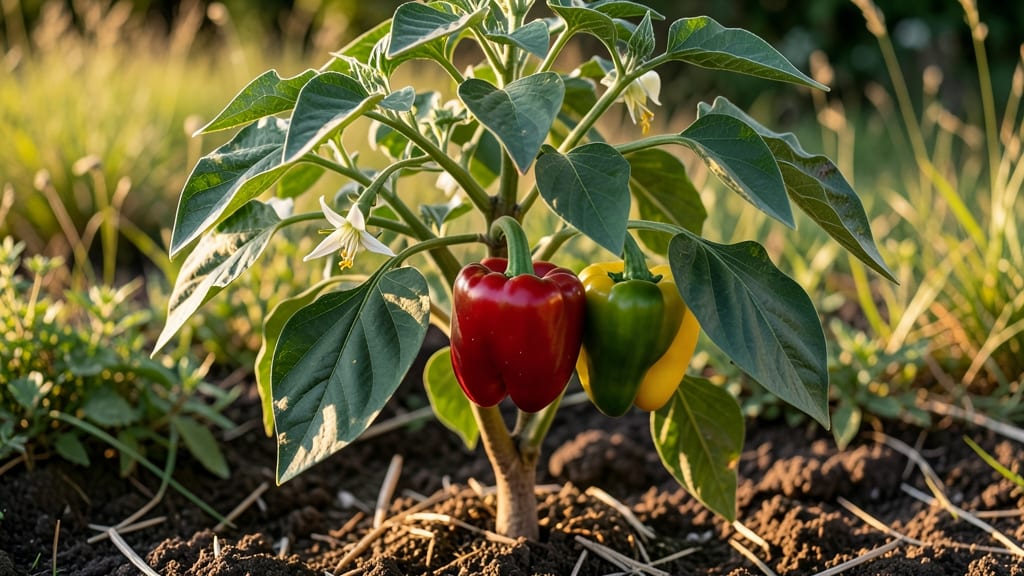
If you're planning your 🌶️ bell pepper garden this spring, knowing how tall your plants will grow is the first step to avoiding crowded, underperforming bushes. The height of your bell peppers can vary wildly—from compact 18-inch dwarf varieties to towering 4-foot giants—depending on the cultivar you choose.
For most gardeners in USDA Zone 6, standard varieties like 'California Wonder' typically reach 3-4 feet tall, while bush types stay closer to 2 feet. But here's the catch: taller plants need more space for airflow and sunlight, while shorter ones thrive in containers or small garden plots.
In this guide, I’ll break down the exact height ranges by variety so you can plan your spacing like a pro. Whether you're working with limited space or dreaming of a lush pepper patch, understanding these growth patterns will help you maximize your harvest without the hassle of overcrowding.
Ready to set up your garden for success? Let’s dive into the specifics—because the right spacing makes all the difference in how many peppers you’ll bring to the table this summer.


Average bell pepper plant heights by variety: compact vs. tall-growing types
Bell pepper plants vary dramatically in height depending on the variety and growth habit. While most gardeners assume all bell peppers reach 3-4 feet, some dwarf varieties stay under 2 feet, while tall growers like 'King of the North' can exceed 4 feet.
Understanding these differences helps you plan your garden layout, choose containers, and even select trellising options for vertical growth.
Height isn't the only factor—growth habit matters too. Some varieties grow upright (like 'California Wonder'), while others sprawl (like 'Jupiter'). This affects how much horizontal space you'll need alongside vertical clearance.
For example, a bush-type pepper like 'Aristotle' stays compact but wide, while a tall, indeterminate type like 'Monarch' grows skyward with minimal spread.
Below is a comparison of popular bell pepper varieties, organized by height range and growth type. Use this as your guide to select plants that fit your space—whether you're working with container gardening or a full raised bed.
| Variety | Height Range | Growth Habit | Best For |
|---|---|---|---|
| 'Aristotle' | 18-24" | Bush (compact) | Containers, small spaces |
| 'California Wonder' | 24-36" | Upright (standard) | Raised beds, in-ground |
| 'Jupiter' | 30-48" | Sprawling (wide) | Trellises, large containers |
| 'King of the North' | 48-60" | Tall (indeterminate) | Vertical gardens, stakes |
| 'Monarch' | 36-48" | Upright (tall) | Trellises, tall cages |
| 'Sweet Banana' | 24-36" | Bush (medium) | Containers, small gardens |
Note: Heights are approximate and can vary based on sunlight, soil fertility, and pruning practices.
If you're growing bell peppers in containers, prioritize dwarf or semi-dwarf varieties like 'Aristotle' or 'Sweet Banana'. These stay under 24 inches, making them ideal for balcony gardens or patio pots.
A 5-gallon container is perfect for these compact types, while larger varieties need at least 10-15 gallons of soil to support their roots and height.
For in-ground gardens, taller varieties like 'Jupiter' or 'King of the North' thrive when given extra space. These sprawlers benefit from trellises or cages to manage their height and keep fruits off the ground.
If you're short on space, consider pruning techniques to control height while encouraging bushier growth—this works especially well for indeterminate varieties that naturally grow tall.
One common mistake is assuming all bell peppers need the same amount of space. For example, 'California Wonder' (a standard-height variety) can handle 18-inch spacing, while 'King of the North' needs 30+ inches to avoid competition.
Always check the seed packet or plant tag for spacing recommendations, as this directly impacts yield and plant health.
Pro tip: If you love tall bell peppers but have limited vertical space, try pruning the main stem to encourage lateral branches. This creates a bushier plant with more peppers at harvestable height. Just be sure to leave at least 3-4 leaves above each branch to support fruit production.
🌱
Optimal spacing for bell pepper plants: how height affects yield
Bell pepper plant height directly impacts your harvest success. Compact varieties like 'Snackable' stay under 2 feet, while towering types such as 'Monarch' can reach 4 feet or taller. Proper spacing ensures each plant gets enough sunlight and airflow, preventing disease and maximizing fruit production.
For container gardening, even tall varieties can thrive in 5-gallon pots with proper spacing. In raised beds, you can plant them closer together (18 inches apart) since edges provide support. In-ground planting requires the most space—up to 36 inches for giant varieties—to prevent overcrowding.
Here’s how height affects your spacing needs:
Overcrowding leads to poor air circulation, increasing the risk of fungal diseases like powdery mildew. Tall varieties also benefit from stakes or cages to support their weight and keep fruits off the ground. Even compact plants appreciate a small trellis to improve yield and accessibility.
In raised beds, you can fit 2-3 rows of compact varieties along the length, leaving 12 inches between rows for easy maintenance. For balcony gardens, choose dwarf varieties and use hanging baskets or deep pots to maximize vertical space without sacrificing yield.
Always adjust spacing based on your local climate. In hotter regions, plants may grow taller and need more room, while cooler areas might benefit from closer spacing to retain heat. Monitor growth and thin seedlings early to avoid competition for nutrients.
Proper spacing isn’t just about height—it’s about creating an environment where your bell peppers can thrive from seedling to harvest. With the right setup, even tall varieties can produce abundant, healthy peppers in containers or small gardens! 🌱