
Plants
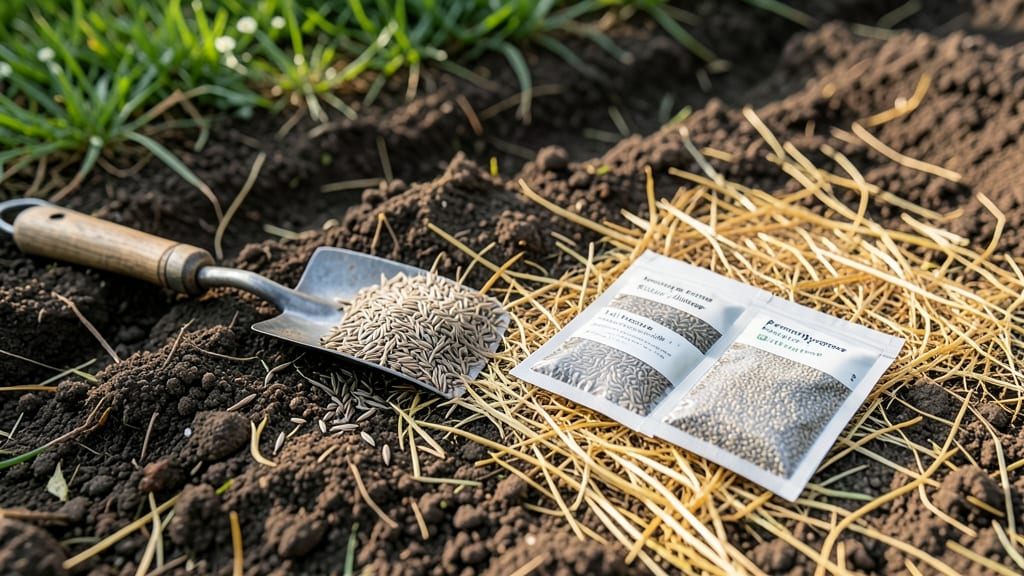
Planting grass seed in the fall can transform your yard into a thick, green carpet—but only if you time it right. Cool-season 🌱 grass (Cool-Season) thrives when sown before the ground freezes, giving roots time to establish before winter.
In USDA Zone 6a, that means starting 4-6 weeks before your first frost, typically between late August and early October.
Why does timing matter so much? Seeds planted too early may sprout and struggle before cold weather sets in, while seeds planted too late won’t have enough time to root before the ground hardens.
The key is checking soil temperatures—ideal fall planting occurs when temps hover between 60°F and 75°F, signaling perfect conditions for germination.
Don’t let common mistakes derail your efforts. Overwatering, skipping soil prep, or ignoring local frost dates can turn your hard work into a patchy lawn. I’ll walk you through the exact steps to avoid these pitfalls, so you can enjoy a lush lawn next spring without the guesswork.
Whether you’re in the Northern or Southern U.S., this guide breaks down the critical soil checks and regional adjustments you need. Let’s get your grass off to the best possible start—before the first frost hits.
3 Critical soil temperature ranges for fall grass seed planting
Planting grass seed in the fall is one of the best ways to get a thick, weed-resistant lawn—but only if you nail the soil temperature. Too warm, and seeds may dry out; too cold, and they won’t germinate.
The key is planting when soil temps sit between 60°F and 75°F, giving seeds time to sprout before winter sets in.
Most cool-season grasses (like tall fescue or Kentucky bluegrass) thrive when soil temps are ideal for germination. In the Northern US, this window is typically late August to early October, while Southern regions can extend planting until mid-November.
Always check your local first frost date to avoid planting too late.
To measure soil temperature accurately, use a soil thermometer (available at garden centers) and check it 1-2 inches deep—where most grass seeds will germinate. Early morning is the best time to test, as temps fluctuate less.
If your soil is above 75°F, wait a few weeks; if it’s below 50°F, you’ve missed the window.
Here’s how to adjust your planting schedule based on your region’s soil temperature trends:
| Region | Ideal Soil Temp Range | Best Planting Window | Notes |
|---|---|---|---|
| Northern US (Zones 3-5) | 60°F–70°F | Late August–mid-September | Early frost risk; plant 4-6 weeks before first frost. |
| Midwest (Zones 6-7) | 65°F–75°F | Mid-September–early October | Balanced window; less frost risk than North. |
| Southern US (Zones 8-10) | 70°F–75°F | October–November | Warmer soils; plant closer to frost dates. |
If you’re in a transition zone (like Zone 7), monitor your local weather forecasts for sudden temp drops. A 5-day forecast predicting temps below 50°F means it’s time to plant—even if soil temps are still ideal. Grass seeds need 4-6 weeks to establish roots before winter dormancy.
One common mistake? Planting based on air temperature instead of soil temperature. A 70°F day with 80°F soil can dry out seeds before they sprout. Always check the ground. Pro tip: Morning soil temps are usually 5-10°F cooler than afternoon temps, so test early to avoid overestimating readiness.
For cool-season grasses, aim to have 50% of your lawn established by the time soil temps drop below 50°F. This gives roots time to harden off before winter.
If you’re in doubt, err on the side of planting earlier—you can always overseed later if needed, but seeds won’t germinate once soil freezes.
Once you’ve nailed the soil temperature window, the next step is preparing your soil. Loosen the top 2-3 inches of soil, remove debris, and level the area.
A light raking creates the perfect seed bed for even coverage. After planting, keep the soil consistently moist (not soggy) until germination.
Remember: Fall planting success hinges on these three factors—soil temperature, timing, and preparation. Get them right, and you’ll have a lush, green lawn by next spring with minimal weeds or bare spots. 🌱
3 Critical soil temperature ranges for fall grass seed planting
Soil temperature is the single most important factor in determining when to plant cool-season grass seed in the fall. Unlike spring planting, fall offers a narrower window—too early, and your seeds may sprout and struggle before winter; too late, and they won’t germinate at all.
The ideal soil temperature range for fall grass seed planting is between 60°F and 75°F, but this varies slightly by region and grass type.
In the Northern U.S. (USDA Zones 3-6), aim for soil temps between 50°F and 65°F, typically between late August and early October. Southern regions (Zones 7-10) can plant later, targeting 65°F to 75°F soils, often from September through November.
The key is to plant 4-6 weeks before your first frost, giving roots time to establish before winter dormancy.
Here’s how to check your soil temperature accurately: Use a soil thermometer inserted 2-4 inches deep (where seeds will germinate). Test in the late afternoon when soil is warmest.
If temps drop below 50°F, wait—cool-season grass won’t germinate in cold soil. Conversely, if temps exceed 75°F, seeds may dry out before sprouting.
If you’re in a transition zone (Zone 6-7), like much of the Midwest, monitor local forecasts for early frost warnings. Planting too close to frost can leave seeds vulnerable to soil freezing, which halts germination.
A simple rule: If your nighttime temps drop below 40°F, your seeds need to be in the ground or covered with straw for protection.
Pro tip: Use a weather app with soil temperature alerts (like Farmer’s Almanac or Local Weather Stations) to track conditions. In my experience, September is the safest month for most of the U.S., but always verify with a soil check.
Don’t let a few warm days fool you—consistent temps matter more than calendar dates.
Once you’ve nailed the soil temperature window, the next step is adjusting for your specific USDA zone. For example, Zone 3 gardeners should plant by early September, while Zone 9 gardeners can wait until October.
Each zone has unique frost risks and warm spells that dictate the perfect timing.