
Plants
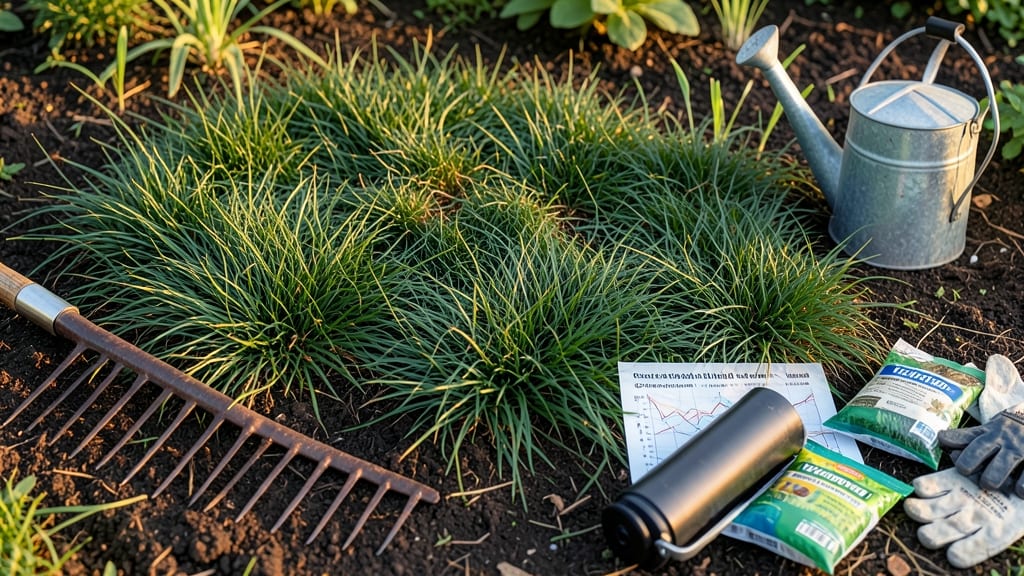
If you’ve ever wondered when is the best time to plant grass in Michigan, staring at a muddy April yard can feel like a high-stakes guessing game. The ideal planting window isn’t just about the calendar—it’s about avoiding frost damage, heat stress, and wasted seed.
Whether you’re in USDA Zone 5b or 6b, timing matters more than you think.
Early spring and early fall are your golden windows, but Michigan’s unpredictable weather throws a wrench into the plan. Planting too early means frost can kill your seedlings, while waiting too late risks weeds stealing your lawn’s spotlight.
The secret? Checking soil temps (aim for 50°F+) and aligning with your local frost dates—typically April–May for spring or September–October for fall.
Let’s break down the exact deadlines for northern vs. southern Michigan, plus the 5 critical factors that determine success. You’ll learn how to test your soil, pick the right seed, and avoid common mistakes that turn green dreams into brown patches.
Ready to transform your yard from patchy to picture-perfect? Let’s get started with the timing that actually works for Michigan’s climate.
Michigan grass planting deadlines by USDA Zone (4-6): northern vs southern timelines
Michigan’s USDA Zones 4-6 create a clear divide for lawn planting success. Northern Michigan (Zone 4) has shorter growing seasons, while southern Michigan (Zones 5-6) enjoys 2-4 extra weeks of planting flexibility. Missing these windows means struggling with frost damage or weed competition.
Cool-season grasses like Kentucky bluegrass and tall fescue thrive when planted in early spring (March-April) or early fall (September-October). Warm-season grasses like zoysia (rare in Michigan) prefer late spring planting—but most Michiganders stick with cool-season varieties.
Your exact deadline depends on soil temperature (must reach 50°F) and frost dates. Northern Michigan’s last frost often hits May 15, while southern areas may see frost as late as May 25. Planting too early risks seedling frostburn; too late invites weed dominance.
Here’s how to align your planting with Michigan’s regional microclimates for maximum success:
| Zone | Northern Michigan (Zone 4) | Southern Michigan (Zones 5-6) |
|---|---|---|
| Ideal Planting Windows | Early Spring: April 1–May 10 Early Fall: September 1–October 10 |
Early Spring: March 20–May 15 Early Fall: August 20–October 15 |
| Soil Temperature Threshold | Minimum 50°F (typically mid-April) | Minimum 50°F (typically late March) |
| Last Frost Date | Average May 15 (varies ±7 days) | Average May 25 (varies ±7 days) |
| First Frost Date | Average October 10 (varies ±7 days) | Average October 20 (varies ±7 days) |
| Critical Avoidance Periods | After May 10 (heat stress) Before September 1 (frost risk) |
After May 15 (heat stress) Before August 20 (frost risk) |
| Pro Tip for Northern Zones | Use warm-season cover crops (like buckwheat) to protect soil until planting. | Extend fall window with row covers for late October plantings. |
For northern Michigan gardeners, April 1–May 10 is your prime spring window. Wait until soil warms to 50°F—test with a soil thermometer—or risk poor germination.
Southern Michigan’s longer season lets you start as early as late March, but April 15 is the safest bet for consistent results.
Fall planting offers Michigan’s best germination rates because cool, moist soil and shorter daylight reduce stress. Aim for September 1–October 10 in the north and August 20–October 15 in the south. Planting in late October risks winterkill before roots establish.
Microclimates matter! Lawns near Great Lakes shorelines (like Traverse City) stay cooler longer, while inland areas (like Lansing) warm up faster. Check your local frost dates via the Michigan State University Extension or Almanac for precision timing.
Pro move: Test your soil 2 weeks before planting. Michigan’s clay-heavy soils often need amendments like compost or sand to improve drainage. Aim for a pH of 6.0–7.0—most grass seeds struggle below 5.5.
Remember: Seed vs. sod changes timing slightly. Sod can handle warmer soil (60°F+) and later plantings, while seeds need cooler temps (50–65°F) for best results. Choose based on your patience level and budget.
Timing isn’t just about months—it’s about weather patterns. Track 7-day forecasts for stable temps and minimal rain (3+ days of dry weather ideal). Use this window to prep soil, test seeds, and avoid planting during heatwaves or heavy rainfall.
5 Critical factors that determine the perfect grass planting time in Michigan
Michigan’s cool-season climate demands precision when planting grass. Beyond checking the calendar, you must account for soil temperature, rainfall patterns, and even your grass type—cool-season vs. warm-season—to avoid costly mistakes. Let’s break down the 5 game-changing factors that separate a thriving lawn from a patchy disappointment. 🌱
First, soil temperature is non-negotiable. Grass seeds need soil that’s at least 50°F to germinate properly. In Michigan, this typically means waiting until mid-April to early May for spring planting.
Use a soil thermometer to confirm—don’t guess! A frozen or cold soil will leave your seeds sitting idle, waiting for warmer days that may never come. ❄️
Next, rainfall and moisture play a huge role. Michigan’s spring can swing from dry spells to sudden downpours, and neither extreme is ideal for new grass. Aim to plant when you’ve got consistent, light rainfall (about 1 inch per week) or be prepared to water gently but frequently.
Overwatering can drown seeds, while drought stress can kill them before they sprout. 💧
Here’s where grass type matters. Michigan’s climate favors cool-season grasses like Kentucky bluegrass, tall fescue, and perennial ryegrass, which thrive in fall and spring.
Warm-season grasses like zoysia or buffalo grass are rare here but can be planted in late spring to early summer if you’re in a southern Michigan microclimate. Choose wisely! 🌿
🔍 5 Critical Factors for Perfect Grass Planting in Michigan
- 🌡️ Soil Temperature: Wait until soil reaches 50°F+ (mid-April to early May for spring).
- 🌧️ Rainfall Patterns: Plant during consistent light rain or water gently daily.
- 🌱 Grass Type: Cool-season grasses (Kentucky bluegrass) thrive in fall/spring; warm-season grasses need late spring.
- 📅 Frost Dates: Plant 4-6 weeks before last frost (spring) or 4-6 weeks before first frost (fall).
- 🏡 Microclimates: Southern Michigan (Zone 6) can plant 2 weeks earlier than northern areas (Zone 4).
Don’t overlook frost dates, which can shift your planting window by 2-4 weeks. In Michigan, the last frost typically hits around April 15, but northern areas (USDA Zone 4) may face frost until May 1.
Plant 4-6 weeks before this date to give your grass time to establish roots before summer heat sets in. Conversely, fall planting should happen 4-6 weeks before the first frost (usually mid-September to early October). 🍂
Finally, microclimates can drastically alter your timeline. If you’re in southern Michigan (Zone 6), you might plant 2 weeks earlier than someone in northern Michigan (Zone 4). Urban areas with concrete or pavement stay warmer longer, while rural spots with more shade or wind exposure may need adjustments.
Check local weather trends and talk to neighbors with established lawns—they’re your best resource! ☀️