
Plants
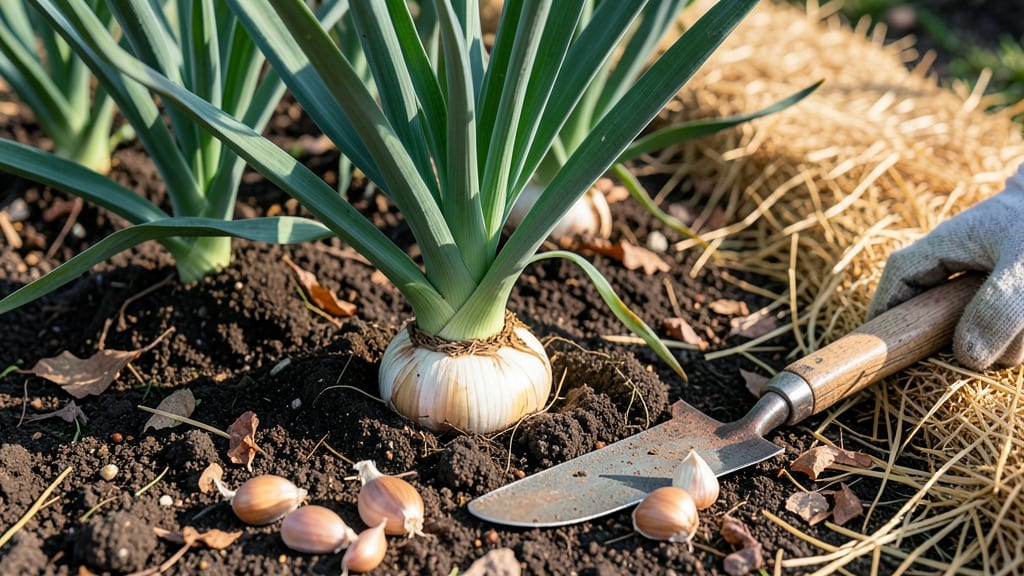
If you're dreaming of a bumper crop of 🧄 garlic this summer in North Carolina, timing your spring planting is the game-changer you need. Planting too early risks bolting, while waiting too long could mean smaller bulbs or even failed harvests—especially in zones 7a-8b where temperatures fluctuate unpredictably.
Most gardeners know fall planting is ideal, but spring offers a second chance for hardneck and softneck varieties, each with its own zero-bolt window.
I’ll break down exactly when to plant in NC’s spring—whether you’re in the Piedmont’s warmer microclimates or the Mountains’ cooler highlands—to maximize your yield without the stress.
Why does this matter? Because a 6-week difference in planting can mean the difference between plump, flavorful garlic and scraggly, underdeveloped cloves. You’ll also discover which varieties thrive best in your region and how to prep your soil for success.
Ready to grow garlic that’ll make your neighbors jealous? Let’s dive into the exact dates, soil secrets, and care tips that’ll set you up for a harvest fit for a North Carolina summer.
NC spring planting windows for hardneck vs softneck garlic (with zero-bolt Zones)
North Carolina’s three distinct growing regions—Coastal, Piedmont, and Mountains—each demand different spring garlic planting windows to avoid bolting (premature flowering). Hardneck varieties like 'German White' need cooler temperatures and a narrower window, while softneck types like 'Artichoke' tolerate warmer spring soils.
The key is planting when soil temps stay below 60°F for at least 4-6 weeks after sprouting.
For Coastal NC (Zones 7b-8a), where springs warm quickly, aim for late February to early March. In the Piedmont (Zones 7a-7b), plant between mid-February and late March.
Mountain regions (Zones 6b-7a) can start as early as late January, but avoid planting before soil temperatures hit 40°F—garlic cloves won’t sprout in cold ground.
🌱 Zero-bolt zones are critical: Plant too early in warm areas (like Wilmington), and garlic bolts before bulbing. Use your last frost date (typically March 15 in most of NC) as a guideline—plant 6-8 weeks before to ensure bulbs mature by summer.
Here’s how to calculate your local zero-bolt window:
Hardneck garlic must experience cold vernalization (40–50°F for 60+ days) to bulb properly. Softnecks are more forgiving but still need consistent moisture—NC’s spring rains help, but Piedmont gardeners should mulch to prevent soil warming too fast. Use a soil thermometer to verify temps before planting.
Pro tip: If you miss the spring window, fall planting (October–November) is your backup—it yields larger bulbs with less bolting risk. But for spring plantings, mid-February is the sweet spot across most of NC, balancing frost risk and heat stress.
🌿 Soil prep is just as critical as timing. Work in compost or aged manure to improve drainage (garlic hates soggy roots), and choose a sunny, raised bed if your yard has clay soil. Avoid fresh nitrogen—it promotes leafy growth over bulbs.
For bolting prevention, select late-maturing varieties like 'Silverskin' (softneck) or 'Music' (hardneck). These tolerate warmer springs better than early types. If you’re in Zone 8a (Coastal), consider shade cloth after planting to delay soil warming.
📅 Mark your calendar for these key dates:
- Coastal NC: Plant by March 15 (harvest by July 4).
- Piedmont: Plant by March 31 (harvest by August 15).
- Mountains: Plant by April 15 (harvest by September 1).
✂️ After planting, mulch with straw to keep soil temps stable and reduce weeds. Water deeply once a week—garlic needs 1 inch of water per week, but avoid overhead sprinklers to prevent fungal diseases like white rot, common in NC’s humid springs.
NC spring planting windows for hardneck vs softneck garlic (with zero-bolt Zones)
North Carolina’s three distinct regions—Coastal, Piedmont, and Mountains—each demand different spring garlic planting windows to avoid bolting. The key is planting when soil temps hit 40°F but before daytime highs exceed 70°F for prolonged periods.
Hardneck varieties like 'German White' are far more sensitive to heat, while softneck types like 'Artichoke' offer a slightly wider window.
For Coastal NC (Zones 7b-8a), your sweet spot is February 15–March 15. Warmer microclimates near the coast mean you can push the envelope, but don’t wait past early March or risk bolting.
In the Piedmont (Zones 7a-7b), aim for February 1–March 10, while Mountain regions (Zones 6b-7a) can plant as late as March 1–April 1 thanks to cooler soils.
| Region | USDA Zone | Hardneck Window | Softneck Window | Soil Temp Threshold |
|---|---|---|---|---|
| Coastal | 7b-8a | Feb 15–Mar 15 | Feb 1–Mar 20 | 40–45°F |
| Piedmont | 7a-7b | Feb 1–Mar 10 | Jan 25–Mar 15 | 38–42°F |
| Mountains | 6b-7a | Mar 1–Apr 1 | Feb 15–Mar 25 | 35–40°F |
Why the difference? Hardneck garlic bolts when exposed to prolonged warmth—especially above 75°F—while softnecks tolerate heat better. Use a soil thermometer to confirm readiness; planting too early in cold soils delays growth, but waiting too long risks heat stress.
For zero-bolt guarantees, prioritize hardnecks in the Mountains and softnecks near the coast.
Pro tip: If your spring starts unusually warm (like 2023’s early heat waves), opt for shade cloth over newly planted garlic until nighttime temps drop below 65°F. This simple trick can extend your planting window by 2–3 weeks in risk-prone Piedmont areas.
Remember, garlic planted in spring will mature 4–6 weeks later than fall-planted crops, so adjust your harvest timeline accordingly. Aim for June–July harvests regardless of planting date.
Next, we’ll cover the 5 critical factors that separate successful NC garlic growers from those who struggle with bolting or poor yields—don’t miss these soil and climate secrets!