
Plants
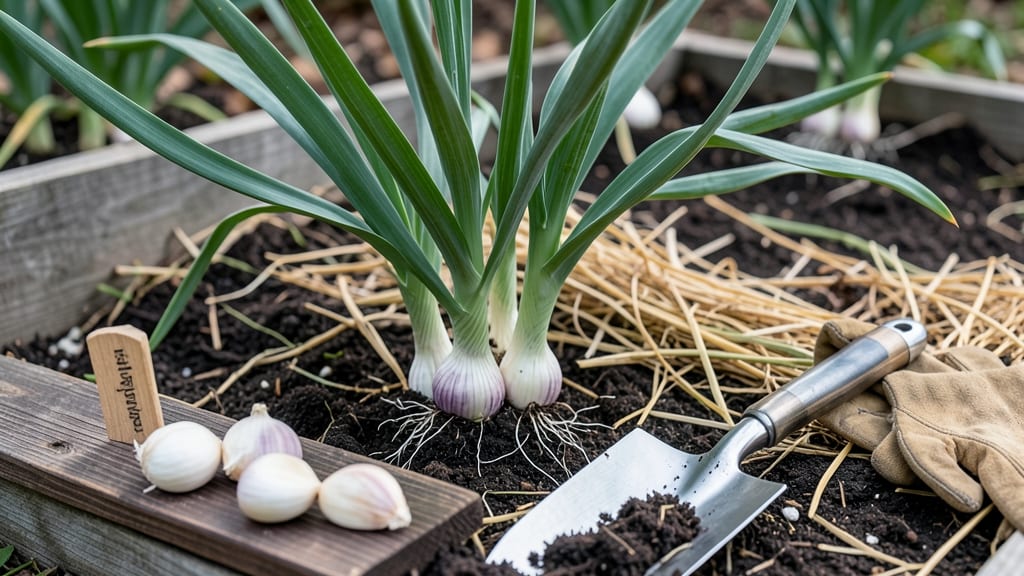
Timing your garlic 🧄 planting in Portland, Oregon, isn’t just about the calendar—it’s about matching your cloves to the city’s unpredictable chill-hours and microclimates. Plant too early, and you risk bolting; too late, and your bulbs won’t mature before summer heat.
The October–November window exists for a reason, but Portland’s maritime influence means your neighbors’ success might not apply to your yard.
Here’s the game-changer: hardneck varieties (like ‘German White’) need 400–600 chill-hours, while softnecks (like ‘Silverskin’) tolerate milder winters. In USDA Zone 8a, that shifts your ideal dates from early October (for inland areas) to mid-November** (near the coast). Soil temps below 50°F signal it’s time to plant—no guesswork needed.
I’ll walk you through how to read Portland’s frost dates, adjust for your microclimate, and even extend the planting window with mulch. Skip the trial-and-error: these steps ensure your garlic stores through next summer’s harvest, not flops in the garden.
Ready to grow plump, flavorful bulbs? Let’s dive into the exact timing and tricks that work in Portland’s quirky climate—no bolting, no regrets.
Portland’s ideal garlic planting window: chill-hours deep dive
Garlic thrives in Portland’s USDA Zone 8-9 climate, but timing is everything—especially when it comes to chill-hours. Most hardneck varieties need 400-600 chill-hours (temperatures below 40°F) to form bulbs, while softneck varieties tolerate fewer. Portland’s Willamette Valley typically hits these thresholds between October and December, but microclimates vary.
Planting too early (before October 1st) risks bolting (premature flowering), while planting too late (after January 15th) may yield small bulbs. The sweet spot for hardnecks is October 1st–November 15th, aligning with Portland’s first frost average (November 15th).
For softneck varieties, like ‘Silverskin,’ extend the window to November 15th–January 15th. These varieties store better but need fewer chill-hours (200-300). In East Portland, where winters are slightly colder, aim for the earlier end of these ranges.
Soil temperature is your best friend here. Garlic cloves sprout best in 50–60°F soil. Use a soil thermometer to confirm—Portland’s soils often hit this range by mid-October, but cooler years may delay planting until late October or November.
Pro tip: Check Oregon State University’s frost-free date maps for your exact neighborhood. For example, West Portland (near the Willamette River) may frost 1-2 weeks earlier than Hillsboro or Beaverton.
Here’s how Portland’s microclimates shift planting dates:
| Microclimate | Ideal Planting Window | Chill-Hours | Best Varieties |
|---|---|---|---|
| Willamette Valley (West Portland) | October 1st–November 10th | 500–600 | ‘German White,’ ‘Chesnok Red’ |
| East Portland (Columbia River Gorge influence) | October 15th–December 1st | 400–500 | ‘Music,’ ‘Silverskin’ |
| Hillsboro/Beaverton (Warmer inland) | November 1st–January 15th | 300–400 | ‘Artichoke,’ ‘Creole’ |
If you’re unsure about your microclimate, plant a test row in October and another in November. This gives you a backup if the first attempt bolts or underperforms due to unpredictable Portland weather.
For hardneck varieties, prioritize planting by November 1st to ensure they get enough chill before dormancy. Softnecks, however, can handle later starts and even spring planting (though bulbs will be smaller).
Remember: Garlic planted in fall matures the following summer (July–August), so timing now directly impacts your harvest size and flavor intensity. Don’t rush—patience pays off with plump, flavorful bulbs!
🌱
Moon phases, soil temps, and Portland’s best planting months
Portland’s October–November planting window isn’t just about the calendar—it’s about syncing your garlic with the rooting moon phases and soil temperatures that prevent bolting. The full moon in October is ideal for planting hardneck varieties, while new moon phases in November work better for softnecks.
This timing aligns with garlic’s natural growth rhythm, ensuring strong root establishment before winter dormancy.
Your soil temperature is the real game-changer. Garlic cloves need 50–60°F soil to sprout without bolting. In Portland, this typically happens by mid-October in inland areas but may delay until late October or November near the coast.
Use a soil thermometer to confirm—planting too early in cold soil can stunt growth, while waiting too long risks insufficient chill-hours.
Here’s the kicker: October planting gives you a head start, but your bulbs may mature smaller if winter arrives early. November planting, however, ensures full chill-hours and larger bulbs—just be ready to mulch heavily to protect from freeze-thaw cycles.
The Willamette Valley’s milder winters often favor November, while East Portland’s colder microclimates lean toward October.
October Planting
- Earlier harvest potential
- Better for hardneck varieties needing quick rooting
- Less risk of overwintering pests
- Smaller bulbs if winter arrives early
- Higher bolting risk in warm spells
- Requires heavier mulching for protection
November Planting
- Larger, high-quality bulbs
- Full chill-hours for hardnecks
- Lower bolting risk in stable soil temps
- Later harvest (July–August)
- Requires extended mulch protection
- Misses early spring sales if growing for market
To extend your planting window, use straw mulch (4–6 inches) or a cold frame to regulate soil temps. This lets you plant as late as January 15th for softneck varieties, though yields may drop. For hardnecks, stick to October–November—any later, and you risk bolting before bulbs mature.
Pro tip: Check Portland’s frost dates (average first frost: November 15th) and adjust. If you’re in a coastal microclimate, wait until late October; inland areas can plant earlier. The key is soil temp + chill-hours, not just the calendar.
Once planted, water deeply weekly until the ground freezes, then reduce to bi-weekly. By June or July, you’ll have plump bulbs ready for harvest—no bolting, no stress. That’s Portland garlic planting, perfected.