
Plants
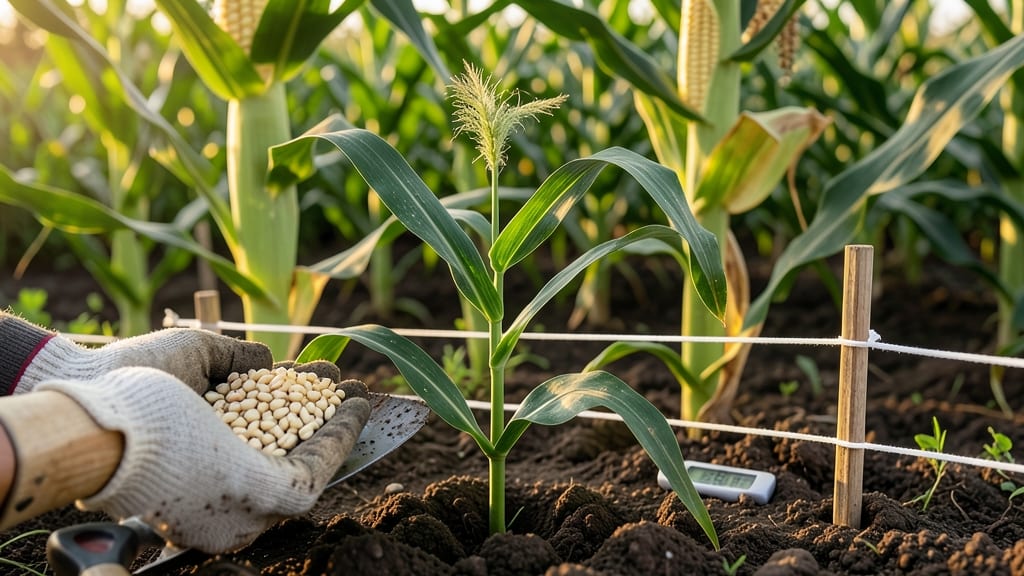
Timing your corn planting in East Texas isn't just about following a calendar—it's about catching that perfect window between frost risks and scorching summer heat. Miss the mark, and your 🌽 could bolt too fast or struggle under the relentless sun before ears even form.
Here in Zone 8a, where last frosts linger until mid-April, planting too early means frost damage, while waiting too long risks stunted growth from summer's intensity.
The ideal mid-April to early May window balances these challenges, but local microclimates—like Houston's humidity or Dallas' heat spikes—can shift those dates by weeks.
What if you're unsure about soil temperatures or variety choices? I'll walk you through the exact steps to time your planting for maximum yield, from testing soil warmth to selecting heat-tolerant varieties. Let's make sure your corn gets the head start it needs to thrive.
Whether you're a first-time gardener or a seasoned farmer, getting this timing right could mean the difference between a disappointing harvest and a garden full of sweet, plump ears ready by late summer. Ready to learn the secrets to East Texas corn success?
Optimal corn planting dates in East Texas by soil temperature
East Texas’ humid subtropical climate (USDA Zone 8a) creates a narrow window for planting corn—too early and frost zaps seedlings, too late and scorching heat stunts growth.
The key is waiting for soil temperatures to hit 60°F+ at 4-inch depth, which typically aligns with mid-April to early May across most of the region.
Northern areas like Dallas and Tyler often see last frosts around March 15, while southern zones like Houston and Beaumont can plant 2–3 weeks earlier due to milder winters. For example, Beaumont’s average last frost is February 28, giving gardeners a head start.
Corn thrives when daytime temperatures stay between 70°F–85°F during growth, so planting too late risks heat stress before ears form. In East Texas, this means aiming for April 15–May 1 for most varieties, with sweet corn needing slightly earlier dates (late March in southern zones).
| Region | Last Frost | Optimal Planting Window | Soil Temp Goal | Harvest Window |
|---|---|---|---|---|
| North Texas (Dallas, Tyler) | March 15 | April 15–May 1 | 60°F+ | Late July–Early Sept |
| Central Texas (College Station) | March 1 | April 1–April 15 | 60°F+ | Late June–August |
| South Texas (Houston, Beaumont) | February 28 | March 20–April 5 | 60°F+ | June–July |
| Deep East Texas (Lufkin, Nacogdoches) | March 5 | April 1–April 10 | 60°F+ | Late June–Early Aug |
*Adjust dates 1–2 weeks earlier for sweet corn varieties.
To check soil readiness, use a soil thermometer or the back-of-hand test: press your hand into the soil—if it feels warm but not hot, it’s likely 60°F+. In East Texas, this often coincides with azalea blooms (a local landmark for gardeners).
For replanting due to late frosts or poor germination, choose fast-maturing varieties (under 85 days) to avoid summer’s peak heat. For example, ‘Silver Queen’ matures in 75 days, making it ideal for late April plantings in northern zones.
Pro tip: Plant successive crops every 2 weeks in April to stagger harvests. This works especially well in Houston’s longer growing season, where you can squeeze in 3 harvests before fall frosts arrive in November.
Monitor local weather forecasts for 10-day outlooks, as sudden cold snaps can occur even after the average last frost. In 2021, a late-March freeze in Tyler delayed corn plantings by 3 weeks, teaching many gardeners to err on the side of caution.
If you’re unsure about your exact last frost date, Texas A&M AgriLife Extension offers free county-specific frost maps and planting guides tailored to East Texas.
Their 2023 data confirms that Beaumont’s frost-free season is 210 days, while Dallas’s is 190 days—a critical difference for corn’s 90–120-day growth cycle.
How to adjust corn planting for East Texas heat and drought
East Texas summers hit hard—90°F+ temperatures and drought conditions can turn your corn crop from golden promise to wilted disappointment if you don’t plan ahead. The key? Adjusting your planting strategy to beat the heat before it beats your plants.
First, focus on early-maturing varieties (85–100 days to harvest) like ‘Silver Queen’ or ‘Peaches and Cream.’ These finish before the worst heat sets in, giving you a 90% higher chance of a successful harvest compared to longer-season varieties.
🌱 Mulching is your best friend here. Apply 3–4 inches of straw or wood chips around plants to lock in moisture and keep soil temps 10°F cooler than bare ground. This simple step can extend your growing season by 2–3 weeks.
⚠️ Heat Stress Warning Signs
Wilted silks (the corn’s flower strands) mean pollination failure—your ears won’t form properly. If silks dry out within 24 hours of emerging, hand-pollinate by brushing tassels onto silks with a paintbrush.
Yellowing lower leaves signal heat stress. Prune them immediately to redirect energy to ear development. Never water at night—this invites fungal diseases like corn smut.
For irrigation, deep watering in the morning (before 9 AM) is critical. Aim for 1–2 inches per week, but increase to 2–3 inches during 100°F+ heatwaves. Drip irrigation systems work best—they deliver water right to the roots without wetting foliage.
If your corn bolts prematurely (sends up a tall stalk too soon), it’s a sign of heat stress or drought. In this case, replant with a faster variety (like ‘Early Sunglow’) and shade young plants with floating row covers until they establish roots.
Finally, avoid planting after mid-May unless you’re using shade cloth or a high-elevation site. The later you plant, the smaller and less sweet your ears will be. With these adjustments, you’ll turn East Texas’ challenges into peak harvest potential by late summer.