
Flowers
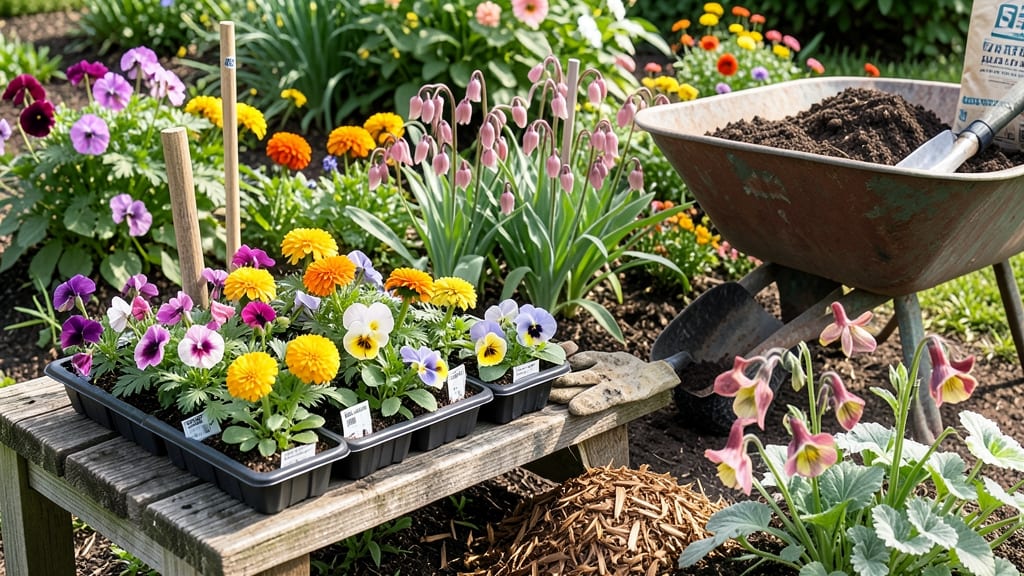
Timing your flower planting in Zone 5 can mean the difference between vibrant blooms and wilted disappointment—get it wrong, and even hardy perennials struggle to take root.
The key to success lies in understanding your local frost dates and soil conditions, which vary more than you might think across Zone 5 (General). Whether you're dreaming of 🌸 bright annuals or reliable perennials, planting at the right time ensures stronger roots and healthier growth.
Spring planting typically kicks off after the last frost, usually between mid-April and early May, but cooler microclimates might need a later start. Fall planting, however, offers a hidden advantage: cooler temperatures and reduced pests give flowers a head start on root establishment before winter.
Many gardeners overlook this window, missing out on a game-changer for next year's blooms.
In this guide, I'll break down the exact timing for both spring and fall planting, including soil temperature thresholds and region-specific adjustments. You'll discover which flowers thrive best in each season and how to extend your growing window for maximum impact.
Let's turn your garden into a year-round showcase of color and life.
Ready to transform your outdoor space? By the end, you'll know exactly when to plant each type of flower in Zone 5—so you can enjoy a garden that bursts with beauty from spring through fall. No more guesswork, just confident planting that delivers results.
Best spring planting times for annuals and perennials in Zone 5
Spring planting in Zone 5 starts the moment the last frost passes, but timing varies based on whether you're planting cool-season flowers or warm-season varieties.
The average last frost date falls between mid-April and early May, but your exact window depends on microclimates—valleys stay colder longer, while south-facing slopes warm up faster.
For cool-season flowers like pansies and snapdragons, you can plant as early as late March if your soil isn't frozen, while warm-season flowers like marigolds and zinnias need to wait until soil reaches 60°F (typically late May).
🌱Pro Tip: Use a soil thermometer to check temperatures—50-60°F is ideal for most spring-planted flowers. If your soil is still chilly, wait another week to avoid stunted growth. Container-grown plants can handle slightly cooler soil, giving you a 2-week head start over seeds.
💡Critical Timing: If you're planting warm-season flowers like tomatoes or peppers (often paired with flowers), wait until the nighttime temperatures stay above 50°F—this usually means late May in Zone 5.
For container-grown flowers, you can transplant them 2 weeks earlier than seeds, as their root systems are already established.
🌿Mulching Matters: After planting, apply 2–3 inches of mulch to retain moisture and regulate soil temperature. Organic mulch like straw or shredded leaves also suppresses weeds, giving your flowers a competitive edge during their critical early growth phase.
Avoid mulching too early in spring—wait until soil warms to 50°F to prevent rot.
For cool-season flowers, aim to plant 4–6 weeks before your last frost to ensure they establish roots before summer heat arrives. If you miss this window, don’t worry—many cool-season flowers (like lettuce or kale) can be replanted in early fall for a second harvest.
Warm-season flowers, however, cannot tolerate frost, so timing is everything for their survival.
🌡️Watch the Forecast: If a late frost is predicted after your planting, protect young flowers with frost cloth or a row cover. Even hardy perennials like coneflowers can suffer damage if exposed to 28°F or below.
A few extra dollars on frost protection now can save you from replanting later in the season.
Fall planting advantages: why many flowers thrive better when planted in autumn
Fall planting might seem counterintuitive in Zone 5, but cooler temperatures actually create ideal conditions for many flowers to establish strong roots before winter dormancy.
When you plant in autumn, you avoid the heat stress of summer while giving flowers a 6-8 week head start on root growth before the ground freezes. This strategy works especially well for perennials, bulbs, and biennials that need time to develop deep root systems for next year's blooms.
The key advantage is reduced competition from weeds and pests—fewer insects and diseases thrive in cooler fall soil. Plus, autumn rains often provide natural watering, cutting down on your maintenance workload.
Many gardeners skip fall planting because they associate it with winter, but the 4-6 week window before your first frost (typically mid-October in Zone 5) is perfect for getting flowers established without summer's challenges.
🌱Did you know? Some flowers, like tulips, daffodils, and chrysanthemums, actually prefer fall planting because their natural growth cycle begins in cool weather. These bulbs and perennials store energy underground during winter, emerging stronger in spring when planted in autumn rather than spring.
Cooler Soil Temperatures
Fall soil stays 50-60°F, ideal for root growth without heat stress. Many flowers establish 30-50% more roots in autumn than spring.
Reduced Pest Pressure
Fewer insects and diseases are active in fall, giving young plants a pest-free window to strengthen before winter.
Natural Moisture Boost
Autumn rains provide consistent watering, reducing your need to hand-water newly planted flowers.
Early Spring Blooms
Fall-planted bulbs like tulips and crocuses often bloom 2-3 weeks earlier than spring-planted ones.
For best results, aim to plant perennials and bulbs 4-6 weeks before your first frost (typically by late September in Zone 5). Annuals like pansies and snapdragons can handle slightly later planting—even into early November if your soil hasn't frozen yet.
The key is to give flowers enough time to establish roots before the ground hardens. Mulch heavily after planting to insulate roots and retain moisture through winter.
🌿 Pro tip: Test your soil temperature with a soil thermometer—ideal fall planting temps are 50-60°F. If your soil is still warm (above 60°F), wait a week or two for cooler conditions. This small adjustment can mean the difference between thriving flowers and frost-damaged plants next spring.