
Planting
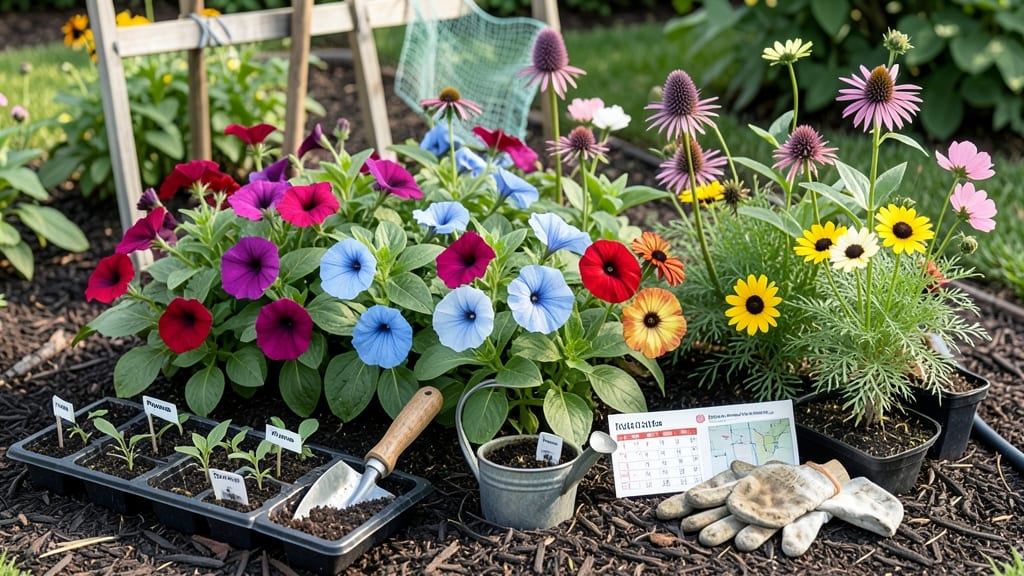
Planting flowers in Ohio at the wrong time can mean the difference between a vibrant garden and a sad, frost-nipped disappointment. With USDA Zone 6a and unpredictable frost dates, timing is everything—especially when you're eager to see those first 🌸 blooms of spring.
Ohio’s last frost date typically lands around mid-April, but that doesn’t mean you should rush out with your trowel just yet. Waiting until the soil warms to at least 50°F ensures your flowers take root before Mother Nature throws another cold snap your way.
But here’s the good news: You don’t have to wait for spring to start planning. Fall planting in September is another great option for many varieties, giving them time to establish roots before winter sets in.
Whether you’re a seasoned gardener or just starting, knowing the right windows will help you avoid common mistakes and maximize your blooms.
In this guide, I’ll walk you through Ohio’s frost dates, the best flowers for each season, and how to extend your growing window—so you can enjoy a garden that’s always in full, colorful bloom.
Ohio frost dates by planting zone: when to start flower seeds and transplants
Ohio’s diverse USDA zones (5b–6b) create a patchwork of frost dates that can confuse even seasoned gardeners.
In northern Ohio (zone 5b), like Cleveland or Toledo, the last frost typically hits around April 15–May 1, while southern Ohio (zone 6a), such as Cincinnati or Columbus, sees frost-free soil by April 1–April 15.
These dates shift 1–2 weeks earlier in urban areas due to the "heat island" effect.
For annual flowers, like marigolds or zinnias, wait until after the last frost to plant seeds or transplants. Perennials and bulbs, such as peonies or daffodils, can handle cooler soil—plant them 4–6 weeks before the last frost (late March in southern Ohio, early April in the north).
Even a false spring can trick gardeners, so always monitor local forecasts.
🌱
| Zone & Location | Last Frost Date | First Frost Date | Best Planting Window | Microclimate Note |
|---|---|---|---|---|
| Zone 5b (Cleveland, Toledo) | April 15–May 1 | October 15–20 | Annuals: After May 1 Perennials: Late March–April |
Urban areas 1 week earlier |
| Zone 6a (Columbus, Cincinnati) | April 1–April 15 | October 10–15 | Annuals: After April 15 Perennials: Late March |
Rural areas 1 week later |
| All Zones (Fall Planting) | N/A | N/A | Annuals: August–September Perennials: September–October |
6–8 weeks before first frost |
If you’re eager to start seeds indoors, begin 6–8 weeks before the last frost (early February for northern Ohio, late January for the south). Use grow lights to supplement natural light, as Ohio’s short winter days can stunt seedlings.
For heat-loving flowers, like sunflowers or cosmos, wait until soil temperatures reach 60°F+—usually late May in most of Ohio.
🌿
Ohio’s microclimates can vary dramatically even within a city. South-facing slopes warm up faster and may be frost-free 1–2 weeks earlier than surrounding areas. Conversely, low-lying spots or northern exposures hold cold longer. Use a soil thermometer to confirm readiness—50°F+ is ideal for most flowers.
For bulbs like tulips or daffodils, plant them in fall (October–November) to establish roots before winter. These hardy plants thrive with 6–8 weeks of chilling, which Ohio’s winters provide naturally. Spring-blooming bulbs planted too late may not flower until the second year.
🌸
Pro tip: Sign up for local frost alerts from services like the National Weather Service or your Ohio county extension office. These updates can save your garden from a late frost wiping out tender seedlings. In my own garden, I’ve lost pansies twice to unexpected frosts—always better to wait!
Finally, container gardens in Ohio offer flexibility. Move potted flowers to protected spots (like near a sunny wall) if frost threatens. This trick extends the season by 2–4 weeks in both spring and fall.
Best flowers to plant in Ohio by season: a month-by-month guide
Ohio’s four distinct seasons create perfect windows for planting flowers—each season brings its own star performers. Spring is all about cold-hardy annuals like pansies and sweet peas, while summer thrives with heat-loving zinnias and sunflowers. Even fall has its champions, like chrysanthemums that bloom right up until frost.
To make the most of Ohio’s 165 frost-free days, I’ve broken down the best flowers to plant each month. This schedule aligns with Ohio’s USDA Zone 6a and accounts for our variable weather. Whether you’re sowing seeds or transplanting young plants, timing is everything for vibrant blooms.
🌱
One of my favorite tricks for Ohio gardeners is succession planting. By staggering plantings every 2–3 weeks in spring and summer, you’ll enjoy non-stop blooms instead of a single burst of color.
For example, sow a batch of zinnias in early May, then repeat in late May and early June—this ensures fresh flowers all summer long.
Fall is often overlooked, but it’s the perfect time to plant perennials and bulbs that need time to establish roots before winter. Chrysanthemums and ornamental kale thrive in cooler weather and add late-season interest. Even pansies, planted in September, will reward you with cheerful blooms right through winter’s chill.
🌷