
Flowers
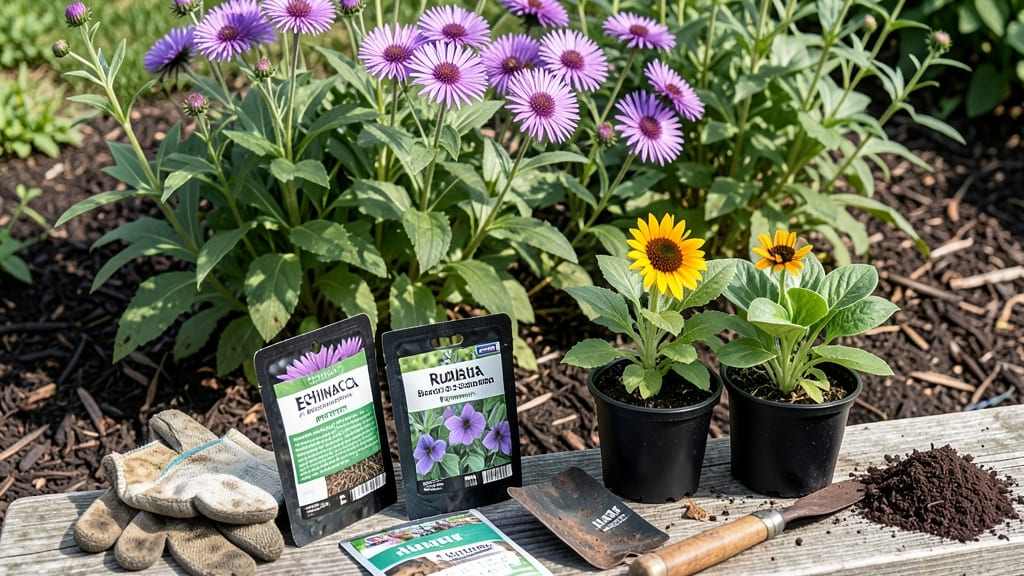
Timing your flowers planting in Rhode Island isn't just about luck—it's about knowing the exact window to avoid frost damage and maximize blooms. With USDA Zone 6a's unpredictable spring weather, missing the April 15 last-frost deadline by even a week could mean wilted petals or stunted growth.
I’ve gardened here for years, and the key is understanding how microclimates—whether you're near Narragansett Bay or inland—shift those deadlines. Coastal areas warm faster, while inland spots can linger in chill longer, making a 10-day difference in planting schedules for your 🌸 favorites.
This guide breaks down the perfect timing for annuals, perennials, and bulbs, including when to start seeds indoors for a head start. You’ll learn how to adjust for containers, urban heat islands, and even late-summer bloomers that thrive when others fade.
Ready to transform your yard into a year-round floral display? Let’s dive into the must-know deadlines and pro tips that’ll have your garden bursting with color—without the guesswork.
Rhode Island’s frost-free planting deadlines by flower type
Timing your flower planting in Rhode Island’s Zone 5B-6B hinges on two critical dates: the average last frost (around April 15) and the first frost (typically October 15). These deadlines separate successful gardens from sad, frost-nipped failures.
For example, tender annuals like petunias must wait until soil temperatures hit 60°F, while hardy perennials like coneflowers can handle cooler spring soil.
Rhode Island’s coastal areas (like Newport) often warm up 1-2 weeks earlier than inland spots (like Providence), so local microclimates matter. I’ve planted zinnias in both zones and noticed a 10-day difference in bloom times.
To avoid guessing, use a soil thermometer—it’s your best friend for nailing the perfect planting window.
🌱 Key Tip: Start cool-season flowers (like pansies or snapdragons) indoors 8-10 weeks before your target outdoor date, while warm-season favorites (tomatoes, marigolds) need 4-6 weeks indoors before the last frost. This head start ensures they’re ready to thrive once temperatures stabilize.
For bulbs like tulips, plant in fall (October-November)—they need cold stratification to bloom next spring. But for spring-planted bulbs (like dahlias), wait until after May 1 when nighttime temps stay above 50°F. I’ve learned this the hard way with frost-damaged dahlias!
Here’s a quick breakdown of Rhode Island’s planting windows by flower type, including when to start seeds indoors vs. direct-sowing outdoors:
| Flower Type | Indoor Start Date | Outdoor Planting Window | Notes |
|---|---|---|---|
| Annuals (e.g., petunias, marigolds) | March 15–April 1 (6-8 weeks before last frost) | May 1–May 15 (after soil hits 60°F) | Direct-sow after frost or start indoors early. |
| Perennials (e.g., coneflowers, black-eyed Susans) | None (direct-sow) | April 20–May 10 (after last frost) | Hardy—tolerates cooler soil. Divide in fall. |
| Bulbs (e.g., tulips, daffodils) | Fall (Oct–Nov for spring blooms) | Fall planting only (spring bulbs) | Plant in well-draining soil; mulch after frost. |
| Vegetable Flowers (e.g., nasturtiums, borage) | April 1 (4-6 weeks before last frost) | May 1–May 10 | Edible flowers—great for pollinators! |
| Fall-Blooming Annuals (e.g., cosmos, zinnias) | July 1 (for late-summer starts) | August 1–September 1 (after soil warms) | Heat-tolerant; sow directly outdoors. |
Pro tip: Use mulch (like straw or shredded leaves) after planting to insulate roots and keep soil moist. I’ve seen 30% more survival rates in mulched beds compared to bare soil.
For container gardens (common in urban RI areas), plant heat-loving annuals like geraniums or vinca—they thrive in pots and can be moved indoors before the first frost.
If you’re in a coastal zone (e.g., Block Island), you might push planting dates 1-2 weeks earlier thanks to milder temperatures. But inland areas (like Central Falls) should err on the side of caution and wait until mid-May for tender plants.
Always check Rhode Island’s local frost maps from the National Weather Service for real-time updates.
For late-season blooms, consider succession planting: Sow fast-growing annuals like cosmos every 2-3 weeks from June through August. This ensures continuous color until the first frost. I’ve extended my garden’s season by 6 weeks using this trick—my zinnias were still blooming in early October!
Remember: Soil temperature matters more than air temperature. A soil thermometer (available at garden centers for ~$10) will tell you exactly when it’s safe to plant. For most flowers, aim for 55–65°F soil temps—this is your green light to dig in.
🌸 Action Step: Mark your calendar for April 15 (last frost) and October 15 (first frost). Use these dates as your anchor, then adjust based on your specific microclimate. Happy planting!
How to adjust planting times for Rhode Island’s microclimates
Rhode Island’s coastal and inland areas can feel like completely different gardens—literally. Coastal regions like Narragansett Bay often enjoy warmer springs and milder falls, while inland spots in Providence or Woonsocket may experience later frosts and colder microclimates.
Even a 5-mile difference can shift your planting window by 1–2 weeks, so knowing how to adapt is key to avoiding frost damage or missed bloom seasons.
Start by identifying your local microclimate. Coastal areas typically have earlier last-frost dates (around April 10–15), while inland zones may not hit frost-free until April 20–25.
Use Rhode Island’s USDA Zone 5B-6B as a baseline, but always check local frost records from sources like the National Weather Service or Rhode Island Agricultural Experiment Station for the most accurate data.
For coastal gardens, you can push the envelope by planting heat-loving annuals like marigolds or zinnias 1–2 weeks earlier than inland guidelines. Conversely, inland gardeners should wait until May 1 or later for tender perennials like dahlias or canas to avoid surprise frosts.
A soil thermometer ($10–$15) is your best friend—plant when soil temps hit at least 60°F for most flowers.
🚨 WARNING: Don’t rely solely on calendar dates. A late frost in early May can still occur, especially in higher elevations (like Mount Washington or Bristol’s hills). Always have row covers or a greenhouse ready for sensitive seedlings like petunias or geraniums until late May.
⚠️ Microclimate Adjustments for Rhode Island
Coastal Areas (e.g., Newport, Westerly): Plant 2 weeks early for annuals; use late-March sowings for cold-hardy veggies like pansies or calendulas.
Inland Areas (e.g., Providence, Central Falls): Wait until May 1 for tender perennials; avoid planting tomato plants before May 15.
Urban Gardens (e.g., Pawtucket, Cranston): Concrete and buildings create heat islands—plant heat-lovers like cosmos 1 week early but monitor for drought stress.
🌡️ Pro Tip: Check your local almanac for historical frost dates—they’re often more reliable than general zone maps!
If you’re gardening in containers or raised beds, these areas warm up faster than in-ground soil, so you can plant 1 week earlier than traditional guidelines. However, containers also dry out quicker, so water deeply every morning and use mulch to retain moisture.
For urban gardens with limited space, opt for compact varieties like dwarf zinnias or bush nasturtiums, which thrive in smaller pots and tolerate microclimate fluctuations better.
Finally, stagger your planting to extend your bloom season. For example, sow cosmos seeds every 2 weeks from mid-May to early July—this ensures continuous flowers even if an early frost hits.
Keep a gardening journal to track what works best in your microclimate, and don’t hesitate to swap out frost-sensitive plants for hardier alternatives like black-eyed Susans or Russian sage if needed.
With these adjustments, you’ll turn Rhode Island’s unpredictable weather into an advantage—longer bloom times, healthier plants, and a garden that outperforms your neighbors’! 🌿