
Flowers
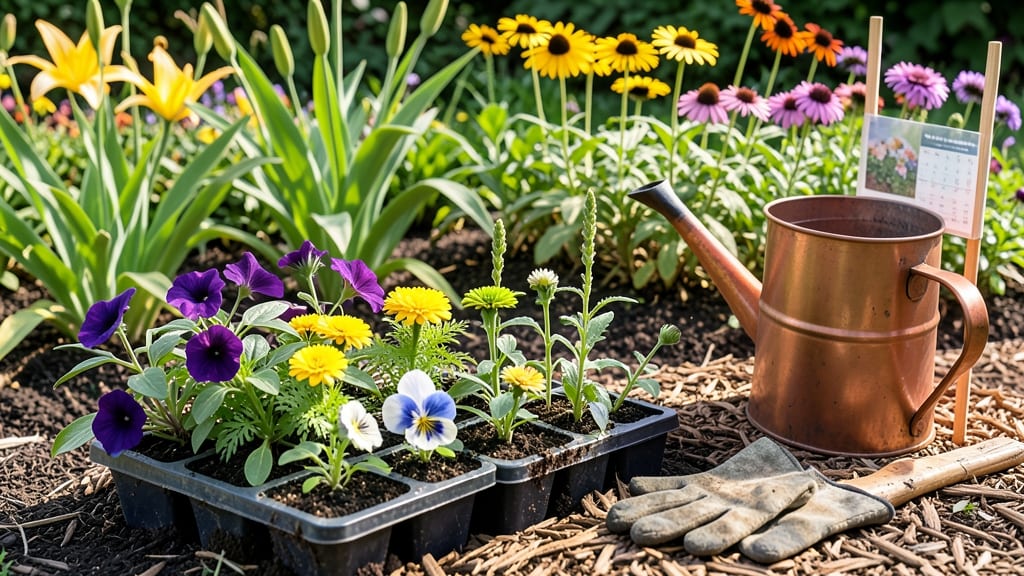
Timing your flower planting in New Jersey can make the difference between a garden bursting with 🌸 vibrant blooms and one that wilts before it even starts.
With frost dates that shift from mid-April in the north to late April in the south, knowing exactly when to plant is the key to success in zones 6a-7b.
Most gardeners in NJ wait until after the last frost—typically March to May—but the real secret lies in matching flower types to your specific microclimate.
Coastal areas like Cape May let you plant earlier, while inland regions near the Pine Barrens may need to hold off until soil warms to 60°F.
In this guide, I’ll break down the exact months for annuals, perennials, and bulbs, plus how to adjust for NJ’s unpredictable weather. Whether you’re dreaming of sunflowers or delicate petunias, these tips will help you avoid common mistakes and get your garden off to a flourishing start.
Let’s dive into the planting calendar that keeps your flowers thriving from spring through fall—no frost-related surprises included.
NJ flower planting calendar by month: frost dates & best varieties
New Jersey’s last average frost date hovers around April 15–May 1, but this varies wildly between North Jersey’s colder zones (6a) and South Jersey’s milder coastal areas (7b).
For zero-frost success, I’ve mapped out exact planting windows for annuals, perennials, and bulbs—plus the hardiest varieties that brave early spring or late fall. Skip the guesswork and plant when your flowers will thrive!
Pro tip: Use row covers or cold frames to extend your season by 2–3 weeks in high-risk areas like the Pine Barrens or Highlands.
Even in coastal Jersey City, where urban heat delays frost, tender annuals like petunias still need to wait until May 15 to avoid frost damage.
Below, I’ve broken down the best months for planting by flower type, including bulbs (March), perennials (April), and annuals (May). I’ve also flagged frost-sensitive varieties that should never hit the ground before Memorial Day—unless you’re using protection!
🌱
🌸 NJ Flower Planting Calendar by Month
| Month | Plant Type | Best Varieties | Notes |
|---|---|---|---|
| March | Bulbs | Tulips, Daffodils, Hyacinths | Plant 6 weeks before last frost (soil temp: 50°F+). |
| April | Perennials | Peonies, Coneflowers, Lavender | Wait until soil reaches 60°F; avoid soggy spring soil. |
| May | Annuals | Marigolds, Zinnias, Petunias | After last frost; use row covers if late frost risk. |
| August | Fall Bulbs | Crocuses, Snowdrops, Alliums | Plant 6–8 weeks before first frost (soil temp: 60°F). |
| September | Hardy Annuals | Pansies, Sweet Alyssum, Kale | Plant 4–6 weeks before first frost for winter color. |
🌡️ Pro Tip: Check your local NJ State Climate Office for real-time frost alerts—they update weekly!
For North Jersey gardeners (e.g., Bergen County), hold off until May 1 for tender annuals like geraniums or begonias. In South Jersey (e.g., Cape May), you can plant marigolds as early as April 20—but always monitor nighttime temps.
Even a 28°F dip can kill young seedlings!
If you’re starting seeds indoors, begin 8–10 weeks before your last frost (so February for North Jersey, January for South Jersey). Use grow lights to avoid leggy seedlings from weak winter sunlight.
My go-to varieties for early starts: coleus, snapdragons, and lobelia—they handle transplanting better than petunias.
Fall planting is just as critical! Bulbs like crocuses need to root before ground freezes, so aim for September 1–15. For annuals like pansies, wait until late August—they’ll bloom until Christmas if planted right.
Just avoid planting after September 15 unless you’re using heated planters or greenhouses.
🌿
One last tip: Soil temperature matters more than air temperature. Use a soil thermometer—if it’s below 50°F, wait. Cold soil slows root growth, leading to stunted, disease-prone plants. I’ve seen tulip bulbs rot in 40°F soil even when air temps were 55°F!
Now that you’ve got your planting timeline, mark your calendar for NJ’s average first frost (mid-October) and plan your fall bloomers accordingly. Next, we’ll dive into
How to adjust planting for NJ’s microclimates: coastal vs. inland zones
New Jersey’s diverse geography means your planting timeline should shift based on whether you’re in coastal Cape May, urban Jersey City, or the Pine Barrens. Coastal areas experience milder winters and earlier springs, while inland zones face colder nights and later frost risks.
For example, Jersey City’s urban heat island can let you plant marigolds 2–3 weeks earlier than in the cooler Pine Barrens.
Coastal regions like Atlantic City often see last frosts by April 1, while inland areas near Delaware Water Gap may wait until May 1. Even within 20 miles, these differences matter—especially for tender annuals like petunias or bulbs like tulips.
Here’s how to adapt your planting schedule based on your NJ zone:
| Zone | Last Frost | Planting Adjustment | Best Flowers for Zone |
|---|---|---|---|
| Coastal (Cape May, Atlantic City) | Early April | Plant annuals 2 weeks early (e.g., pansies in March) | Petunias, Snapdragons, Salt-tolerant Cosmos |
| Urban (Jersey City, Newark) | Mid-April | Use row covers for late frosts; plant perennials in March | Dahlias, Zinnias, Heat-loving Sunflowers |
| Inland (Pine Barrens, Delaware Water Gap) | Early May | Wait for soil at 60°F; avoid tender bulbs until May | Peonies, Lavender, Cold-hardy Lilacs |
For coastal gardens, salt tolerance is key—opt for cosmos or black-eyed Susans, which thrive in slightly salty soils. Inland areas benefit from mulching to protect roots from temperature swings, while urban gardens can leverage container planting to control microclimates.
Always check your local Cooperative Extension Service for real-time frost alerts. Even a single late frost can devastate early plantings, so when in doubt, wait 2 weeks longer for tender varieties like geraniums or impatiens.
Pro tip: Use frost cloth or straw mulch to extend your planting window by 2–4 weeks in high-risk zones. This simple trick can mean the difference between wilted seedlings and a blooming garden.