
Flowers
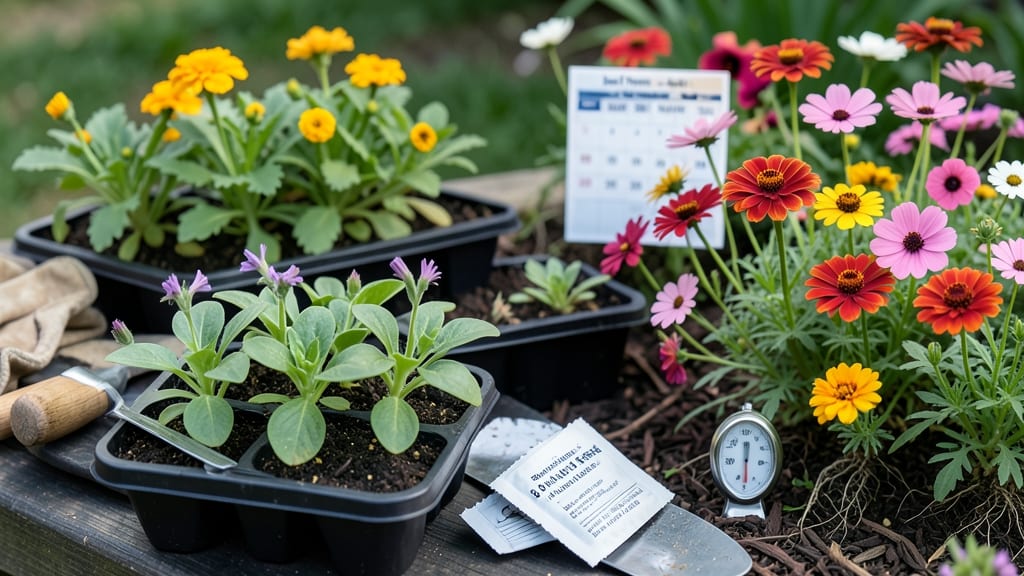
Timing when to plant the flowers in New York just right can mean the difference between a showstopping garden and a season of disappointment.
With frost dates shifting from April 15 in Zone 5a to April 1 in Zone 7b, getting the deadlines wrong could leave your blooms vulnerable to late cold snaps.
I’ve spent years testing planting windows across New York’s diverse zones, and what I’ve learned is that spring is your golden window—but not all flowers play by the same rules.
Annuals like marigolds and zinnias thrive when planted after the last frost, while hardy perennials like coneflowers can handle earlier starts if you’re in a warmer microclimate.
If you’re in Zone 5a-7b, you’ll want to know exactly when to plant for zero frost risk—whether you’re prepping for spring blooms in April-May or extending your season with fall favorites like mums. The key is balancing soil warmth, local weather patterns, and the specific needs of your flowers.
Let me walk you through the exact deadlines, zone-by-zone, so you can enjoy vibrant gardens from May to October without the guesswork. Ready to transform your garden into a year-round paradise?
New York’s planting zones: when to plant annuals vs. perennials by region
New York spans USDA Hardiness Zones 5a-7b, meaning frost dates vary dramatically from Upstate to NYC. In Zone 5a (northern NY), last frost typically hits April 15, while Zone 7b (Long Island) sees frost-free conditions by April 1.
These differences matter—planting petunias in Rochester too early risks frost damage, but waiting too late in Brooklyn cuts summer blooms short.
Annuals like marigolds and zinnias thrive when planted 2-4 weeks after last frost, while perennials such as coneflowers need 6-8 weeks of warm soil before emerging. Urban areas like NYC often experience microclimates—sidewalks and buildings can delay frost by 1-2 weeks compared to rural areas.
For spring planting, aim for mid-April to early May in most zones, but always check NOAA frost predictions or local nursery guidelines. Fall planting for cool-season flowers like pansies starts 8-10 weeks before first frost (typically mid-September in Zone 5a, early October in Zone 7b).
Here’s how to adjust for your region:
| Region | USDA Zone | Last Frost Date | Spring Planting Window | Fall Planting Window |
|---|---|---|---|---|
| Upstate (Albany, Syracuse) | 5a-6a | April 15–May 1 | Mid-May–June 1 | September 1–15 |
| NYC Metro (Bronx, Brooklyn) | 7a-7b | April 1–15 | Late April–May 10 | September 15–October 1 |
| Long Island (Hampton Bays) | 7b | March 25–April 10 | Early April–May 1 | September 30–October 15 |
Perennials like black-eyed Susans and bee balm can handle early spring planting (as soon as soil thaws), but tender annuals like geraniums need warmer soil temps (60°F+). Use a soil thermometer to confirm—cool soil slows germination and invites rot.
In Zone 5a, extend your season with row covers or cold frames for hardy annuals like snapdragons. For Zone 7b, prioritize heat-tolerant varieties (e.g., portulaca) to beat summer’s humidity. Always plant bulbs in fall (daffodils by October 15) for spring blooms.
Urban gardeners in NYC should note that concrete heat can push planting dates 1-2 weeks earlier than rural areas. Test your microclimate by planting fast-growing radishes as a frost indicator—if they thrive, your flowers likely will too.
Pro tip: Start seeds indoors 6-8 weeks before last frost for delicate annuals like petunias. Use grow lights to simulate 14-hour days—this jumpstarts growth and gives you a head start on the season.
Remember, New York’s weather is unpredictable. Always have a backup plan—whether it’s row covers, greenhouse setups, or slow-blooming varieties that tolerate cooler temps. With the right timing, your garden will bloom earlier and longer than your neighbors’!
Best flowers to plant in New York by season: frost-resistant picks and deadline cheat sheet
New York’s diverse climate zones mean your flower choices should match the season. Spring bloomers like tulips and dahlias thrive after the last frost, while mums and asters shine in fall. Let’s break down the best picks and their planting deadlines by season to keep your garden blooming all year.
For spring planting, focus on cold-hardy annuals like pansies and snapdragons. These can handle light frosts and brighten up early gardens. Perennials like peonies and daylilies also do well when planted in early spring (March-April) or early fall (September) for established root growth before winter.
🌸 Seasonal Flower Planting Deadlines in New York
🌷 Spring Bloomers
- Tulips: Plant bulbs October-November for spring blooms.
- Pansies: Direct sow March-April after last frost.
- Dahlias: Start tubers indoors February or plant outdoors May.
🍂 Fall Bloomers
- Mums: Plant August-September for fall color.
- Asters: Sow seeds April-May or transplant August.
- Marigolds: Direct sow May-June or August for late blooms.
☀️ Summer Heat-Tolerant Picks
- Zinnias: Sow May-June after soil warms.
- Lantana: Plant May in full sun.
- Sunflowers: Direct sow May-June for summer blooms.
Don’t overlook container gardening for NYC’s urban heat islands. Heat-tolerant varieties like portulaca and geraniums thrive in pots and can be planted May-June when nighttime temps stay above 50°F. These options extend your blooming season into early fall.
For fall planting, prioritize cool-season flowers like calendulas and stock. These can handle light frosts and even bloom into winter if planted 8-10 weeks before your first frost. Check your local USDA zone—Zone 5 areas (Upstate NY) have earlier frosts than Zone 7 (Long Island).
Pro tip: Use mulch to protect tender roots during late-season frosts. A 2-inch layer of straw or shredded leaves can make all the difference for fall-planted annuals like snapdragons or stock. Even a light frost won’t kill them if their roots stay warm.