
Flowers
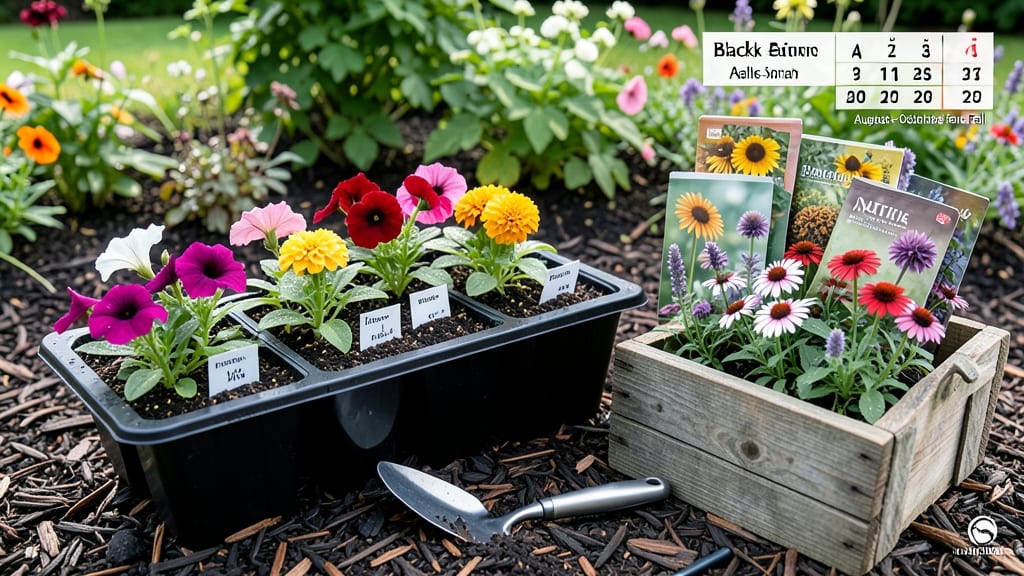
When to plant flowers in Arkansas at the right time means the difference between a vibrant garden and a sad, frost-nipped disappointment. Miss the window, and you’ll either be racing against spring freezes or wilting under summer’s brutal heat—neither scenario ends well for your blooms.
Here’s the good news: Arkansas’s 7a-8b zones give you two prime planting seasons—early spring and early fall—when temperatures and soil conditions align perfectly. But getting it wrong can mean waiting months for color or losing delicate plants to unexpected cold snaps.
I’ll break down the exact deadlines for your region, from Little Rock’s last frost dates to Texarkana’s heat thresholds, so you can plant with confidence. Whether you’re dreaming of spring pansies or fall mums, these zone-specific tips will help you avoid common mistakes and extend your blooming season.
Ready to transform your yard into a year-round floral paradise? Let’s dive into the science of planting flowers 🌸 at the perfect moment—no guesswork required.
Arkansas flower planting deadlines by USDA Zone (7a, 7b, 8a)
Arkansas spans USDA Zones 7a through 8b, meaning frost dates vary dramatically between northern and southern regions. In Zone 7a (e.g., Fayetteville), the average last frost date is March 15, while Zone 8b (e.g., Texarkana) sees frost-free conditions by February 28.
These differences mean your planting timeline should shift 2-3 weeks depending on location.
For annual flowers, aim to plant 2-4 weeks after your region’s last frost date. Perennials like coneflowers or black-eyed Susans can handle early spring planting (mid-March in Zone 7a), but tender annuals like marigolds need warmer soil (at least 60°F) to thrive.
Fall planting is equally critical—cool-season annuals like pansies should go in September-October, while bulbs like tulips need 6-8 weeks before first frost (plant by October 15 in Zone 7a).
Here’s how your Arkansas region breaks down for key planting windows:
| Region & Zone | Last Frost Date | Spring Planting Window | Fall Planting Window | Key Flowers |
|---|---|---|---|---|
| Northern AR (Zone 7a) | March 15 | April 15–May 1 | September 15–October 15 | Pansies, Snapdragons, Dahlias |
| Central AR (Zone 7b) | March 1 | March 25–April 15 | September 1–October 1 | Marigolds, Zinnias, Petunias |
| Southern AR (Zone 8a-8b) | February 28 | March 1–March 15 | August 15–September 15 | Sunflowers, Cosmos, Lantana |
*Adjust for microclimates (e.g., valleys frost later than hills).
Pro tip: Use soil thermometers to confirm 60°F+ soil temps before planting warm-season annuals. In Zone 7a, this often means waiting until mid-April for heat-lovers like zinnias or marigolds.
For bulbs like tulips or daffodils, plant in October (Zone 7a) or November (Zone 8b) to ensure roots establish before winter. Perennials like black-eyed Susans can handle early spring planting, but tender perennials (e.g., canas) need to wait until after May 1.
Watch for unpredictable late frosts, especially in Zone 7a. I’ve seen April frosts delay planting by 2 weeks—always have row covers ready. In Zone 8b, fall planting can extend into early November for cool-season crops.
Remember: Arkansas’s humidity affects planting too. Succulents and cacti need well-draining soil to avoid root rot, while tropical flowers like hibiscus thrive in partial shade during summer’s 90°F+ heat.
Start with fast-growing annuals like marigolds or cosmos to test your soil and microclimate. These heat-tolerant picks bloom quickly, giving you instant feedback on your planting timing.
Best flowers to plant in Arkansas by season (cool vs. warm-season varieties)
Arkansas’s two distinct growing seasons mean you can’t plant just any flower at any time. Cool-season varieties like pansies and snapdragons thrive in spring’s mild temps, while zinnias and marigolds wait for summer’s warmth.
Mixing them up without planning leads to flops—like planting heat-loving petunias in March or frost-sensitive geraniums in October.
Here’s the breakdown: Cool-season flowers (plant February–April) handle Arkansas’s 30–50°F nights, while warm-season blooms (plant May–June) need soil temps above 60°F. I’ll show you which flowers fit each window—and how to transition between seasons without gaps in color.
🌱 Pro Tip: Use row covers to extend cool-season planting by 2–4 weeks if frost threatens. For warm-season flowers, wait until after May 15 in northern Arkansas to avoid late frosts.
| Season | Best Flowers | Planting Time | Key Notes |
|---|---|---|---|
| Cool | Pansies, Snapdragons, Sweet Alyssum, Calendula | Feb–April (after last frost) | Tolerate 32–50°F nights; great for spring color. |
| Warm | Zinnias, Marigolds, Petunias, Sunflowers | May–June (soil 60°F+) | Need full sun; avoid planting before May 15 in Zone 7a. |
| Fall | Mums, Asters, Cosmos, Salvia | Aug–Sept (6–8 weeks before first frost) | Cool-season but heat-tolerant; plant early for fall blooms. |
| Perennials | Black-Eyed Susans, Coneflowers, Daylilies | March–April or Sept–Oct | Establish roots in spring/fall; low-maintenance for years. |
For continuous blooms, pair cool-season pansies (plant in February) with zinnias (plant in May). This ensures color from March through October—no boring gaps! Just avoid mixing frost-sensitive geraniums with heat-loving petunias in the same bed.
Need a low-maintenance option? Perennials like coneflowers planted in spring or fall return year after year, while annuals like marigolds self-seed for next season if left standing. My favorite trick? Plant calendula in March and cosmos in August—they bridge the summer transition seamlessly.
🌿 Remember: Arkansas’s humidity can stress heat-loving flowers. Mulch with straw to retain moisture and prevent fungal issues in summer.