
Vegetables
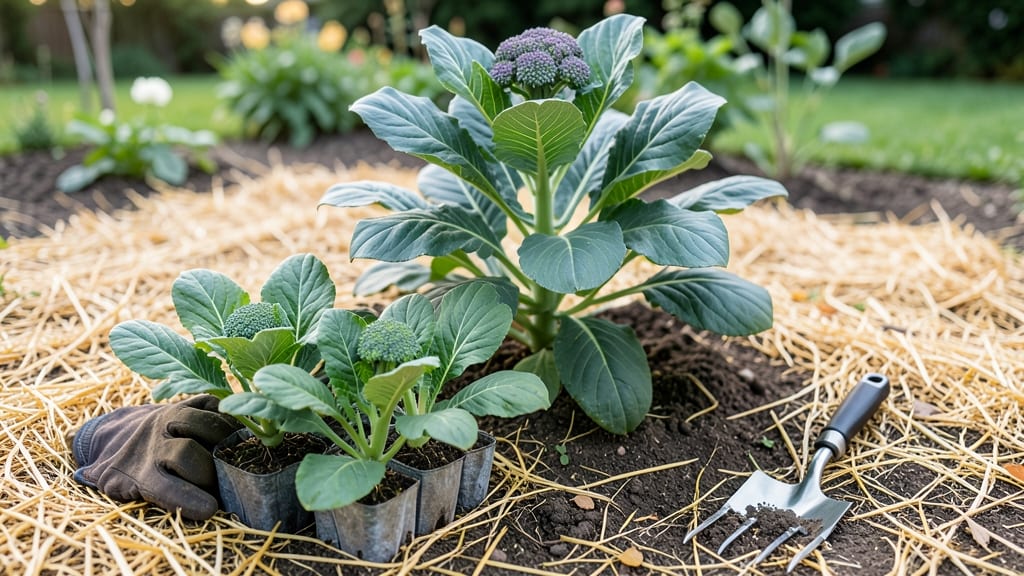
Timing your fall vegetable planting in Virginia can mean the difference between a bountiful harvest and wasted effort. With USDA zones 6a-8a offering a longer growing window than many regions, you’ve got a prime opportunity—but only if you plant at the right moment. One week too early, and your broccoli bolts before frost; one week too late, and your kale freezes before you can enjoy it.
I’ve spent years perfecting the schedule for 🥬 fall vegetables in Virginia, and the key is understanding your zone’s first frost date. While Zone 6a gardeners might start as early as mid-August, those in Zone 8a can push planting into early October.
The goal? Get seeds in the ground 4-6 weeks before frost—so your greens mature just as temperatures dip.
This isn’t just about throwing seeds in the dirt and hoping for the best. It’s about strategy: knowing which crops thrive in Virginia’s mild autumn, like cold-hardy kale or sweet carrots, and when to transplant delicate seedlings like broccoli.
I’ll break down the exact deadlines by zone, plus pro tips to stretch your harvest through winter.
Ready to turn your Virginia garden into a fall feast? Let’s dive into the zone-specific deadlines that’ll have you harvesting until the first snowflakes—and maybe even beyond.
Virginia’s fall planting deadlines by Zone (6a vs 7b)
Virginia’s fall planting window hinges on first frost dates and heat unit accumulation, with Zone 6a (cooler) and Zone 7b (warmer) requiring slightly different timing. In Zone 6a, the average first frost arrives by mid-October, while Zone 7b typically sees frost mid-November.
To ensure your fall crops mature before frost, aim to plant 4-6 weeks before these dates—usually between late July and early September for most vegetables.
For frost-sensitive crops like tomatoes, peppers, and basil, your last planting window is early August in Zone 6a and mid-August in Zone 7b. These plants need 90-120 days to mature, so timing is critical.
Meanwhile, cold-hardy crops like kale, spinach, and carrots can handle cooler temps and can be sown as late as mid-September in both zones.
Use this rule of thumb: Count backward from your frost date by the number of days each crop needs to mature. For example, if your Zone 6a frost date is October 15 and you’re growing broccoli (which needs 60 days), plant by August 15.
Miss this window, and your broccoli may bolt or freeze before harvest.
Here’s how Virginia’s USDA Zones 6a and 7b differ in key metrics:
| Zone | Avg. First Frost | Last Planting Window | Cold-Hardy Crops | Heat-Loving Crops |
|---|---|---|---|---|
| 6a | Mid-October | Late July–Early Sept | Kale, Spinach, Carrots | Tomatoes, Peppers, Basil |
| 7b | Mid-November | Early August–Mid-Sept | Lettuce, Radishes, Brussels Sprouts | Green Beans, Cucumbers, Eggplant |
Pro tip: Use heat unit calculators (like those from Virginia Cooperative Extension) to fine-tune your planting schedule. These tools account for daytime highs and nighttime lows, giving you a more precise window than frost dates alone.
For example, Zone 6a’s cooler nights may require planting 1-2 weeks earlier than Zone 7b for the same crop.
Succession planting is your secret weapon in Virginia’s fall garden. Instead of sowing all your lettuce or radishes at once, stagger plantings every 10-14 days from mid-August to mid-September. This ensures a continuous harvest and maximizes your garden’s productivity before frost sets in.
Don’t overlook soil temperature—cold soil slows germination. Aim for soil temps above 50°F (10°C) for most fall crops. In Zone 6a, this might mean waiting until late July for warm-season crops, while Zone 7b can start earlier. Use a soil thermometer to check before planting.
Common mistake alert: Planting cool-season crops too early in summer heat. If you sow spinach or peas in June, they’ll bolt or struggle. Wait until late July for Zone 6a or early August for Zone 7b to avoid this pitfall.
For transplants (like broccoli or cabbage), buy smaller, sturdier plants in late summer. Larger transplants struggle to establish roots before frost. Look for 6-8 week old seedlings from local nurseries, and harden them off for 3-5 days before planting.
Plan ahead for harvest timing: Most fall crops take 45-90 days to mature. If your Zone 6a frost date is October 15, a 75-day crop (like carrots) must be planted by August 1. Use this harvest timeline to map your fall garden:
By aligning your planting with Virginia’s zone-specific deadlines, you’ll avoid the heartbreak of frost-damaged crops or bolted greens. Start with one or two test crops this fall—like ‘Winterbor’ kale or ‘Nantes’ carrots—to practice timing before expanding your garden next year.
Virginia’s fall planting deadlines by Zone (6a vs 7b)
Understanding your USDA zone is the first step to nailing fall vegetable planting in Virginia. While Zone 6a (northwest mountains) faces its first frost around mid-October, Zone 7b (Tidewater/coastal) often holds off until late November.
This 4-6 week difference means your planting window shifts dramatically—Zone 6a gardeners should start by mid-August, while Zone 7b can wait until early October.
The golden rule? Plant 4-6 weeks before your average first frost to ensure harvests before winter sets in. For example, if your frost date is October 15th, aim to sow by September 1st.
This timing works for most cool-season crops like broccoli, carrots, and spinach, but delicate plants like tomatoes need even earlier starts.
🌱 Here’s the zone-by-zone breakdown for critical planting deadlines:
| Zone | First Frost Date | Last Planting Window | Heat Units Needed |
|---|---|---|---|
| 6a (e.g., Roanoke) | Mid-October | August 15–September 15 | 1,200–1,500°F |
| 7a (e.g., Charlottesville) | Late October | August 30–October 1 | 1,400–1,700°F |
| 7b (e.g., Norfolk) | Late November | September 15–October 15 | 1,600–1,900°F |
Pro tip: Use a heat-unit calculator (like the one from Virginia Cooperative Extension) to fine-tune your schedule. For example, ‘Winterbor’ kale needs 1,400°F to mature, while ‘Sweet Crisp’ carrots thrive with 1,200°F. Planting too early risks bolting (premature flowering), while late planting may leave crops stunted.
For transplants (like broccoli or cabbage), start seeds indoors 6-8 weeks before your zone’s last planting date. For direct-sown crops (like peas or spinach), you can push planting closer to frost—even 2-3 weeks before for cold-hardy varieties. Just remember: soil temperature matters. Aim for 50–60°F for most fall crops.
✂️ Miss the deadline? Don’t panic. Cold-hardy crops like kale, spinach, and carrots can handle light frosts. Use row covers or cold frames to extend harvests by 2-3 weeks. I’ve had ‘Red Russian’ kale survive until December in Zone 7b with just a simple hoop tunnel!