
Plants
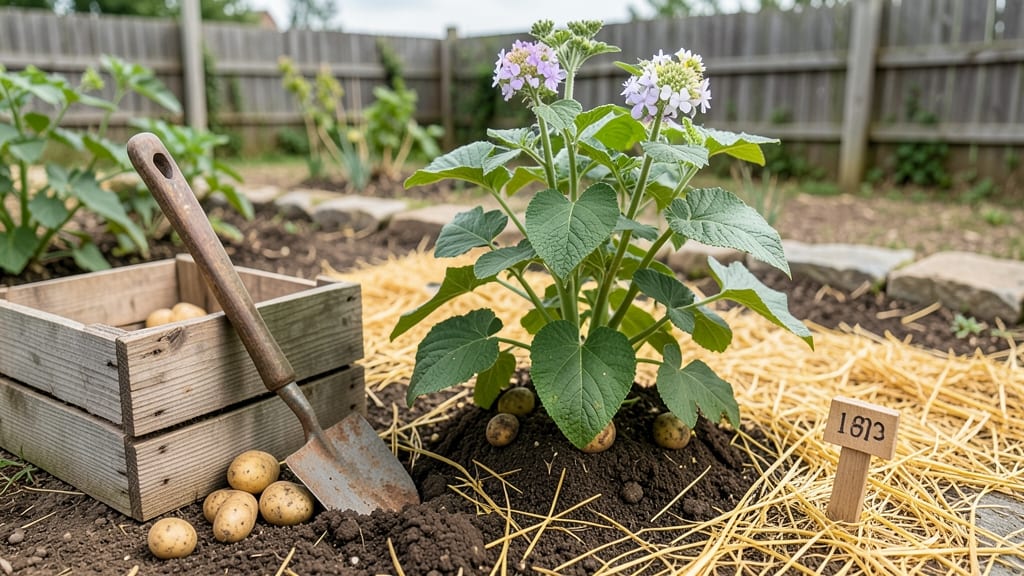
Timing when to plant fall potatoes in Zone 8 isn’t just about the calendar—it’s about beating the clock before frost ruins your harvest. Plant too early, and you’ll risk bolting (those unwanted flowers). Too late, and your tubers won’t mature before winter’s chill sets in.
In Zone 8, the 4-6 week window before first frost is your golden opportunity. That means late August to early September for most areas, but coastal spots might stretch it a little longer.
The key? Choosing the right variety and prepping soil that’s warm enough to encourage root growth without overheating.
I’ve grown fall potatoes in Zone 8 for years, and I’ll show you exactly how to nail the timing—plus how to adjust for your microclimate.
Whether you’re in Southern California’s mild coastal zones or the hotter inland valleys, these tips will help you avoid common pitfalls and dig up a harvest that rivals spring plantings.
Ready to turn your garden into a potato powerhouse? Let’s get into the exact schedule that’ll have you harvesting 100-120 days later, just as winter rolls in.
Optimal fall potato planting timeline in Zone 8: weeks before frost by variety
Zone 8’s mild winters and long growing season make fall potatoes a fantastic choice—but timing is critical. Plant too early, and your potatoes bolt (flower prematurely). Too late, and they won’t mature before frost.
The ideal window is 4-6 weeks before your first frost, typically between mid-August and early September in most of Zone 8.
Your last frost date (usually mid-November) dictates everything. Count backward 100-120 days (harvest time) to land on your planting date. For example, if frost hits November 15, aim to plant by August 15 for a 105-day variety like Yukon Gold.
Not all potato varieties thrive in short-day fall conditions. Early-maturing varieties (70-90 days) are your best bet. These include Red LaSoda (80 days), Yukon Gold (90 days), and Red Pontiac (85 days). Avoid long-season varieties like Russet Burbank (120+ days), which won’t finish in time.
Soil temperature is just as critical as air temperature. Potatoes need 45-65°F soil to sprout. In Zone 8’s heat, soil can stay too warm in late summer. Wait until soil cools to 60°F or below—usually late August in inland areas or early September near coasts.
Here’s your exact planting schedule based on variety and frost date:
| Variety | Days to Maturity | Planting Window (Zone 8) | Notes |
|---|---|---|---|
| Red LaSoda | 80 days | Late August – Early September | Dwarf variety; great for containers |
| Yukon Gold | 90 days | Mid-August – Late August | Buttery flesh; needs consistent moisture |
| Red Pontiac | 85 days | Late August – Early September | Rust-resistant; stores well |
| Fingerling (e.g., 'Adirondack Blue') | 75 days | Early September – Mid-September | Heat-tolerant; plant later for fall |
Pro tip: Use black plastic mulch to warm soil faster in cooler microclimates. Lay it down 1-2 weeks before planting to accelerate sprouting. In hot inland areas, opt for white mulch or shade cloth to prevent soil overheating.
Once planted, hill soil around stems every 2-3 weeks to encourage more tuber formation. Stop hilling 4-6 weeks before harvest to avoid damaging tubers. For a second crop, plant fingerlings in late September—they mature faster and tolerate cooler temps.
Watch for early bolting signs like tall stems or flower buds. If caught early, prune back foliage to 6 inches and shade plants with 30% shade cloth to slow flowering. This buys you 2-3 extra weeks of tuber growth.
Harvest when foliage fully yellows and dies back. Dig carefully with a fork to avoid puncturing tubers. Cure harvested potatoes in a dark, 50-60°F space for 1-2 weeks to thicken skins and improve storage life.
How to adjust planting dates for Zone 8’s microclimates (coastal vs. inland)
Zone 8 isn’t one-size-fits-all—coastal areas like San Diego and inland valleys such as Phoenix have wildly different frost timelines. Coastal regions often enjoy 10–14 extra frost-free weeks compared to inland zones, meaning your planting window shifts dramatically.
For example, inland Zone 8b (first frost November 15) may need potatoes in the ground by mid-August, while coastal Zone 8a (first frost December 15) can wait until late September.
Soil temperature is your true north for timing. Potatoes thrive when soil reaches 45°F (7°C)—cooler than air temps suggest. Use a soil thermometer to confirm readiness; inland areas often hit this mark 2 weeks earlier than coastal zones due to faster cooling.
Pro tip: Warm soil faster with black plastic mulch if you’re planting early inland.
Water needs also diverge sharply. Coastal areas with humid microclimates (e.g., Santa Barbara) may require less frequent irrigation (every 7–10 days) once established, while inland desert zones (e.g., Tucson) demand daily watering until roots establish.
Overwatering in humid zones risks blight, while underwatering inland leads to shriveled tubers.
| Microclimate | First Frost | Planting Window | Soil Temp Goal | Watering Adjustment |
|---|---|---|---|---|
| Coastal (e.g., San Diego) | Dec 15 | Late Sept–Oct | 45°F (7°C) | Every 7–10 days |
| Inland Desert (e.g., Phoenix) | Nov 1 | Mid-Aug–Sept | 50°F (10°C) | Daily until roots establish |
| Valley (e.g., Sacramento) | Nov 15 | Late Aug–Sept | 48°F (9°C) | Every 5–7 days |
Extend your inland growing season with row covers or cold frames to push harvests into December. These tools add 4–6°F protection, letting you plant 2–3 weeks later without bolting risks.
Coastal gardeners can use shade cloth (30%) to prevent heat stress in September, when temps still flirt with 90°F.
For high-altitude Zone 8 (e.g., Flagstaff, AZ), subtract 1 week from inland timelines—cooler nights accelerate tuber formation. Always test your local frost date using the USDA Plant Hardiness Zone Map and adjust by 2–3 weeks for potatoes’ 100–120-day growth cycle.
Pro move: Plant a test row 2 weeks early to gauge your microclimate’s true frost date. If the test row thrives, you’ve got flexibility to delay other plantings.
Coastal gardeners can even try winter potatoes (planting in December) under row covers for a spring harvest—just aim for 70-day varieties like ‘Red LaSoda’.