
Plants
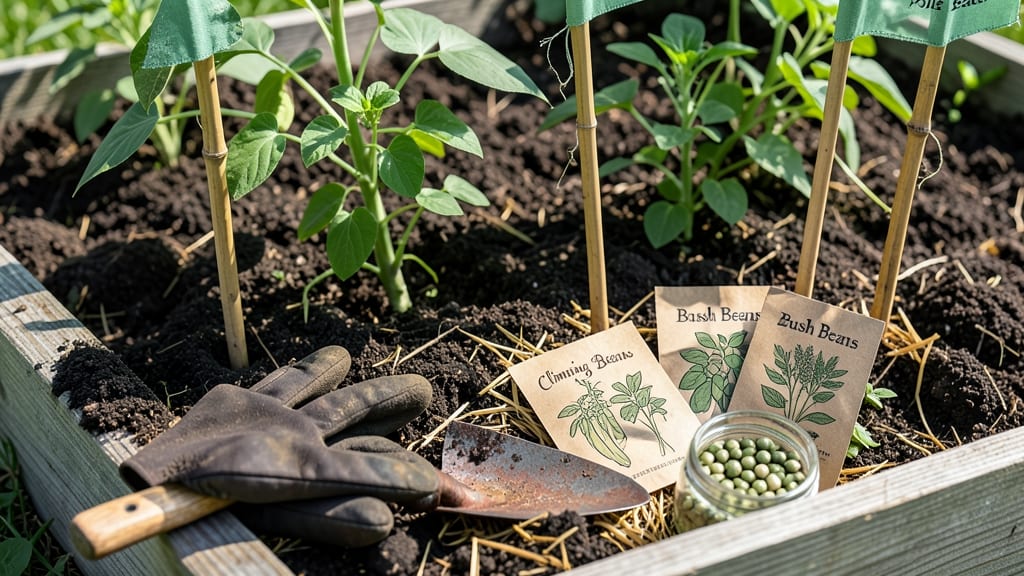
When to plant fall green beans in Missouri isn’t just about the calendar—it’s about avoiding bitter pods or wasted seeds. Plant too early, and your beans will bolt before frost; too late, and you’ll miss the harvest window entirely. The 5b-6b zone gives you a narrow but critical window to get it right.
Most gardeners in Missouri aim for late August to early September when soil temps hit 55°F+—but that’s just the start. Your exact deadline depends on your variety, frost dates, and even daylight hours. Skip the guesswork and learn the zone-specific deadlines that separate a successful harvest from disappointment.
Why does this matter? Because 55 days to maturity isn’t just a number—it’s your ticket to crisp, flavorful pods in October. We’ll break down how to read frost forecasts, pick the right varieties, and extend your season without risking bolting or frost damage.
Ready to turn your Missouri garden into a green bean goldmine? Let’s dive into the exact timing and strategies that’ll keep your plants happy until the first hard freeze—without the trial-and-error.
Missouri’s fall green bean planting deadlines by hardiness Zone (5a-6b)
Missouri’s USDA Zones 5a-6b create distinct windows for fall green bean planting. The key is timing 75-100 days before your first frost, but soil temperature matters just as much. In Zone 5a, aim for planting by September 15—any later risks immature pods before frost.
Meanwhile, Zone 6b gardeners have until September 15 but must account for earlier frost dates.
Your last planting deadline depends on your zone’s average frost date and the maturity days of your chosen variety. For example, ‘Blue Lake’ (58 days) needs planting by August 15 in Zone 5a but can stretch to September 1 in Zone 6b.
Always verify your local frost date—Missouri’s can vary by 7-10 days year to year.
Soil temperature is non-negotiable: seeds won’t germinate below 55°F. Use a soil thermometer to confirm warmth before planting. In Missouri, soil temps drop below this threshold by mid-October, so late plantings risk stalled germination. Pro tip: Warm soil faster with black plastic mulch if you’re pushing the deadline.
Here’s your zone-specific planting timeline for fall green beans, accounting for both frost dates and soil warmth:
| Zone | Last Planting Date | First Frost Date | Soil Temp Threshold | Example Variety |
|---|---|---|---|---|
| 5a | September 15 | October 15 | 55°F+ | ‘Kentucky Wonder’ (60 days) |
| 5b | September 1 | October 1 | 55°F+ | ‘Blue Lake’ (58 days) |
| 6a | September 15 | September 25 | 55°F+ | ‘Provider’ (55 days) |
| 6b | September 15 | September 15 | 55°F+ | ‘Contender’ (50 days) |
Missouri’s northern zones (5a/5b) face tighter deadlines because frost arrives earlier. If you’re in Zone 5a, prioritize fast-maturing varieties (50-55 days) like ‘Contender’ or ‘Blue Lake’ to squeeze in a harvest before frost.
In southern zones (6a/6b), you have flexibility to try two plantings: one in early August and another in early September for a staggered harvest.
Don’t assume your last frost date is fixed—check your local Almanac or weather service for updates. For example, Columbia (Zone 6b) averages frost by September 20, while Kansas City (Zone 6a) sees frost by September 25.
These 5-day differences can mean the difference between a successful harvest and wasted seeds.
If you’re unsure about your zone, use the Missouri Botanical Garden’s interactive map to pinpoint your exact location. Even within 50 miles, frost dates can shift by 3-5 days. For example, St. Louis (Zone 6b) might have a 5-day later frost than nearby Jefferson City (Zone 6a).
Pro tip: Plant ‘Provider’ beans if you’re in Zone 6a/6b—this variety tolerates cooler temps and can produce pods even when nights dip to 40°F. Pair it with row covers to push harvests into November, but avoid planting after September 20—soil cools too quickly for germination.
Missouri’s fall daylight decline also affects green beans. Shorter days trigger bolting (premature flowering), so plant after August 15 to avoid this. For Zone 5a, aim for late August to balance daylight and frost risk.
In Zone 6b, you can extend to early September but monitor soil temps closely.
5 Critical factors that determine your exact planting window
Missouri’s fall frost dates set the outer limit, but your local microclimate and green bean variety fine-tune the exact window. For example, Zone 5b gardeners have until September 15 for most varieties, but early-maturing types like ‘Contender’ can stretch that to September 30.
Here’s how to calculate your perfect deadline.
First, check your last frost date—Missouri’s ranges from October 15 (Zone 5a) to September 15 (Zone 6b). Green beans need 75–100 days to mature, so count backward from frost.
But don’t stop there: soil temperature below 55°F stalls germination, and daylight hours shorten after the equinox, slowing growth. Combine these factors to avoid bolting (premature flowering) or frost damage.
Visual Element: Numbered Highlights
Missouri’s northern vs. southern split also matters. In Zone 5a, aim for August 1–15 to harvest before October 15 frost, while Zone 6b can push to September 1–15.
Use row covers to extend harvests by 2–3 weeks in cooler zones, but avoid planting after September 20—even warm soil won’t save late starts from early October frosts.
Pro tip: Stagger plantings every 10–14 days for a continuous harvest. For example, plant ‘Blue Lake’ (60 days) on August 15 and September 1 to cover both early and late frosts. Track your local weather (like Missouri Climate Center data) to adjust—some years, September heat waves push deadlines later!
Finally, soil prep isn’t optional. Green beans thrive in well-draining, slightly acidic soil (pH 6.0–7.0). Add compost 2 weeks before planting to boost nutrients, and mulch with straw to retain warmth.
Skip the nitrogen-heavy fertilizer—it encourages leafy growth over pods. Instead, use a balanced 5-10-10 blend at planting time.
Missouri’s fall green bean success hinges on these 5 factors. Master them, and you’ll enjoy crisp, tender pods straight from your garden until November’s first hard frost. Start with your zone’s deadline, then tweak for soil, variety, and weather—your harvest depends on it! 🌱