
Planting
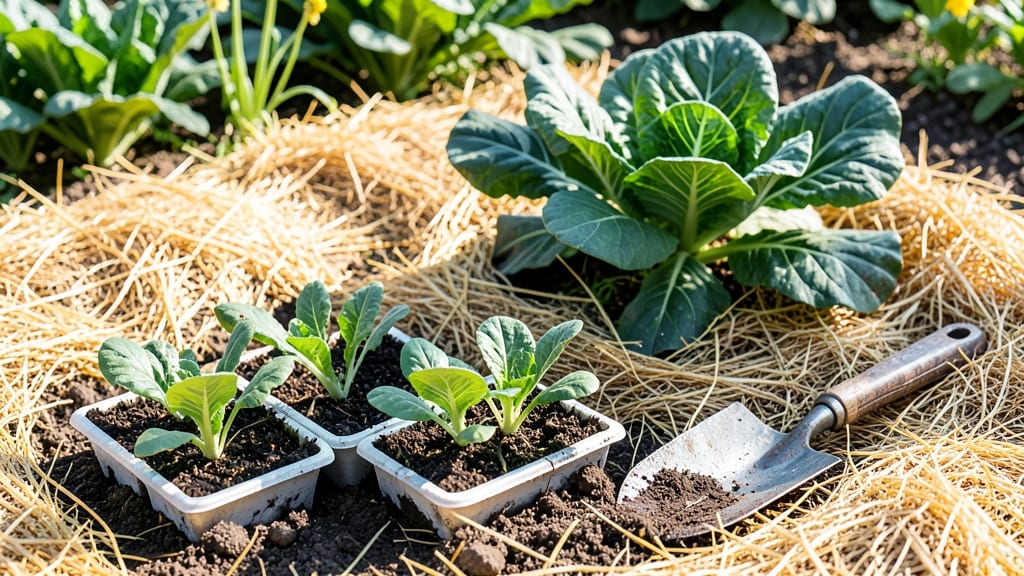
Timing when to plant a fall garden in Louisiana isn’t just about avoiding frost—it’s about beating the heat while the soil’s still warm enough to grow.
With Louisiana’s humid subtropical climate, planting too early means wilting leaves and pest attacks, while waiting too long risks stunted crops before winter sets in. The sweet spot? A 6-8 week window before your first frost, but the exact timing depends on what you’re growing.
Most Louisiana gardeners start in late August, when daytime highs dip below 90°F but nights stay mild enough for seedlings to thrive. Heat-loving crops like okra and sweet potatoes can handle summer’s lingering warmth, while leafy greens need cooler September soil to avoid bolting.
The key is matching your 🥬 varieties to the week’s forecast—because a 10°F swing can mean the difference between a harvest and a write-off.
Here’s where it gets tricky: Hurricane season doesn’t end until November, so soil prep and succession planting become your best defenses. We’ll break down the exact weeks to plant for maximum yield, plus which crops to prioritize based on your zone (8a-9b).
Skip the guesswork and grow a fall garden that outlasts the heat—and the hurricanes.
Ready to turn Louisiana’s long growing season into your advantage? Let’s dive into the week-by-week schedule that’ll keep your garden productive until December—and maybe even beyond the first frost.
Louisiana fall planting schedule by exact week (heat-resistant crops only)
Louisiana’s humid subtropical climate demands precise timing for fall gardens—plant too early, and you’ll face heat stress; too late, and frost cuts your harvest short. The key? Start sowing heat-resistant crops 6-8 weeks before your first frost (typically mid-October for North Louisiana and late October for South Louisiana).
Here’s your week-by-week breakdown for USDA Zones 8a-9b, tailored to Louisiana’s unique growing conditions.
For North Louisiana (Zones 8a-8b), where nights cool faster, begin planting late August for slow-growing crops like collards and turnips. In South Louisiana (Zones 9a-9b), where heat lingers longer, delay until early September to avoid bolting in heat-sensitive greens.
Always check your local first frost date—Louisiana’s can vary by 1-2 weeks between regions.
Here’s your heat-resistant crop schedule, optimized for Louisiana’s long growing season and high humidity. Use this as your planting roadmap to maximize yields before winter sets in.
Louisiana Fall Planting Timeline
| Week of Planting | North Louisiana (Zones 8a-8b) | South Louisiana (Zones 9a-9b) | Crops to Plant | Notes |
|---|---|---|---|---|
| Late August | ✅ Start now | ⚠️ Wait until early Sept | Okra, Sweet Potatoes, Malabar Spinach, Black-Eyed Peas | Direct sow; heat-tolerant varieties only |
| Early September | ✅ Ideal window | ✅ Start now | Tomatoes (heat-resistant), Peppers, Eggplant, Cowpeas | Transplant seedlings; mulch heavily |
| Mid-September | ✅ Last chance for fast growers | ✅ Last chance | Green Beans, Carrots, Radishes, Lettuce (heat-tolerant) | Use shade cloth for greens; avoid bolting |
| Late September | ⚠️ Risky for most | ⚠️ High risk | Collards, Turnips, Mustard Greens, Broccoli Rabe | Choose fast-maturing varieties; protect from pests |
| Early October | ❌ Too late for most | ❌ Avoid | Spinach, Kale, Cabbage (slow growers) | Only for microgreens or container gardening |
🌡️ Pro Tip: Monitor soil temps—keep above 60°F for germination. Use a soil thermometer to avoid cold soil delays.
Why these exact weeks? Louisiana’s humidity and heat can stall germination if planted too early.
For example, okra and sweet potatoes thrive when soil temps stay above 70°F, while collards need cooler nights (65°F) to sweeten properly. South Louisiana’s later start prevents bolting in greens, which turns bitter leaves in 90°F+ heat.
For succession planting, sow fast-maturing crops like radishes or bush beans every 2 weeks after your initial planting. This ensures a continuous harvest until first frost. In North Louisiana, aim for October 15 as your last sow
5 Heat-resistant fall vegetables that thrive in Louisiana’s late summer
Louisiana’s sweltering late summer can wilt traditional cool-season crops, but these five heat-loving vegetables thrive when others fail. I’ve grown them in USDA Zones 8a-9b for years, and they consistently deliver high yields even as temperatures hover in the 90s°F.
The secret? Choosing varieties bred for humid subtropical climates and using mulch to retain moisture while keeping roots cool.
First up: Malabar spinach (not true spinach but a heat-tolerant vine). It’s my go-to for August plantings because it flourishes in full sun and tastes better after heat stress. Just give it trellis support—it’ll climb like a champ.
Pair it with okra, another late-summer powerhouse that loves the heat and produces pods until first frost. Both are drought-resistant once established, making them perfect for Louisiana’s unpredictable September rains.
Next, sweet potatoes—yes, they’re technically a tuber, not a vegetable, but they’re a fall garden staple in the South. Plant slips mid-August for a harvest by October. The key? Loose, sandy soil (amend clay with compost) and consistent watering—drought stress leads to small, misshapen tubers.
I swear by the Beauregard variety for its disease resistance and sweet flavor.
For something fast and easy, try black-eyed peas (cowpeas). These legumes fix nitrogen in the soil while thriving in heat. Sow seeds late July to early September for a harvest before winter.
They’re pest-resistant and self-pollinating, so you won’t waste time hand-pollinating. Plus, they’re edible pods and all—double the harvest!
Last but not least: collard greens. While they’re a cool-season classic, certain varieties like Georgia Southern handle light frost and late-summer heat. Plant seeds late August for baby leaves by October or full-size greens by November.
The trick? Shade cloth (30-50%) if temps hit 100°F+ to prevent bolting. Mulch heavily to keep roots cool and soil moist.
🌱 Pro Tips for Louisiana’s Heat-Resistant Fall Crops
- 🌿 Mulch with straw (3-4 inches) to retain moisture and suppress weeds—critical in Louisiana’s humid climate.
- ☀️ Use shade cloth (30-50%) for leafy greens when temps exceed 95°F to prevent bolting.
- 💧 Water deeply in the morning (1-2 inches/week) to avoid fungal diseases like powdery mildew.
- 🌱 Succession plant every 2-3 weeks for a continuous harvest—especially for okra and black-eyed peas.
- 🛠️ Test soil pH (aim for 6.0-6.8)—Louisiana’s clay-heavy soils often need lime or sulfur adjustments.
These five crops outperform traditional fall veggies because they’re bred for heat and humidity. My biggest harvests come from Malabar spinach and sweet potatoes—both store well and tolerate Louisiana’s late-season hurricanes better than delicate greens.
Start with one variety per bed to monitor performance, then expand next year. The key is patience: let them adapt to the heat before expecting a harvest.
One more thing: companion planting works wonders here. Pair okra with collards to repel pests, and interplant sweet potatoes with black-eyed peas to improve soil fertility. It’s like a symbiotic party in your garden bed! 🌱