
Plants
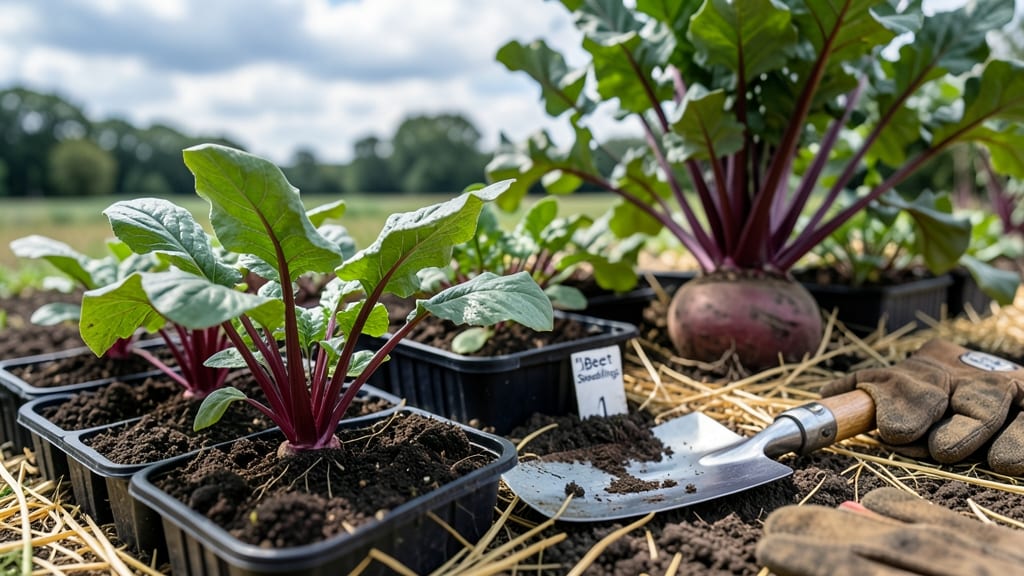
Timing your fall beet planting in Zone 6 is the key to unlocking sweet, tender roots instead of tough, bitter ones.
The difference between a perfect harvest and wasted effort often comes down to those 4-6 weeks before your first frost—when soil stays warm enough for germination but temperatures drop just enough to sweeten the roots.
I’ve grown 🍠 beets in Zone 6 for years, and I’ve learned that planting too early means struggling with late-summer heat stress, while waiting too long risks roots maturing before frost.
The sweet spot? Starting seeds in August or early September, giving them 55-70 days to bulk up before October’s chill sets in.
What you’ll discover here isn’t just theory—it’s a practical guide to calculating your exact planting window using frost charts, adjusting for Zone 6’s microclimates, and avoiding common mistakes that turn promising crops into disappointment. Let’s get those beets in the ground at the perfect moment.
Ready to transform your fall garden? By the end, you’ll know exactly when to plant for beets so sweet they’ll make your neighbors ask for seconds—and how to keep them thriving until harvest in October or November. No more guesswork, just delicious results.
Optimal planting windows for fall beets in Zone 6
Planting fall beets in Zone 6 requires precise timing to avoid woody roots and maximize sweetness. The ideal window is 4-6 weeks before your first frost date, typically between mid-August and early September for most Zone 6 regions.
This timing ensures beets mature before hard frost while escaping late-summer heat stress.
Beets thrive in cool soil temperatures (50-70°F) but struggle when soil exceeds 80°F. Planting too early in July risks bolting (flowering prematurely), while planting after September 15th often results in small, tough roots before frost. Aim for 55-60 days to harvest for perfect timing.
For direct sowing (most common method), start seeds ½ inch deep in well-draining soil with compost mixed in. Thin seedlings to 2-3 inches apart once they sprout. If using transplants, set them out 3-4 weeks after sowing to avoid disturbing roots.
Zone 6's microclimates matter—coastal areas may extend planting into early October, while inland regions should finish by mid-September. Check your local frost dates (typically October 15th in Zone 6) and count backward to calculate your exact window.
Pro tip: Use row covers to extend your harvest window by 2-3 weeks if frost arrives early. This protects young plants while allowing sunlight to penetrate.
🌱 Fall Beet Planting Summary for Zone 6
| Stage | Action | Key Details |
|---|---|---|
| Soil Prep | Test pH (6.0-7.0) | Add compost for nutrients |
| Direct Sowing | Mid-August to early Sept | ½" deep, thin to 2-3" |
| Transplanting | Late August | Use 4-6 week old starts |
| Harvest Window | October-November | Before hard frost arrives |
| Soil Temp | 50-70°F ideal | Avoid planting when >80°F |
Choose fast-maturing varieties like 'Detroit Dark Red' (58 days) or 'Golden' (50 days) for fall planting. These varieties balance speed and sweetness, making them perfect for Zone 6's shorter growing season. Avoid longer-season types (70+ days) unless you're in a coastal microclimate with milder frosts.
Mulch with straw or leaves after planting to maintain even soil moisture and suppress weeds. This is especially critical in dry spells that can occur in late summer. Water deeply once weekly (1 inch total) to encourage root development without overwatering.
Remember: The earlier you plant, the larger your beets will grow. However, planting too early risks bolting (going to seed) in Zone 6's heat. Strike this balance by starting seeds no earlier than August 1st in most regions.
For container growing, use pots 12+ inches deep with well-draining mix. Plant 2-3 seeds per container and thin to the strongest seedling. Containers warm up faster than garden soil, so monitor moisture closely.
How to calculate your exact planting date using frost charts
Calculating your fall beet planting date in Zone 6 starts with understanding your first frost date. Unlike spring planting, where you work backward from last frost, fall beets need 55-70 days of growth before a hard frost hits.
For most of Zone 6, that means aiming for a planting window between mid-August and early September—but your exact date depends on local microclimates.
First, find your average first frost date using the USDA Plant Hardiness Zone Map or your local cooperative extension service.
In Zone 6, this typically falls around October 15, but cities like Chicago or Denver may see frost earlier (mid-October), while Raleigh or St. Louis might hold off until late October. Subtract 60 days from your frost date to land on your ideal planting window.
For example, if your first frost is October 15, count backward:
- October 15 (frost) - 60 days = August 16 (earliest planting)
- October 15 - 45 days = September 1 (latest planting for smaller roots)
📋 Step-by-Step Planting Date Calculation
- Step 1: Find your first frost date (e.g., October 15 for Zone 6).
- Step 2: Subtract 60 days for full-sized beets (e.g., August 16).
- Step 3: Subtract 45 days for baby beets (e.g., September 1).
- Step 4: Check soil temperature—wait until it cools below 75°F for germination.
- Step 5: Adjust for local heat islands (urban areas stay warmer longer).
Pro Tip: Use a seedling heat mat if planting in late August to speed germination in warm soil.
Don’t rely solely on frost charts—factor in heat units. Beets need 1,200-1,500 growing degree days (GDD) to mature. In Zone 6, this typically translates to August 15-September 10, but track your local GDD using tools like the National Oceanic and Atmospheric Administration (NOAA) website.
If your summer was unusually hot, you might push planting to early September to avoid bolting (premature flowering).
For container gardening, add 7-10 extra days to your calculation—pots cool faster than in-ground soil. Place containers in south-facing spots to maximize warmth and extend your planting window by 1-2 weeks.
If you’re using row covers, you can push planting to mid-September and protect seedlings from early frosts.
Finally, test your soil’s pH (6.0-7.0) and drainage before planting. Beets hate soggy soil, which becomes more common as fall rains increase. Amend clay soil with compost or sand to improve aeration.
Once your dates are locked in, mark your calendar—consistency is key to avoiding the #1 mistake of planting too late and ending up with puny roots.