
Plants
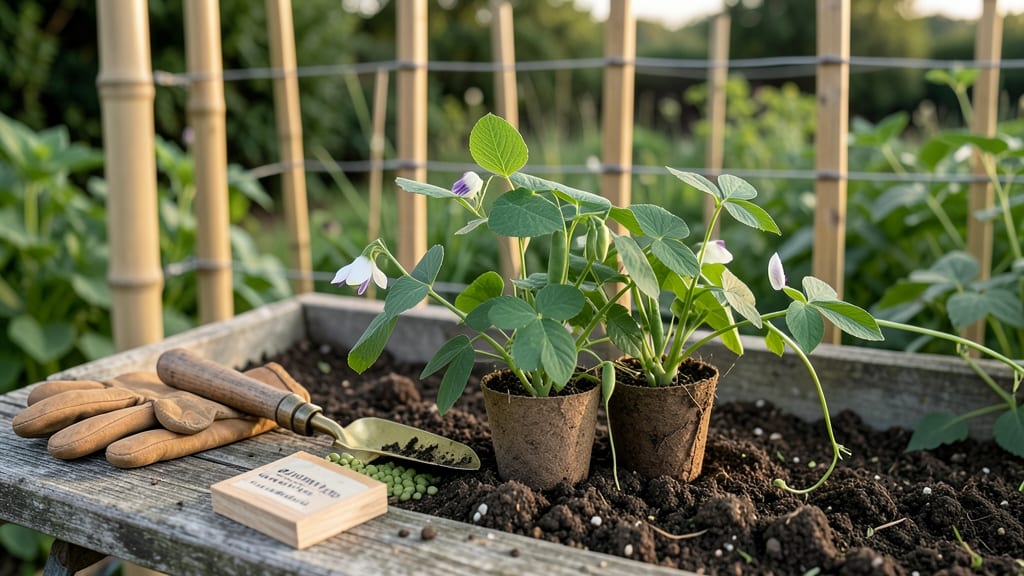
Planting English peas 🌱 in Alabama isn’t just about tossing seeds into the ground—it’s about timing them perfectly to avoid bitter, bolted harvests before you even taste that first sweet pod.
With Alabama’s unpredictable spring weather and warm winters, knowing the exact planting window can mean the difference between a thriving garden and wasted effort.
Most gardeners in USDA Zones 7b-8a get just two chances to plant English peas successfully: early spring and fall. Miss these windows, and you’ll either face frost damage or watch your peas bolt into flower before you can harvest.
The key is understanding your local frost dates and how to adjust for Alabama’s microclimates—whether you’re in the cooler north or warmer south.
In this guide, I’ll break down the optimal planting dates for your region, plus pro tips to extend your harvest season without risking bolting. Whether you’re a first-time gardener or a seasoned grower, these strategies will help you grow tender, flavorful peas all season long.
Ready to turn your Alabama garden into a pea-producing powerhouse? Let’s dive into the zone-specific deadlines that’ll give you the best shot at success.
Alabama pea planting calendar: exact dates for zero-bolt success by region
Alabama gardeners know timing is everything for English peas, especially when avoiding the dreaded bolting that turns sweet pods into bitter, stringy messes. The state's USDA Zones 7b-8a create two distinct planting zones—North Alabama (cooler) and South Alabama (warmer)—each with its own last frost dates and ideal windows.
For North Alabama (Zone 7b), the last frost typically hits around March 15-20, while South Alabama (Zone 8a) sees frost risks lingering until March 25-30.
This means your planting window shifts by nearly two weeks between regions—critical for getting peas in the ground at the right soil temperature (40-50°F for germination).
Here’s the exact breakdown you need to avoid bolting and maximize yields:
| Region | USDA Zone | Spring Planting Window | Fall Planting Window | Last Frost Date | Key Risk |
|---|---|---|---|---|---|
| North Alabama | 7b | Feb 15 - Mar 10 | Aug 20 - Sep 10 | Mar 15-20 | Late frost |
| South Alabama | 8a | Feb 25 - Mar 20 | Aug 30 - Sep 20 | Mar 25-30 | Heat stress |
*Adjust 1-2 weeks earlier for high-altitude areas (e.g., Huntsville) or later for coastal zones (e.g., Mobile).
Pro tip: Use a soil thermometer to confirm temperatures hit 40°F before planting—cold soil delays germination and invites rot. For spring plantings, aim to have peas established 2-3 weeks before the last frost to avoid stunted growth from cool nights.
Fall plantings require even more precision. Sow seeds 60-80 days before your first frost (typically mid-November) to ensure pods mature before winter sets in.
In South Alabama, this might mean starting as late as September 20th, while North Alabama gardeners should plant by September 10th to avoid early frost damage.
Watch for unpredictable weather—Alabama’s spring can swing from 50°F to 80°F in a week. If temperatures spike above 75°F before harvest, peas bolt rapidly. Use shade cloth (30-50%) during heatwaves to protect young plants and extend the harvest window by 1-2 weeks.
For gardeners in transition zones (e.g., Birmingham or Montgomery), err on the side of earlier plantingsmicroclimates where frost can linger longer than official averages. Plant a test row 2 weeks early to gauge your local frost risk.
Remember: Succession planting every 2 weeks in spring and 3 weeks in fall ensures a steady harvest. In Alabama’s climate, this means 3-4 plantings per season—each with its own bolting risk based on timing.
🌱
Alabama pea planting calendar: exact dates for zero-bolt success by region
Alabama’s USDA Zones 7b-8a create two distinct pea-growing seasons, but the planting windows vary dramatically between North and South Alabama.
In cooler northern counties like Madison or Marshall, your last frost typically hits around March 15-20, while southern regions like Mobile or Baldwin can push that back to March 25-30. These differences mean your planting deadlines should shift by nearly two weeks depending on where you live.
For spring planting, aim to sow English peas 4-6 weeks before your last frost date. That translates to early February in North Alabama and late February in South Alabama.
Fall planting requires even more precision—sow seeds 60-80 days before your first frost, which usually falls between mid-November and early December. Missing these windows risks either frost damage or bolting (when peas flower prematurely).
Here’s how to adjust your planting schedule based on your exact location:
If you’re unsure about your exact frost dates, check the Alabama Cooperative Extension System or use a frost calendar app like PlantMap. These tools provide hyper-local data that can shift your planting window by days—or even weeks—in some years.
For example, 2023’s late spring freeze in North Alabama delayed ideal planting by nearly three weeks for many gardeners.
Pro tip: Use black plastic mulch in early spring to warm the soil faster, or straw mulch in fall to protect seeds from temperature swings. Both tricks can help you push your planting window by 10-14 days in either direction.
Just be sure to remove mulch before harvest to avoid soil contamination.
Remember, English peas thrive in cool temperatures (50-70°F). Planting too early in warm soil or too late in hot weather will trigger bolting. Monitor your soil temperature with a soil thermometer—ideal planting conditions are 40-50°F for seeds to germinate properly.
Once you’ve nailed your planting window, the next challenge is extending your harvest season. But that’s a topic for our next section—where I’ll share my favorite tricks for growing peas well into Alabama’s fall and even winter months.