
Plants
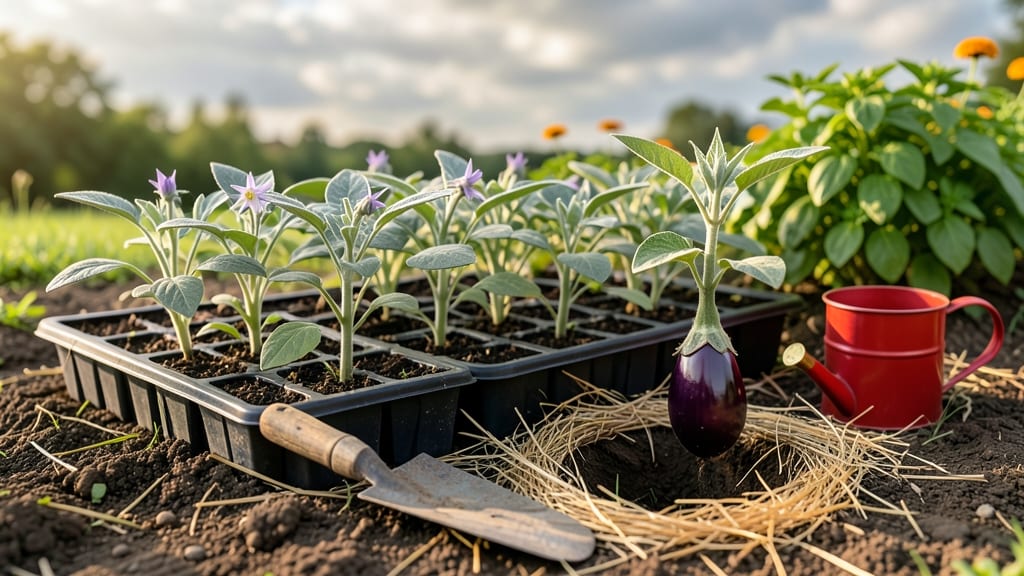
Timing your 🍆 eggplant planting in Southern California isn’t just about picking a month—it’s about avoiding the heat shock that turns your crop into bitter, stunted plants. With our frost-free 9b-11 climate, you’ve got two ideal windows: March-May for spring harvests and September-October to escape summer’s brutal peak.
Here’s the catch: even in SoCal, soil temperatures matter more than calendar dates. Planting too early when the ground is still cool can leave your 🍆 eggplant struggling, while waiting too long risks bolting—those unwanted flowers that rob you of your harvest.
I’ll show you exactly when to put those seedlings in the ground based on real soil temps, not just guesswork.
Let’s cut to the chase: coastal gardeners have a little more flexibility than inland growers, and desert areas need extra tricks to keep roots happy. You’ll learn how to read your microclimate like a pro, plus 3 foolproof tricks to extend your planting window without sacrificing quality.
Whether you’re a first-time gardener or a seasoned pro, these insights will help you grow plump, glossy eggplants instead of shriveled disappointments. Ready to master the SoCal eggplant schedule?
Southern California eggplant planting deadlines by microclimate (soil temp guide)
Southern California’s diverse microclimates mean your eggplant’s success depends on more than just the calendar—it’s about soil temperatures and local heat patterns. Unlike northern states, SoCal rarely sees frost, but heat shock (planting too early in hot soil) can stunt growth or trigger bolting.
Let’s break down the best windows for coastal, inland, and desert regions to maximize your harvest.
Eggplant thrives when soil stays between 60-70°F. In coastal areas like San Diego or Santa Barbara, you can start seeds indoors in February and transplant outdoors by mid-March. Inland valleys (e.g., San Fernando or Coachella) wait until late March to April to avoid summer’s brutal heat.
Desert regions like Palm Springs should delay until May or opt for fall planting entirely.
Here’s how to align your planting with SoCal’s microclimates and avoid common pitfalls like bitter fruit or premature flowering:
| Region | Ideal Planting Window | Soil Temp Threshold | Key Tip |
|---|---|---|---|
| Coastal (e.g., LA, San Diego) | March 15–April 30 | 60–65°F | Use shade cloth in June to prevent bolting. |
| Inland Valleys (e.g., San Fernando, Riverside) | April 15–May 15 | 65–70°F | Mulch with black plastic to retain heat. |
| Desert (e.g., Palm Springs, Coachella) | May 1–June 15 OR Sept 1–Oct 15 | 70–75°F | Fall planting avoids extreme summer heat. |
For coastal gardeners, start seeds indoors in late February and harden off transplants by March 15. Coastal areas benefit from milder nights, reducing stress on young plants.
If you’re in Zone 9b-10, like Los Angeles or Orange County, aim for a spring harvest by June and a fall harvest by November.
Inland valleys face hotter days and cooler nights, which can confuse eggplants into bolting. To mitigate this, use reflective mulch (like aluminum foil) to regulate soil temps and water deeply in the morning to encourage root growth. Avoid overhead watering, which can spread fungal diseases like powdery mildew.
Desert regions like the Coachella Valley require a two-pronged approach: either plant in early spring (May) for a summer harvest or go for fall planting (September) to escape the 100°F+ heat. If attempting summer planting, provide afternoon shade with 30-50% shade cloth and mulch heavily to retain moisture.
Pro tip: Use a soil thermometer to confirm temps before planting. Eggplants won’t germinate well below 60°F, and soil above 80°F can cause heat stress. In inland areas, wait until soil temps stabilize at 65°F for 5+ days before transplanting.
Extend your growing season with these SoCal-specific tricks:
- Use black plastic mulch to warm soil faster in spring.
- Apply shade cloth in summer to prevent bolting.
- Plant in raised beds for better drainage in desert regions.
Remember, eggplants are sensitive to temperature swings. If nights drop below 55°F, even in SoCal, growth slows. Use row covers or cloche tunnels for early spring plantings in cooler coastal pockets like Santa Barbara.
Timing your eggplant planting isn’t just about the calendar—it’s about reading your microclimate. By aligning your planting with soil temps and local heat patterns, you’ll avoid the bitter, bolting disasters that plague SoCal gardeners. Now grab your thermometer and get planting!
Southern California eggplant planting deadlines by microclimate (soil temp guide)
Southern California’s diverse microclimates mean your eggplant’s planting timeline can vary by hundreds of miles. Coastal areas like Santa Barbara and San Diego enjoy milder soil temps, while inland valleys like San Fernando and desert regions near Palm Springs face extreme heat.
The golden rule? Wait until soil reaches 60-70°F—any cooler, and your plants will languish.
For coastal gardeners, March 15-April 15 is your sweet spot for spring planting, while inland areas should hold off until April 1-April 30. Desert regions? Start in late April to avoid summer’s scorching temps.
The fall window repeats this pattern: coastal areas can plant until October 15, while inland gardens should finish by September 30.
| Microclimate | Spring Planting Window | Fall Planting Window | Soil Temp Threshold | Pro Tip |
|---|---|---|---|---|
| Coastal (Santa Barbara, San Diego) | March 15 - April 15 | October 1 - October 15 | 60-65°F | Use shade cloth 30% if temps exceed 85°F |
| Inland Valleys (San Fernando, Riverside) | April 1 - April 30 | September 1 - September 30 | 65-70°F | Mulch with black plastic to warm soil faster |
| Desert (Palm Springs, Coachella) | Late April - Early May | September 15 - October 1 | 70°F+ | Plant in raised beds with drip irrigation |
Don’t let calendar dates fool you—always check soil temps with a soil thermometer. Dig 2 inches deep where you’ll plant; if it’s cooler than 60°F, wait.
Pro tip: coastal fog can delay warming, while inland areas heat up faster. For extra insurance, use a minimum-maximum thermometer to track daily fluctuations.
If you miss the ideal window, don’t panic! You can extend your season by 3-4 weeks using black plastic mulch or row covers. These tricks raise soil temps by 5-10°F, giving your eggplants a head start. Just remove covers once plants are established to prevent overheating.
Remember: eggplants hate heat shock. If nighttime temps dip below 55°F, protect young plants with frost blankets (yes, even in SoCal!). Coastal gardeners can sometimes squeeze in a June planting, but inland areas should avoid summer heat entirely—it’s a one-way ticket to bolting.
For a foolproof harvest, align your planting with local pollinator activity. Bees and other pollinators thrive in SoCal’s spring and fall, ensuring better fruit set. Time your fall planting to coincide with September’s monsoon season (inland areas), which boosts humidity and pollination rates.