
Plants
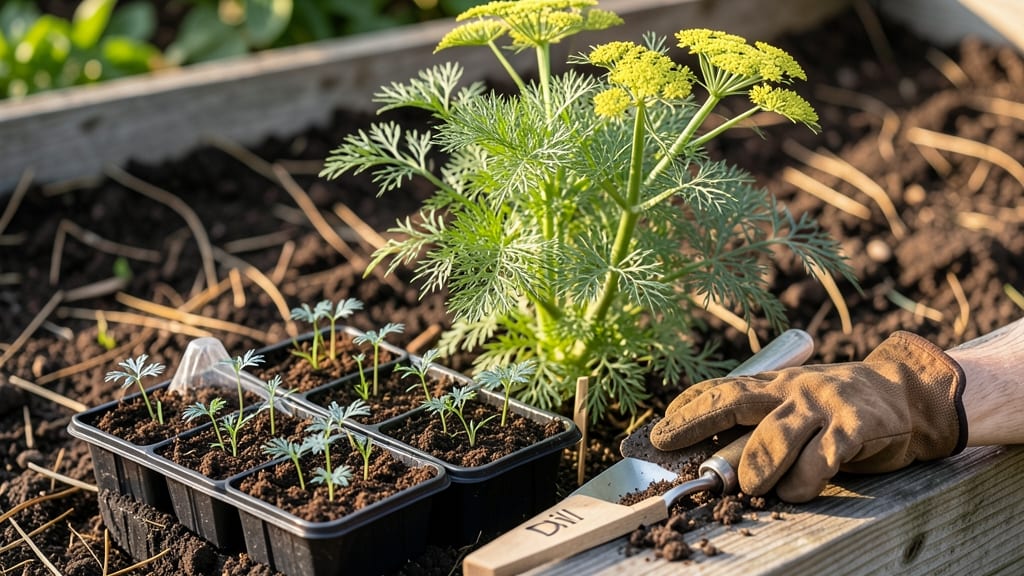
If you're dreaming of fresh 🌿 dill for your favorite dishes but live in Texas, timing is everything—plant too early, and you risk bolting before you even taste those feathery leaves.
The key to growing lush dill in Texas isn’t just about seasons; it’s about heat zones, soil prep, and knowing when to avoid the brutal summer sun that turns your herb into a bitter disappointment.
Texas gardeners in zones 8a-10b have two prime windows to plant dill: late winter through early spring and late summer into early fall. But here’s the catch—those scorching 100°F+ days can trick dill into flowering faster than you can say "pickles."
I’ll show you exactly when to start seeds for leafy growth (not seeds!) and how to stretch your harvest through Texas’s unpredictable climate.
Whether you’re in North Texas where frosts linger or South Texas where the heat arrives early, this guide breaks down the best months to plant, soil temperature triggers, and shade strategies to keep your dill happy.
Skip the guesswork and learn how to time your planting for tender leaves all season long.
Ready to grow dill that stays leafy and flavorful? Let’s dive into the Texas-specific planting calendar that’ll save you from bolting headaches and give you a steady supply of fresh 🌿 dill for your kitchen.
Texas heat zones for planting dill (and when to avoid)
Texas stretches across USDA zones 8a-10b, creating dramatic differences in when to plant dill for leafy growth versus seed production.
In North Texas (8a-9a), you’ll avoid early bolting by planting in late winter to early spring, while South Texas (9b-10b) gardeners can extend planting into fall—but with caution. The key is matching planting windows to soil temperatures (ideal: 50-70°F) and avoiding Texas’s 100°F+ summers.
Dill’s bolting threshold is triggered by heat stress and long daylight hours. In zone 10b (Houston, Brownsville), planting after May 15 risks bolting within 4-6 weeks, while zone 8a (Amarillo, Lubbock) can safely plant until June 1 with shade strategies.
The fall window (August-September) is your safest bet for South Texas, but North Texas should stick to spring for consistent harvests.
Here’s how Texas’s heat zones dictate your dill planting timeline:
For North Texas (zones 8a-9a), March is your golden month—planting then gives you 8-10 weeks of leaf harvest before bolting. Use shade cloth (30-50%) if extending into April to delay flowering.
In South Texas (9b-10b), fall planting (August-September) is critical: soil stays warm longer, but avoid planting after September 15 or you’ll face rapid bolting by October.
Pro tip: Zone 10b gardeners can cheat the system by using black plastic mulch to warm soil faster in fall, but monitor for overheating—dill hates soil temps above 80°F.
For North Texas, row covers in late winter can jumpstart growth and extend your harvest window by 2-3 weeks.
One common mistake? Planting dill for seeds in Texas summers. The long daylight hours (14+ hours) trigger bolting within 3-4 weeks, leaving you with bitter leaves and no viable seeds. Save seed production for fall in South Texas or spring in North Texas.
If you’re in transition zones (9a-9b), split your planting: 20% in March for spring harvests and 80% in August for fall. This succession strategy ensures you have fresh dill leaves from April through November—just avoid the July-August heat entirely.
Remember: Dill’s bolting isn’t just about heat—it’s also about daylight exposure. In North Texas, longer days in June will bolt your plants regardless of temperature. Use partial shade (40-50%) to trick the plant into focusing on leaf growth instead of flowering.
For container growing in urban Texas, timing shifts slightly: move pots indoors by October 1 in zone 10b or November 15 in zone 9a to extend harvests. Just ensure your indoor location gets 6+ hours of sunlight—a south-facing window works, but supplement with grow lights if needed.
🌱 Key Takeaway: Texas dill success boils down to one rule: Plant in spring for North, fall for South, and never in summer. Bolting is your enemy—master the heat zones, and you’ll enjoy fresh dill all season.
Texas heat zones for planting dill (and when to avoid)
Texas spans USDA zones 8a-10b, meaning your dill planting window varies wildly from the Panhandle to the Rio Grande Valley. In North Texas (8a-8b), you’ve got a longer cool season to work with, while South Texas (9a-10b) demands earlier starts to beat the heat.
The golden rule? Plant when soil temps hit 50-60°F—any hotter, and your dill will bolt faster than a jackrabbit in July.
For leafy growth (not seeds!), aim for late winter to early spring (Feb-Mar) in cooler zones. In South Texas (9a-10b), start seeds as early as January to harvest before the heat peaks.
The second window—late summer to early fall (Aug-Sep)—works for both regions but requires shade and consistent moisture to delay bolting.
Here’s the kicker: Dill hates Texas summers. Once temps hit 90°F+, your plants will bolt within weeks, turning those tender leaves into bitter seed stalks.
That’s why I recommend focusing on fall planting for South Texas gardeners—it’s the only way to get a full harvest before the cold sets in.
| USDA Zone | Best Planting Window | Bolting Risk | Shade Strategy |
|---|---|---|---|
| 8a-8b (North Texas) | Feb 15 - Mar 15 Aug 15 - Sep 15 |
High in summer Low in spring/fall |
30% shade cloth for summer plantings |
| 9a-9b (Central Texas) | Jan 15 - Feb 15 Jul 20 - Aug 20 |
Very high in summer Moderate in spring |
40% shade cloth or dappled shade |
| 10a-10b (South Texas) | Jan 1 - Feb 10 Aug 1 - Sep 10 |
Extreme in summer Low in winter |
50% shade cloth or afternoon shade |
🌡️ Pro Tip: Use a soil thermometer—dill roots need 50-60°F to thrive.
If you’re in North Texas (8a-8b), your last frost typically hits by March 15, giving you a solid 3-month harvest window if you plant in February. But don’t wait until April—by then, the heat will trigger bolting within weeks.
For South Texas (10a-10b), January planting is your only shot at a spring harvest before the heat shuts down growth.
Here’s my hard-won lesson: I once planted dill in May in Central Texas, thinking the summer rains would help. By June, every plant had bolted—zero usable leaves.
The moral? Texas dill gardening is a timing game. Stick to the Feb-Mar and Aug-Sep windows, and you’ll avoid the bolting trap.
For maximum harvests, try succession planting every 2-3 weeks in your ideal window. This staggered approach ensures you always have fresh dill—no bitter surprises. And if you’re in South Texas, don’t skip the fall planting; it’s your best bet for tender leaves before the first frost.