
Plants
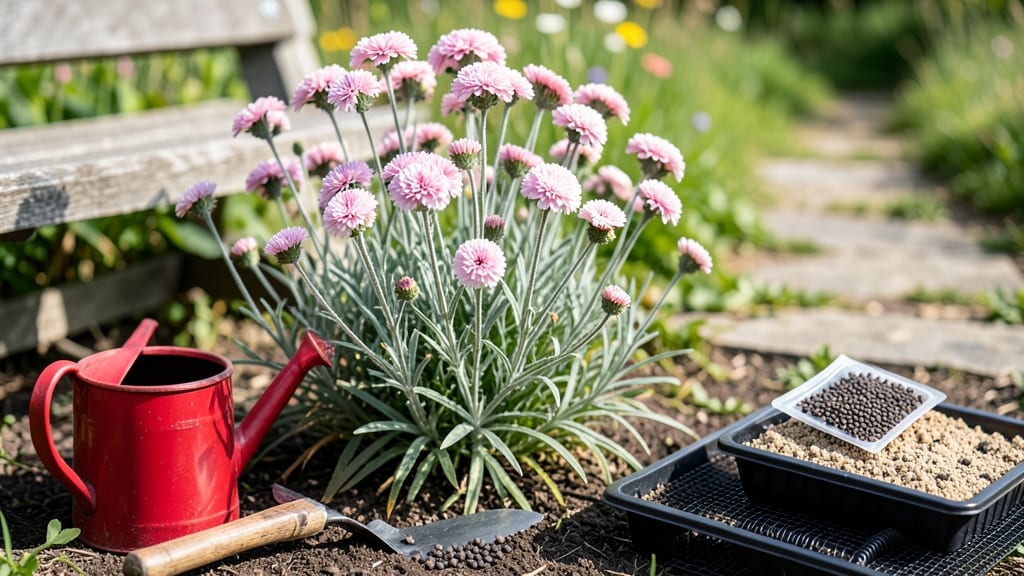
If you’ve ever dreamed of filling your garden with fragrant 🌸 Dianthus blooms but struggled to pinpoint the best time to plant Dianthus seeds in Australia, you’re not alone.
The difference between a thriving patch of Dianthus and a failed attempt often comes down to timing—especially when Australia’s climate zones range from frost-prone Victoria to sunbaked Queensland.
Planting Dianthus seeds at the wrong time can mean frost damage in cooler regions or scorched seedlings in the heat. But here’s the good news: with the right strategy, you can grow stunning Dianthus year-round, whether you’re in Sydney’s temperate zone or Perth’s arid climate.
I’ll walk you through the best months to plant, seasonal cues to watch for, and how to adjust for your specific location.
From late winter to early spring or late summer to early autumn, the ideal window depends on where you live. In temperate zones like NSW and Victoria, timing your seeds for frost-free soil is key.
Meanwhile, in subtropical or tropical areas, heat tolerance becomes the priority. Let’s break down the best approach for your region so your Dianthus gets off to the strongest start.
Ready to transform your garden? By the end of this guide, you’ll know exactly when to plant Dianthus seeds for vibrant blooms, along with soil prep tips and care tricks to keep your plants thriving. Let’s get growing!
Australia’s ideal Dianthus planting months by climate zone
Australia’s climate zones dramatically impact when you should plant dianthus seeds. In temperate zones like Victoria and southern NSW, aim for late winter to early spring (August–October) to avoid late frosts that can kill young seedlings.
Meanwhile, subtropical regions such as Brisbane thrive with late summer planting (February–March) when soil stays warm and summer rains ease.
Northern Australia’s tropical and arid zones (e.g., Darwin or Perth) offer a broader window—September to November—but prioritize soil warmth over calendar months. Even within zones, microclimates matter: coastal areas may plant earlier than inland spots due to milder temperatures. Always check your local frost-free date for precision.
For best results, align planting with the full moon in your zone. This lunar method boosts germination rates by enhancing soil moisture retention. Pair this with well-draining soil (sandy loam works best) to prevent seed rot—a common issue in Australia’s variable climates.
🌸
| Climate Zone | Best Planting Months | Key Cues | Soil Temp (°C) |
|---|---|---|---|
| Temperate (Sydney, Melbourne, Adelaide) | August–October | After last frost, soil warm (10–15°C) | 10–15°C |
| Subtropical (Brisbane, Gold Coast) | February–March | Summer rains ease, soil warm (18–22°C) | 18–22°C |
| Arid (Perth, Darwin) | September–November | Post-wet season, soil moisture stable | 20–25°C |
| Tropical (Cairns, Townsville) | May–June | Dry season start, less humidity | 22–28°C |
Note: Adjust for local microclimates (e.g., urban heat islands or sheltered gardens).
In temperate zones, August is ideal for starting seeds indoors to transplant outdoors by September, when soil temperatures consistently stay above 10°C. For subtropical areas, February planting aligns with the end of summer rains, reducing the risk of seedling rot.
Meanwhile, arid regions like Perth benefit from September planting to capitalize on autumn rains and cooler soils.
Use a soil thermometer to verify readiness—dianthus seeds need 10–22°C soil temps to germinate efficiently. In cooler zones, cover seeds lightly with compost (no deeper than 1/4 inch) to retain warmth. For hot climates, opt for shade cloth until seedlings establish roots.
Pro tip: Mulch with straw after planting to lock in moisture and regulate soil temperature. This is especially critical in variable Australian climates, where sudden heatwaves or cold snaps can stress young plants. Pair this with drip irrigation to avoid overhead watering, which spreads fungal diseases.
💧
If you’re unsure about your local climate, check the Bureau of Meteorology’s frost maps or ask your local nursery for zone-specific advice. They’ll confirm whether your area leans toward coastal mildness or inland extremes, helping you fine-tune your planting schedule.
For example, Canberra’s highlands may need a later start than coastal NSW, even if they’re geographically close.
Finally, remember that dianthus thrives from seed but grows faster from transplants. If you’re short on time, buy 6-week-old seedlings from nurseries and plant them according to the same climate guidelines. Just ensure they’re hardened off (acclimated to outdoor conditions) for a week before transplanting.
Australia’s ideal Dianthus planting months by climate zone
Australia’s climate zones dramatically impact when to plant dianthus seeds. In temperate zones like Victoria and southern NSW, aim for late winter to early spring (August–October) to avoid late frosts that can damage tender seedlings.
Meanwhile, subtropical regions such as Brisbane thrive with late summer plantings (February–March) to escape the worst summer heat.
For arid zones like Perth or Adelaide, timing shifts slightly—autumn (March–April) is ideal to take advantage of cooler temperatures and moderate rainfall. Each zone requires different strategies, but the key is planting when soil temperatures reach 15–20°C (59–68°F)—critical for germination.
🌸
| Climate Zone | Best Planting Window | Soil Temp Requirement | Seasonal Cue |
|---|---|---|---|
| Temperate (e.g., Melbourne, Sydney) | August–October | 15–20°C (59–68°F) | After last frost |
| Subtropical (e.g., Brisbane, Gold Coast) | February–March | 18–22°C (64–72°F) | Before summer heat |
| Arid (e.g., Perth, Adelaide) | March–April | 16–20°C (61–68°F) | After summer rains |
In temperate zones, I always check local frost-free dates—Melbourne’s last frost typically falls in early September, so I wait until then to plant. For subtropical areas, I prioritize humidity levels and avoid planting during cyclone season (November–March), which can drown seedlings.
Meanwhile, in arid climates, I rely on rainfall forecasts to time plantings with natural moisture.
Pro tip: Use the full moon planting method for stronger root development—many Australian gardeners swear by it. For container growing, you can extend planting windows slightly by using heat mats in cooler months or shade cloth in summer.
Regardless of your zone, always prepare well-draining soil with compost to prevent rot. Dianthus hates soggy roots, so amend heavy clay soils with sand or perlite for optimal results.
☀️