
Plants
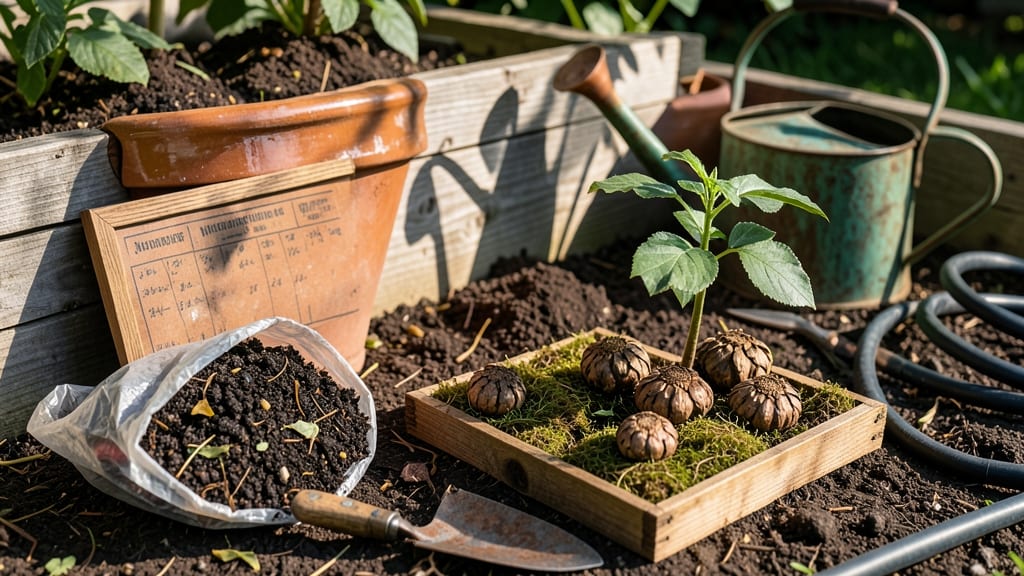
When to plant dahlia bulbs in Wisconsin is the secret to those jaw-dropping 🌼 blooms that make your garden the talk of the neighborhood. Plant too early, and frost will turn your dreams into a sad, mushy mess. Wait too long, and you’ll miss out on the full season of color you’ve been dreaming of.
As a Wisconsin gardener, you know the struggle—unpredictable springs and short growing seasons demand precision. The key lies in waiting until after your last frost date, typically mid-April to mid-May, when soil temperatures hit that sweet spot of 60°F.
But here’s the catch: not all dahlia varieties play nice in Zone 4’s chill, and some tricks can give you an edge.
I’ve tested everything from chitting bulbs indoors to using row covers for early starts, and I’m sharing exactly what works—and what doesn’t—in this guide. Whether you’re a first-time grower or a seasoned pro, these tips will help you avoid common pitfalls and maximize your dahlias’ potential.
Let’s dive into the perfect planting window, soil prep secrets, and variety choices that thrive in Wisconsin’s short but sweet growing season. Your garden’s boldest blooms are just a few weeks away!
Wisconsin’s ideal dahlia planting timeline: Zone 4 frost dates explained
Wisconsin’s Zone 4 climate means dahlia bulbs must wait for soil temperatures to rise above 60°F before planting. The last frost date varies across the state—southern Wisconsin typically sees it around mid-April, while northern areas may wait until late May.
This timing ensures your dahlias thrive without frost damage.
For reliable blooms, align your planting with UW Extension’s frost data. Southern Wisconsin gardeners can start in early May, while northern areas should wait until mid-May. Check local planting calendars for real-time updates, as Wisconsin’s weather can be unpredictable.
🌱
Use a soil thermometer to confirm 60°F soil temps before planting. Cold soil can stunt root growth, leaving your dahlias vulnerable to disease. If temps are too low, consider starting bulbs indoors in late March for a head start.
For extended blooms, plant dahlia tubers in late May if early planting isn’t possible. While you’ll miss some early blooms, late plantings still produce stunning flowers by summer’s end.
Wisconsin’s short growing season demands efficiency. Choose early-blooming varieties like ‘Bishop’ or ‘Café au Lait’ to maximize your bloom time. These varieties tolerate cooler temps better than late-season dahlias, giving you more time to enjoy their beauty.
Pro tip: Mark your planting date on a calendar and note the days to first bloom. Most dahlias take 80–120 days to flower, so plan accordingly for a long-lasting display.
If you’re unsure about frost dates, use row covers or cold frames to protect early plantings. These tools can extend your season by 2–4 weeks, giving your dahlias a fighting chance in Wisconsin’s unpredictable spring.
🌿
5 Signs your Wisconsin soil is ready for dahlia bulbs (and what to do if it’s not)
Even with the perfect planting window in Wisconsin, your dahlias won’t thrive if the soil isn’t ready. Cold, wet ground can stunt roots and invite rot, while dry soil stresses tender bulbs.
The key is checking three critical factors: temperature, moisture, and drainage. I’ve learned the hard way—skipping these checks means risking a season of limp stems and sparse blooms.
First, test your soil temperature. Dahlias need 60°F soil to sprout reliably. Use a soil thermometer (or press your hand into the ground—if it feels warmer than your wrist, it’s ready).
In Wisconsin’s Zone 4, this usually aligns with mid-May, but southern counties like Milwaukee may hit this mark a week earlier than Duluth. Patience here pays off—rushing into cold soil delays blooms by weeks.
🌱 5 Signs Your Soil Is Ready for Dahlias
- 1. Soil temp: 60°F+ (test with thermometer or hand check)
- 2. Moisture: Drains within 6 hours (squeeze a handful—no puddles)
- 3. Texture: Crumbles easily (not compacted or muddy)
- 4. Frost-free: 10+ days since last frost (check UW Extension maps)
- 5. pH: 6.5–7.0 (test kit or vinegar/baking soda check)
⚠️ Pro Tip: If your soil fails any test, amend with compost or use row covers to warm it faster.
Moisture is another dealbreaker. Dahlias hate soggy soil, which leads to root rot in Wisconsin’s damp springs. Dig a 6-inch hole and fill it with water—if it drains within 6 hours, you’re good. If not, raise beds or mix in sand or perlite.
I once planted in heavy clay, and my dahlias struggled until I added a 50/50 mix of compost and coarse sand. The difference was night and day!
Don’t overlook drainage tests. Stick a trowel in the ground—if water pools around it, your soil is too dense. Amend with organic matter like leaf mold or aged manure. For container growers, ensure pots have drainage holes and use a well-draining mix (50% potting soil, 30% perlite, 20% compost).
Containers warm up faster, letting you plant 2–3 weeks earlier than in-ground.
If your soil isn’t ready, don’t despair—Wisconsin gardeners have tricks to extend the season. Use row covers or cold frames to warm soil by 5–10°F. Black plastic mulch also speeds up warming (test it first—some years, it gets too hot!).
For late starters, opt for early-blooming varieties like ‘Café au Lait’ or ‘Thomas Edison,’ which tolerate cooler temps better than fussy hybrids.
Finally, time your planting with Wisconsin’s moon phases for extra vigor. Planting during a waxing moon (when the moon is growing) encourages root growth. Check a lunar calendar—it’s a small tweak, but my dahlias always seem to take off faster when I follow this tip.
Combine it with a balanced fertilizer (5-10-10) at planting, and you’re set for a season of showstopping blooms.
Remember: Soil prep is half the battle in Wisconsin’s short growing season. Take the time to test and amend, and your dahlias will reward you with bold blooms from July to frost. Happy planting—your garden’s centerpiece is waiting! 🌼