
Plants
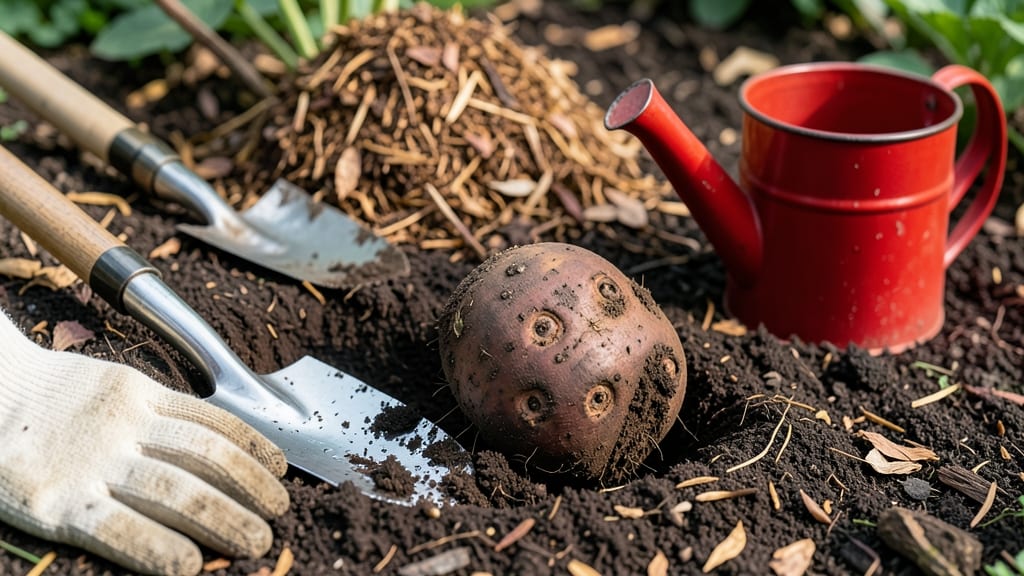
If you’ve ever tried planting dahlias in Texas only to watch them wither under the scorching sun, you’re not alone. The key to growing these stunning blooms lies in knowing when to plant dahlias in Texas—and it’s not as simple as waiting for spring.
Texas’s brutal summers demand a strategy that balances heat tolerance, soil warmth, and regional timing to ensure your dahlias thrive from spring through fall.
Most gardeners assume dahlias should go into the ground as soon as the last frost passes, but that’s a recipe for disaster in Texas.
Instead, the secret is waiting until the soil reaches at least 60°F—a critical threshold that varies wildly between North Texas’s cooler zones and South Texas’s early heat. Plant too early, and your tubers will rot; too late, and you’ll miss the peak bloom season.
Let’s break down the exact windows and heat-resistant varieties that actually work in your part of the state.
What you’ll discover here isn’t just about dates—it’s about adapting to Texas’s unique climate. Whether you’re in the High Plains or the Rio Grande Valley, the right timing (and the right dahlias) can mean the difference between a garden full of vibrant blooms and a sad pile of shriveled tubers.
I’ll walk you through the best planting months for your region, plus the top varieties that won’t bolt in 100°F+ heat.
Ready to transform your Texas garden into a dahlia paradise? Let’s dive into the exact start dates, soil prep tips, and heat-proof varieties that will keep your dahlias flourishing—no matter how brutal the summer gets.
Best planting dates for dahlias in Texas by region (north vs. Central vs. south)
Texas spans three distinct gardening regions, each with unique frost dates and heat patterns that dictate the optimal dahlia planting window. In North Texas (USDA zones 7b-8a), like Dallas and Fort Worth, you’ll want to wait until mid-April to early May after the last frost.
Meanwhile, Central Texas (zones 8a-8b), including Austin, can start planting as early as late March, while South Texas (zones 9a-9b), like San Antonio and Houston, enjoys a longer growing season and can plant as early as February.
Dahlias thrive when soil temperatures reach at least 60°F (15°C), which typically aligns with these regional windows. Planting too early risks tuber rot from lingering cold, while waiting too late may delay blooms until fall’s first frost.
For heat-resistant varieties, aim to establish roots before consistent 90°F+ temperatures arrive—usually by late May in North Texas.
Here’s how to align your planting with Texas’s three key regions, accounting for both frost-free dates and summer heat onset:
For North Texas gardeners, focus on heat-tolerant varieties like ‘Thomas Edison’ or ‘Café au Lait’ to ensure blooms survive 100°F+ afternoons. In Central and South Texas, you can extend the season by planting in stages—start with early varieties in February and add heat-resistant types in April.
Always harden off tubers for 1–2 weeks before transplanting to avoid shock from Texas’s intense sunlight.
Pro tip: Use a soil thermometer to confirm 60°F+ soil temps before planting. In drier regions like West Texas, wait until June for tubers to avoid drought stress during establishment. Mulch heavily with straw or wood chips to retain moisture and regulate soil temperature.
If you’re starting dahlias from seeds indoors, begin 8–10 weeks before your region’s last frost date. For tubers, chill them for 6–8 weeks in a cool, dark place (like a fridge) to simulate winter dormancy before planting.
This mimics their natural growth cycle and ensures stronger stems for Texas’s heavy winds and heat.
Remember: Dahlias are short-lived perennials in Texas—they’ll die back with first frost (November–December), so treat them as annuals or dig and store tubers for next year.
In warmer South Texas, some varieties may survive mild winters with heavy mulch protection, but most gardeners replant fresh tubers each spring for peak performance.
For container gardening, plant dahlias in large pots (18"+ diameter) filled with well-draining potting mix. These warm up faster than garden soil, letting you start 2–4 weeks earlier than in-ground plantings. Just ensure containers have drainage holes to prevent root rot from Texas’s summer downpours.
Finally, mark your calendar for post-planting care: Dahlias need consistent watering (1–2 inches per week) and monthly fertilizer (use a 5-10-10 blend) to fuel their rapid growth. In North Texas, stake tall varieties early to prevent wind damage—Texas’s summer storms can snap stems without support.
Best planting dates for dahlias in Texas by region (north vs. Central vs. south)
Texas’s diverse climate means your dahlia planting timeline should depend on whether you’re in the High Plains, North Central, Central, or South Texas. The golden rule? Wait until soil temperatures hit 60°F+—any earlier, and your tubers risk rotting in cool, damp soil.
For most Texas gardeners, this means planting between mid-March and mid-April, but South Texas gardeners can start as early as February.
North Texas (USDA zones 7b-8a) faces the latest frost risks, so hold off until mid-April after the average last frost date.
Central Texas (8a-8b) can plant by late March, while South Texas (9a-9b) enjoys an extended growing season—plant as early as February for fall blooms. The key is aligning your planting with soil warmth, not just calendar dates.
| Region | USDA Zone | Best Planting Window | Soil Temp Threshold | Notes |
|---|---|---|---|---|
| High Plains (Lubbock, Amarillo) | 7b-8a | Mid-April to early May | 60°F+ | Wait for last frost (avg. April 15) |
| North Central (Dallas, Fort Worth) | 8a-8b | Late March to mid-April | 60°F+ | Use black plastic mulch to warm soil faster |
| Central Texas (Austin, San Antonio) | 8b-9a | Late February to early April | 60°F+ | Start tubers indoors in January |
| South Texas (Houston, Corpus Christi) | 9a-9b | February to March | 65°F+ | Plant early for fall blooms; shade young plants |
For container gardeners, the rules shift slightly. Dahlias in pots need warmer soil (65°F+) and should be planted 2-3 weeks later than in-ground plants to avoid root stress. If you’re in North Texas, consider starting tubers indoors under grow lights in February to give them a head start before transplanting.
Pro tip: Use a soil thermometer to confirm readiness—Texas’s erratic weather means calendar dates alone won’t cut it. Once planted, mulch heavily with straw or wood chips to retain moisture and protect tubers from temperature swings.
This is especially critical in South Texas, where afternoon heat can spike to 105°F+.
Remember, dahlias are short-day plants, meaning they bloom best with 12+ hours of daylight. In Texas, this aligns perfectly with spring planting, but if you’re in South Texas and plant too early, you might miss peak blooms.
Balance timing with your local daylight cycle for the most vibrant flowers.