
Plants
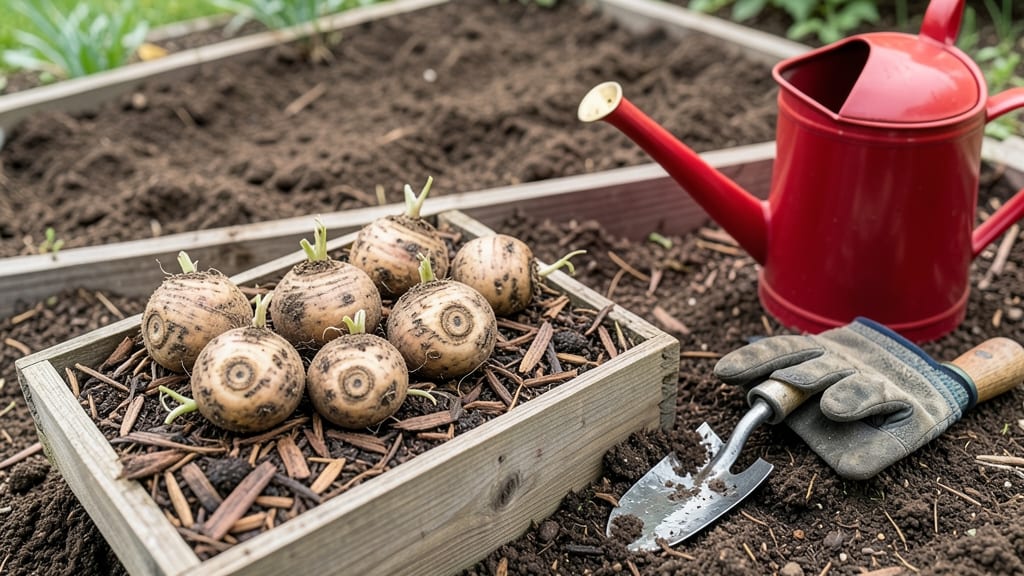
Timing your dahlia bulb planting in Michigan is the difference between a garden bursting with 🌼 blooms and one that struggles to take root. With Michigan’s unpredictable spring weather—where frost can linger into May—getting those tubers in the ground at the right moment is everything.
You’ve probably heard the general advice to wait until after the last frost, but in Zones 5b-6b, that window can shift dramatically depending on whether you’re in the Upper Peninsula or southern Michigan.
One week too early, and your dahlias could get nipped by a late freeze; too late, and you’ll miss the prime growing season.
Here’s what you need to know to nail those planting dates: how to read Michigan’s frost-free trends, which varieties thrive in your specific zone, and how to prep your dahlias for the unpredictable weather we’re famous for. Let’s get those tubers in the soil when they’ll truly flourish.
Whether you’re a first-time gardener or a seasoned pro, these insights will help you avoid common mistakes—like planting too deep or too shallow—and set your dahlias up for a show-stopping summer. Ready to transform your garden?
Michigan’s ideal dahlia planting dates by hardiness Zone (5-6)
Michigan’s Zone 5-6 climate means dahlias thrive when planted after the last spring frost, typically between mid-April and mid-May.
However, the Upper Peninsula (Zone 5b) often waits until late May due to colder soils, while Southern Michigan (Zone 6a) can plant as early as early April in sheltered areas. Always check your local frost-free date—the National Weather Service or Michigan State University Extension provides reliable forecasts.
For precision timing, use the USDA Plant Hardiness Map to confirm your exact zone. In Zone 5b, aim for May 1-15, while Zone 6a/b gardeners can start April 15-May 1.
If you’re unsure, plant dahlia tubers in containers first—this lets you move them indoors if frost threatens. Late May is the absolute last safe date for planting outdoors in most of Michigan.
Here’s the golden rule: Soil temperature should stay above 60°F (15°C) for at least 7-10 days before planting. Use a soil thermometer to check—dahlias won’t sprout in cold soil. In clay-heavy Michigan soils, warming happens slower, so black plastic mulch can speed things up by 2-3 weeks.
| Zone | Ideal Planting Window | Soil Temp Requirement | Backup Date (Late Spring) |
|---|---|---|---|
| 5b (Upper Peninsula) | May 1–15 | 60°F+ for 10 days | May 25 (risky) |
| 6a (Northern Lower) | April 15–May 1 | 60°F+ for 7 days | May 10 |
| 6b (Southern Lower) | April 1–April 15 | 55°F+ for 5 days | April 30 |
Michigan’s unpredictable spring weather demands flexibility. If a late frost hits after your planting date, cover dahlias with frost cloth or a row cover for 24-48 hours.
Young shoots are most vulnerable—hardy varieties like ‘Café au Lait’ or ‘Bishop’ tolerate cooler temps better than delicate cactus or dinnerplate dahlias.
For container gardening, start tubers indoors 6-8 weeks before your last frost date. Use well-draining pots with pearlite or vermiculite mixed into soil to prevent rot.
Move potted dahlias outdoors after May 15 once night temps stay above 50°F (10°C). This method extends your planting window by 3-4 weeks.
Pro tip: Mark your calendar for June 1—this is the last safe date to plant dahlias for summer blooms. After this, new plants won’t have enough time to establish roots before frost.
If you miss the window, opt for potted dahlias or pre-grown nursery starts in early June for late-season color.
Remember: Dahlias are short-lived perennials in Michigan’s climate. Even if you dig up tubers each fall, replanting annually ensures stronger, healthier blooms. Early planting (April-May) gives you 3-4 months of blooms, while late planting (June) may only yield 6-8 weeks of flowers before frost.
Use these Michigan-specific tips to maximize your dahlias’ potential:
- Test soil pH (aim for 6.0-7.0)—Michigan’s clay often needs lime or sulfur adjustments.
- Amend soil with compost or aged manure to improve drainage.
- Stake or cage tall varieties early to prevent wind damage from Michigan’s summer storms.
🌼
How to prepare dahlia bulbs for Michigan’s unpredictable spring weather
Michigan’s unpredictable spring weather can turn your dahlia dreams into a frosty disappointment if you’re not prepared. Cold snaps after planting or slow soil warming can stunt growth, so prepping your bulbs is key.
Start by chitting your tubers—placing them in a bright, cool spot (around 60°F) to encourage early sprouting before the final frost date.
Check your soil temperature before planting—dahlias thrive when soil reaches 60°F or warmer. Use a soil thermometer to avoid planting too early.
In colder regions like the Upper Peninsula, wait until mid-May for safety. Hardening off your tubers by exposing them to cooler temps for a week also builds resilience.
Michigan’s clay-heavy soils can suffocate dahlia roots, so amend with compost or peat moss to improve drainage. Plant bulbs 4-6 inches deep and 12-18 inches apart—deeper planting protects against late frosts, while shallower planting risks rot in heavy rains. Mulch lightly after planting to retain warmth without smothering sprouts.
If a late frost warning appears, cover young plants with frost cloth or a cloche. Avoid plastic directly on leaves, which can cause burn damage.
For extra protection, use a cold frame to extend the growing season by 2-3 weeks, especially in Zone 5b areas like Detroit or Traverse City.
Test your soil pH (ideal: 6.5-7.0) and adjust with lime or sulfur if needed. Dahlia tubers are sensitive to waterlogged soil, so ensure your garden bed has good drainage. Raised beds work well in wetter areas like the Thumb region, where poor drainage is common.
Finally, monitor weather forecasts and have a backup plan. If spring stalls, consider starting tubers indoors in pots 6-8 weeks before your average last frost date. Transplant seedlings after all danger of frost has passed—usually by May 15 in southern Michigan and June 1 in northern areas.