
Plants
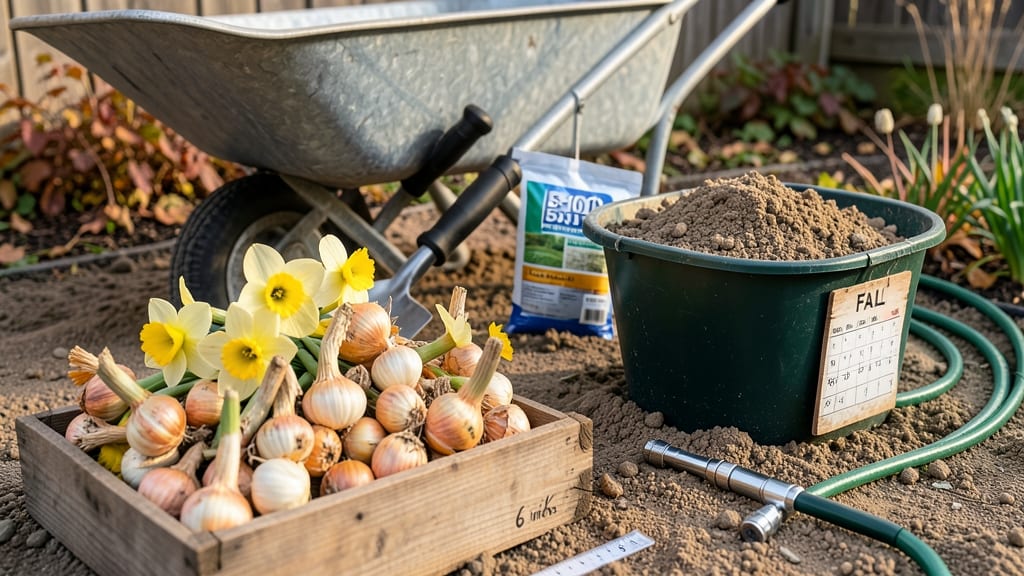
Planting daffodil bulbs at the wrong time in Arkansas could mean skipping next spring’s vibrant 🌷 displays—no one wants that! The key to success lies in understanding your zone’s frost-free deadlines, which vary between 7a and 8a.
For most of Arkansas, October through November is prime time, but timing shifts slightly depending on whether you’re in the cooler northern regions or the milder southern areas. I’ll break down exactly when to plant in each zone—and how to adjust if Arkansas’ unpredictable fall weather throws a curveball.
You’ll also learn how to prep your soil for well-draining conditions (critical for daffodils!) and spot the warning signs of planting too early or late. Trust me, these small tweaks make all the difference between a thriving garden and bulbs that never bloom.
Whether you’re a first-time gardener or a seasoned pro, these Arkansas-specific tips will help you get your 🌷 daffodils in the ground just right—so you can enjoy cheerful spring blooms year after year.
Arkansas daffodil planting deadlines by hardiness Zone (7a, 7b, 8a)
Arkansas spans USDA Zones 7a through 8a, and the difference between these zones can mean the difference between perfectly timed daffodil blooms and bulbs that rot before spring.
In Zone 7a (northern Arkansas), your last frost typically arrives around March 15, while Zone 8a (southern Arkansas) enjoys a longer growing season with first frosts often delayed until mid-November.
For optimal daffodil growth, plant bulbs when soil temperatures drop to between 40-60°F—this window usually falls in late October to early November across most of Arkansas. However, microclimates matter: valleys and lower elevations may freeze earlier than hilltops, so adjust your planting schedule accordingly.
Here’s the exact planting timeline for each Arkansas zone to ensure your daffodils get the 6-8 weeks of cold dormancy they need before blooming:
| Zone | Ideal Planting Window | Soil Temp Requirement | First Frost Date | Action |
|---|---|---|---|---|
| Zone 7a (e.g., Fayetteville, Rogers) | October 15–November 5 | 40–50°F | November 10–15 | Plant by November 5 to avoid frost damage. |
| Zone 7b (e.g., Little Rock, Hot Springs) | October 20–November 10 | 45–55°F | November 15–20 | Plant by November 10 for best results. |
| Zone 8a (e.g., Texarkana, El Dorado) | November 1–15 | 50–60°F | November 20–December 5 | Plant by November 15 to extend bloom season. |
🌷 Pro Tip: Use a soil thermometer to confirm temperatures before planting.
If you’re in northern Arkansas (Zone 7a), aim to plant by November 5—any later, and your bulbs may not establish roots before the ground freezes.
In southern Arkansas (Zone 8a), you’ve got a little more flexibility, but don’t wait past November 15, or your daffodils might bloom too late for a full spring display.
Arkansas’ humid climate also plays a role. If your fall is unusually wet, plant bulbs in raised beds or containers to prevent rot from soggy soil. Conversely, if drought conditions persist, water bulbs deeply after planting to encourage root growth before winter sets in.
For extra insurance, consider planting a test bulb in early October. If it sprouts by November, your main planting is safe. If not, wait another 2 weeks before committing to your full batch. This simple trick saves you from wasted bulbs and disappointed spring blooms.
Remember, daffodils thrive on consistency. Planting at the right time ensures they’ll bloom reliably year after year, even in Arkansas’ unpredictable weather. Once established, these hardy bulbs will naturalize and multiply, creating vibrant spring carpets that brighten your garden for decades.
Now that you’ve got your zone-specific deadlines, let’s tackle Arkansas’ tricky fall weather—because even the best-laid plans can go awry when early frosts or sudden heatwaves strike. Stay tuned for proven strategies to adjust your planting schedule and protect your bulbs.
How to time daffodil bulbs for Arkansas’ unpredictable fall weather
Arkansas’ fall weather can be as unpredictable as a tornado warning—one day warm enough for shorts, the next a frost advisory. To beat these surprises, I’ve planted daffodil bulbs for years and learned that soil temperature and moisture levels are your best friends.
Aim to plant when soil temps hit 40-60°F, usually late October to early November, but always check local forecasts for early cold snaps.
If your area gets a sudden early frost, don’t panic—just cover bulbs with straw mulch (2-3 inches) to insulate them. This trick has saved my 🌷 daffodils more times than I can count!
For southern Arkansas (Zone 8a), you’ve got a little more wiggle room—plant as late as mid-November if needed.
Here’s my foolproof backup plan: Keep a few bulbs in the fridge until late November if fall stays unusually warm. Store them in a paper bag (not plastic!) in the crisper drawer until you’re ready to plant.
Pro tip: Test soil moisture before planting—if it’s soggy, wait a few days or amend with compost to improve drainage.
- 📅 Pick your window: Plant between October 15 and November 15, depending on your zone.
- 🌡️ Check soil temp: Use a soil thermometer—aim for 50-60°F at 4" depth.
- 💧 Test moisture: Soil should be damp but not waterlogged. If too wet, wait 3-5 days.
- 🪴 Plant depth: Bury bulbs 6-8 inches deep, pointy end up, 4-6 inches apart.
- 🌿 Mulch lightly: Add 2 inches of straw to protect from frost or heatwaves.
- 📝 Mark your calendar: Note planting dates to track bloom timing next spring!
For Arkansas gardeners, adjusting for humidity is key—too much moisture in spring can rot bulbs. If your area gets heavy rains, plant on mounds or raised beds to improve drainage. And if you’re in a low-lying area prone to frost pockets, plant bulbs on slopes or hillsides for better airflow.
One mistake I made early on? Planting too early in September when soil was still warm. The bulbs sprouted prematurely and got fried by a late heatwave. Now, I wait until after Labor Day unless I’m in southern Arkansas (Zone 8a), where I might start in early October.
Remember, daffodils are hardy survivors—they’ll bounce back from minor timing mistakes, but perfect conditions mean bigger blooms and fewer pests. With these strategies, you’ll have 🌷 daffodils popping up like clockwork next spring! 🌱