
Plants
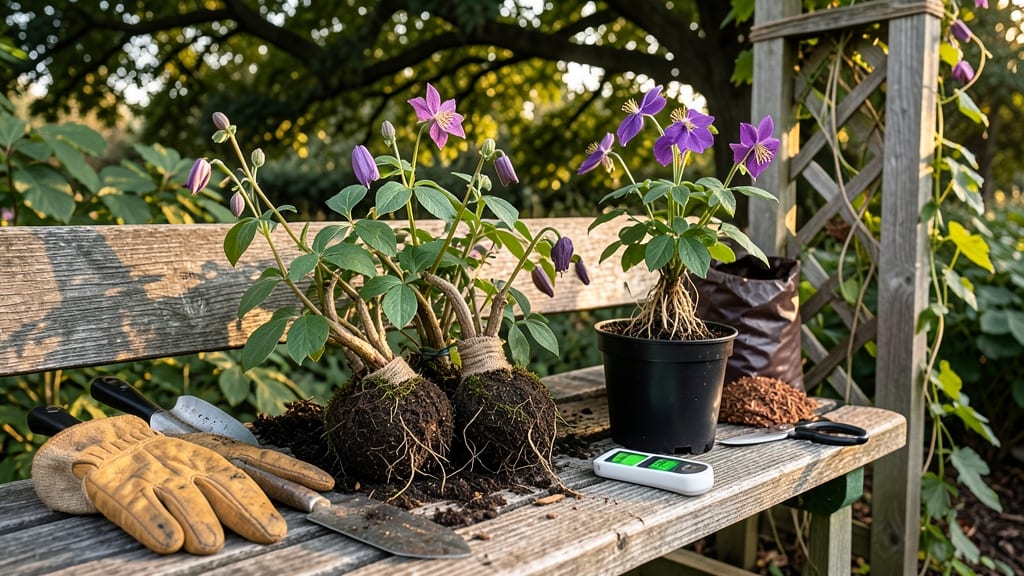
Timing your clematis planting in Zone 8 could mean the difference between a thriving vine 🌸 and one that struggles through winter. If you plant too early, your clematis might not establish strong roots before the heat sets in, while planting too late risks exposing it to frost damage.
The key is finding that sweet spot—whether you're planting in fall or spring—that gives your clematis the best chance to take hold.
For Zone 8 gardeners, fall planting is often the safest bet, with the ideal window stretching from late September to early October. This timing allows your clematis to settle in before the first frost hits around mid-November, giving it a head start on root growth.
But spring planting can also work if you time it right—just avoid waiting until the last minute, or you might end up with stressed plants.
What makes this even trickier is that microclimates and container planting can shift those deadlines. Urban areas might stay warmer longer, while rural spots could cool down faster. And if you're growing clematis in pots, you’ll need to adjust your timing to account for slower soil warming.
Let’s break down the exact windows and care steps to ensure your clematis thrives, no matter when you plant.
Once you’ve got the timing down, the next step is post-planting care—think watering, mulching, and even fertilizing at the right moments. Skipping these can undo all your hard work on timing.
Stick with me, and you’ll have a clematis that blooms beautifully year after year, no matter what Zone 8 throws at it.
Optimal fall planting deadline for Zone 8 clematis: 6-8 weeks before first frost
In Zone 8, fall is the golden window for planting clematis because cooler temperatures help roots establish before winter dormancy. Aim to plant 6-8 weeks before your first frost date, typically between mid-September and early October in most of Zone 8.
This timing ensures your clematis has 4-6 weeks of root growth before the ground freezes.
For Northern Zone 8 (e.g., parts of California, Nevada), where frost arrives earlier (around November 15), plant by late September to avoid winter stress. In Southern Zone 8 (e.g., Arizona, southern Texas), you can extend planting until mid-October due to later frost dates.
Clematis thrive when planted in cool but frost-free soil. Test soil temperature with a soil thermometer—ideal planting temps range between 50°F and 60°F. If soil is still warm (above 65°F), delay planting to prevent transplant shock.
Here’s what you need to know about fall planting success in Zone 8:
| Factor | Zone 8 Northern | Zone 8 Southern |
|---|---|---|
| Planting Window | Mid-Sept to early Oct | Late Sept to mid-Oct |
| Soil Temp Goal | 50°F–60°F | 50°F–60°F |
| Root Growth Window | 4–6 weeks | 5–7 weeks |
| Mulch Depth | 3–4 inches | 2–3 inches |
To prepare your clematis for winter, mulch heavily around the base with 3–4 inches of organic mulch (e.g., shredded bark or straw). This insulates roots and prevents frost heave. Avoid mulching too early—wait until soil temps drop below 60°F to prevent fungal growth.
If you miss the fall window, don’t panic—spring planting is still viable, but it requires extra care to prevent heat stress during establishment. The key is to plant before buds swell, usually by mid-March in Zone 8.
Pro tip: Pair fall planting with a balanced fertilizer (e.g., 5-10-10) at half-strength to encourage root growth without promoting tender new shoots. Water deeply once a week after planting to settle soil around roots.
🌿
Spring planting timeline for Zone 8: when to avoid late blooms and heat stress
Spring planting for clematis in Zone 8 is all about balance—you want to give your vines time to establish roots before the summer heat kicks in, but not so late that they miss the growing season.
The ideal window is between late February and early April, with the last frost date (March 15) as your cutoff. Planting too early risks exposing tender roots to late frosts, while waiting too long can lead to heat stress and poor blooming.
If you’re planting in early spring (February-March), focus on varieties that bloom on new wood, like 'Jackmanii' or 'Niobe,' since they’re more forgiving of delayed root growth. These types can bounce back faster if they experience a little transplant shock.
For late-blooming varieties (like 'Henryi'), aim to plant by mid-April at the latest to ensure they have enough time to establish before summer dormancy sets in.
Here’s the critical timeline to follow: Start preparing your soil in late winter (January-February) by amending it with compost and a balanced fertilizer (5-10-10). Once the ground is workable (around mid-February), dig in your clematis, ensuring the crown sits 4-6 inches below soil level.
This depth protects it from temperature swings and encourages deeper root growth.
| Stage | Action | Key Notes |
|---|---|---|
| Late Winter (Jan-Feb) | Prep soil with compost | Avoid heavy clay; aim for well-draining soil. |
| Mid-February | Plant crown 4-6" deep | Protects roots from temperature swings. |
| March (Post-Last Frost) | Water deeply weekly | Keep soil moist but not soggy. |
| April (Last Chance) | Apply mulch (3" layer) | Retains moisture and regulates soil temp. |
One of the biggest mistakes I see in spring planting is skipping the mulch. A 3-inch layer of organic mulch (like shredded bark or straw) helps retain moisture and keeps soil temperatures stable, which is crucial for young roots.
Without it, your clematis might struggle during Zone 8’s hot summers, leading to wilting or stunted growth. Pair this with morning watering to avoid fungal issues from evening moisture.
Watch for transplant shock signs like yellowing leaves or wilting stems in the first few weeks after planting. If you notice these, trim back any damaged foliage and give your clematis a light fertilizer feed (half-strength) to encourage recovery.
Most varieties bounce back within 4-6 weeks if given consistent care. For container-grown clematis, extend your planting window by 2-3 weeks since pots warm up faster in spring.
By following this timeline, you’ll give your clematis the best shot at thriving in Zone 8’s variable spring weather. The key is acting early enough to avoid heat stress but not so early that late frosts catch your plant off guard.
With the right timing and care, your clematis will reward you with vibrant blooms by summer—no guesswork required! 🌸