
Plants
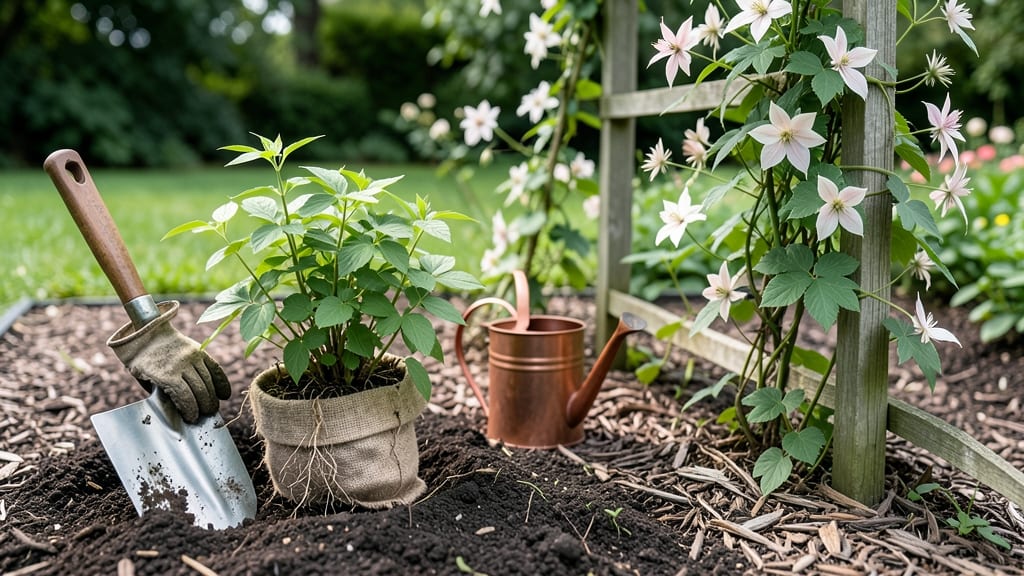
If you're asking when to plant clematis in Indiana, timing is everything for those stunning 🌸 blooms that can climb 20 feet tall.
Indiana's USDA Zone 6 climate means frost can still linger into April, while summer heat arrives fast—getting the window wrong could mean struggling vines or missed blooms.
Most Indiana gardeners swear by early spring planting, right after the last frost date (usually mid-April), when soil temperatures reach 50°F. But there's a trickier option: late summer planting can work too, if you're willing to baby your young plants through the first frost.
The key is preparing your soil properly—Indiana's clay-heavy dirt needs extra attention to ensure roots get the drainage they crave.
Whether you're planting in containers or directly in the ground, we'll break down exactly when to put those clematis roots in the soil for maximum success. You'll learn how to read Indiana's microclimates, when to adjust for container growing, and even how to protect fall plantings from early freezes.
Let's get those vines growing strong!
By the end, you'll know not just when to plant, but how to give your clematis the best possible start—so you can enjoy those dramatic blooms year after year.
Ready to transform your garden with this easy-care vine? Let's dive into the perfect planting schedule for Indiana's unique growing conditions.
Best planting months for clematis in Indiana’s Zone 6 climate
Indiana’s USDA Zone 6 climate offers a narrow but critical window for planting clematis—a vine that thrives when given the right start. The last spring frost typically arrives around mid-April, while the first frost often hits by mid-October.
This leaves just 165 frost-free days, making timing your most important tool for success.
Most Indiana gardeners swear by early spring planting (March–April) when soil temperatures reach 50°F (10°C). This gives clematis roots 6–8 weeks to establish before summer’s heat stress.
However, late spring (May–June) is also viable if you’re planting bare-root clematis or container-grown varieties, as long as you provide consistent moisture.
Fall planting is riskier but possible if you act 6–8 weeks before frost. This means late August to early September—just enough time for roots to settle before winter.
Many gardeners skip fall planting entirely due to Indiana’s unpredictable early October freezes, but hardy varieties like Clematis montana can sometimes pull it off.
🌱 Clematis Planting Timeline for Indiana
| Season | Best Months | Soil Temp | Key Considerations |
|---|---|---|---|
| Early Spring | March–April | 50–60°F (10–15°C) | Ideal for root growth; avoid frost-prone weeks. |
| Late Spring | May–June | 60–70°F (15–21°C) | Best for container-grown plants; mulch heavily. |
| Fall | Late Aug–Early Sept | 55–65°F (13–18°C) | Risky; only for hardy varieties with root protection. |
Indiana’s microclimates can shift planting windows by weeks. For example, northern Indiana (Zone 5b) may need to wait until late April, while southern Indiana (Zone 6b) can start as early as mid-March.
Always check your local Indiana State Climate Office for recent frost data—especially if you’re planting near urban heat islands or lake-effect zones.
Heat waves in late May can stress young clematis plants, so avoid planting after May 15 unless you’re using container-grown specimens with established root balls. These adapt faster to summer heat but require daily watering for the first 30 days.
If you miss the spring window, don’t despair—June planting is still possible for container-grown clematis, but expect slower first-year growth. The key is to mulch deeply (3–4 inches) and water at the base (not overhead) to prevent fungal issues common in Indiana’s humid summers.
For fall planting, focus on hardy varieties like Clematis armandii or Clematis viticella, which tolerate cooler soils. Plant by September 1 at the latest, and use straw mulch (not leaves) to insulate roots. Avoid fall planting for large-flowered hybrids, which are less cold-hardy.
Pro tip: Use a soil thermometer to confirm 50°F (10°C) soil temps before planting—this is your green light for success. In Indiana’s clay-heavy soils, amending with compost or peat moss improves drainage, reducing the risk of root rot during Indiana’s wet springs.
Remember, clematis roots are sensitive to soil disturbances, so avoid planting during Indiana’s rainy periods (April–May). Instead, wait for mild, dry spells to minimize stress on your new vines.
Best planting months for clematis in Indiana’s Zone 6 climate
Indiana’s USDA Zone 6 climate creates a tight window for planting clematis—too early and frost zaps tender roots, too late and summer heat stresses young plants.
My ideal months are April and early May, when soil temperatures consistently stay above 50°F, but late summer planting can work with extra care.
Most Indiana gardeners aim for mid-April to early May, right after the last frost date. This timing aligns with when soil warms enough for root growth, while still leaving 6-8 weeks before summer’s peak heat.
For container-grown clematis, you can plant slightly later—late May to early June—since pots warm faster.
Here’s how Indiana’s microclimates affect timing: Northern regions (like Gary or South Bend) may need to wait until late April due to later frost dates, while southern areas (like Evansville) can plant as early as mid-March in sheltered spots.
Always check your local frost-free date—Indiana’s varies by 1-2 weeks across the state.
| Planting Window | Soil Temp Requirement | Indiana-Specific Notes | Best For |
|---|---|---|---|
| Mid-April to early May | 50°F+ consistently | Primary window for ground planting; aligns with last frost | Most varieties (early bloomers) |
| Late May to early June | 55°F+ consistently | Container planting only; soil warms faster in pots | Late-season varieties |
| Late August to early September | 60°F+ (daytime) | Fall planting requires root protection; best for hardy varieties | Experienced gardeners only |
Heatwaves in late May can stress newly planted clematis, so always plant before Memorial Day if possible. For fall planting (a riskier option in Zone 6), aim for late August to early September—giving roots 6-8 weeks to establish before first frost.
I’ve seen gardeners in southern Indiana succeed with September plantings by using mulch blankets for extra insulation.
Pro tip: Use a soil thermometer to confirm temperatures—Indiana’s clay soils can stay cold longer than sandy areas. For container plantings, black pots absorb heat faster, letting you plant 2-3 weeks later than ground plantings. Always harden off container-grown clematis for 7-10 days before planting outdoors.
Remember: Clematis planted in April-May will typically bloom the following year, while late summer plantings may take 2 years to reach full bloom. The trade-off? Earlier planting gives your vines more time to establish before Indiana’s brutal summer heat sets in.