
Plants
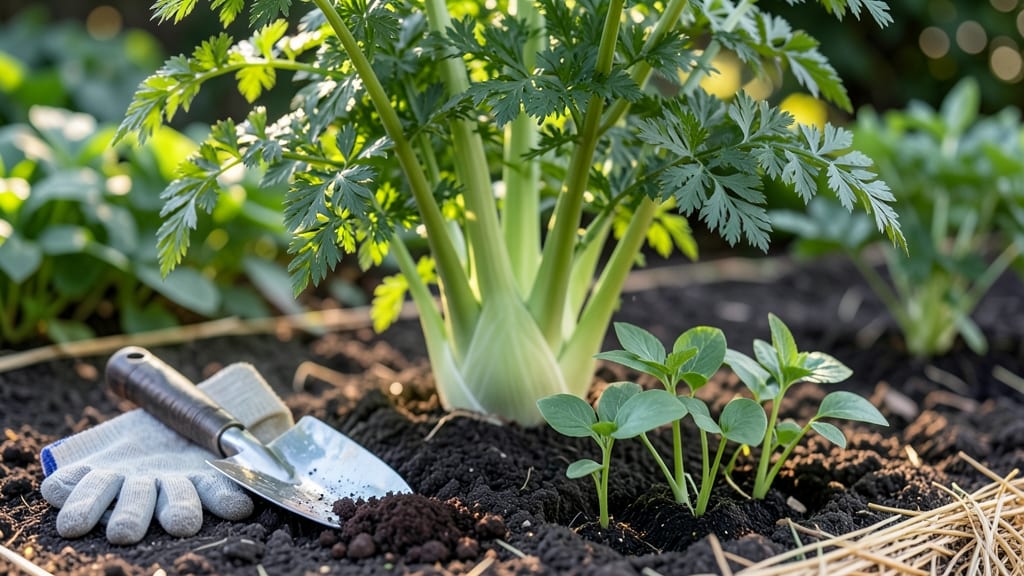
If you've ever tried when to plant celery in Florida only to watch it bolt into bitter stalks by summer, you're not alone—but there's a simple fix.
The key to crisp, zero-bolt harvests lies in planting during the perfect fall window, when cooler temperatures and shorter days create ideal growing conditions for your 🥬.
Florida's warm climate means summer planting is a recipe for disaster, but fall offers a 120-day window where celery thrives. Whether you're in North Florida's 9a zone or South Florida's balmy 11, timing matters more than you might think.
Let me show you exactly when to plant for harvests from October through April.
We'll cover region-specific deadlines, soil prep secrets, and how to avoid common Florida mistakes that turn your celery into a sad, stringy mess. No more guessing games—just reliable, crisp stalks ready for your kitchen.
Ready to grow celery that actually tastes fresh? Let's dive into the exact planting schedule and pro tips that will change your garden game this fall.
Florida’s best celery planting windows for zero-bolt success
Celery thrives in Florida’s cooler seasons, but timing is everything to avoid bolting (premature flowering). The key is planting when soil temps drop below 80°F—typically in late summer to early fall.
North Florida’s cooler microclimates allow earlier starts, while South Florida’s heat extends the window. Direct-sown seeds germinate best in 60-70°F soil, so wait until after August’s heat spikes.
Celery’s ideal growing window spans August through November, with harvests stretching into March or April.
This timing aligns with Florida’s USDA Zones 9a-11, where frost is rare but heat stress is the real enemy. Fall planting ensures crisp stalks before winter’s mild chill sets in—perfect for Florida’s 365 frost-free days.
🌱 Did You Know? Celery’s heat tolerance threshold is 75°F for optimal growth. Above 85°F, bolting accelerates, ruining your harvest. Florida’s humidity also demands proper airflow to prevent fungal diseases like early blight.
| Stage | Action | Florida-Specific Notes |
|---|---|---|
| Soil Prep | Test pH (6.0-7.0), amend with compost | Florida’s sandy soils need organic matter for moisture retention |
| Planting Window | Aug 1–Nov 15 (varies by region) | North FL: Start by Aug 15; South FL: Delay until Sep 15 |
| Seedling Care | Keep soil moist, thin to 6" apart | Use shade cloth (30-50%) in South FL to reduce heat stress |
| Harvest Window | Oct–Apr (4–6 months after planting) | Winter harvests are sweetest in North FL (cooler nights) |
| Critical Threshold | Soil temp < 80°F | Monitor with a soil thermometer—above 85°F triggers bolting |
For North Florida gardeners (Zones 8a-9a), aim for August 1–September 15 planting to beat the first light frosts (rare but possible in January).
In Central Florida (Zone 9b), stretch your window to August 15–October 1, while South Florida (Zones 10a-11) can plant as late as September 15–October 15.
Celery’s slow germination (10–21 days) means direct sowing is best—avoid transplants, which struggle with Florida’s humidity. Use black plastic mulch to warm soil faster in North FL or shade cloth to cool it in South FL. Succession planting every 2–3 weeks ensures continuous harvests.
Pro tip: Hardening off seedlings is critical in Florida. Gradually expose young plants to afternoon sun and humidity over 7–10 days before transplanting. Skip this, and your celery will bolt or wilt under stress. 💧
Celery’s harvest window peaks from October through April, with North FL enjoying cooler winter nights that sweeten the stalks. In South FL, harvests may extend into May if planted early, but heat stress reduces quality. Always harvest when stalks reach 12–18 inches—any taller, and they’ll toughen.
Florida’s microclimates demand flexibility. Coastal areas stay warmer longer, while inland zones cool faster. Use a weather station to track soil temps—your celery’s success hinges on this. 🌡️
Finally, companion planting boosts yields. Pair celery with beans, cucumbers, or lettuce to improve soil and deter pests. Avoid planting near tomatoes or carrots, which compete for nutrients. 🌿
Critical fall planting deadlines by Florida region (with backup months)
Florida’s climate varies dramatically from North to South, so your celery planting deadline depends on your USDA Zone. North Florida’s cooler winters mean earlier starts, while South Florida’s mild climate allows later plantings. Here’s the breakdown to avoid bolt-prone failures.
For North Florida (Zones 8a-9a), aim to plant August 1–September 15. Soil temps should stay below 80°F to prevent bolting. If you miss this window, try a backup month of October—but expect slower growth.
In Central Florida (Zones 9a-9b), your ideal window stretches from August 15–October 1. The September 1–15 period is sweet spot for crisp harvests by winter. Late starts? October works, but use shade cloth to protect seedlings.
| Region | Primary Planting Window | Backup Month | Key Tip |
|---|---|---|---|
| North Florida | August 1–September 15 | October (with shade) | Use row covers for early frosts |
| Central Florida | August 15–October 1 | November (slow growth) | Mulch heavily to retain moisture |
| South Florida | September 1–October 15 | November (best for winter crops) | Avoid summer planting—heat bolting risk |
South Florida (Zones 10a-11) gardeners can plant September 1–October 15 for winter harvests. The heat tolerance here is higher, but avoid summer planting—celery bolts faster than you can say “hurricane season.” For a backup month, try November, but expect slower growth.
Microclimates matter! Coastal areas stay warmer longer, while inland zones cool faster. Adjust your planting deadline by 1–2 weeks if you’re near the coast. For example, Tampa’s inland heat means earlier starts, while Miami’s coastal breeze extends the window.
Pro tip: Test your soil temperature before planting. Use a soil thermometer—ideal temps are 60–75°F. If it’s above 80°F, wait or use shade cloth to buy time. Timing is everything for crisp, bolt-free celery in Florida!