
Plants
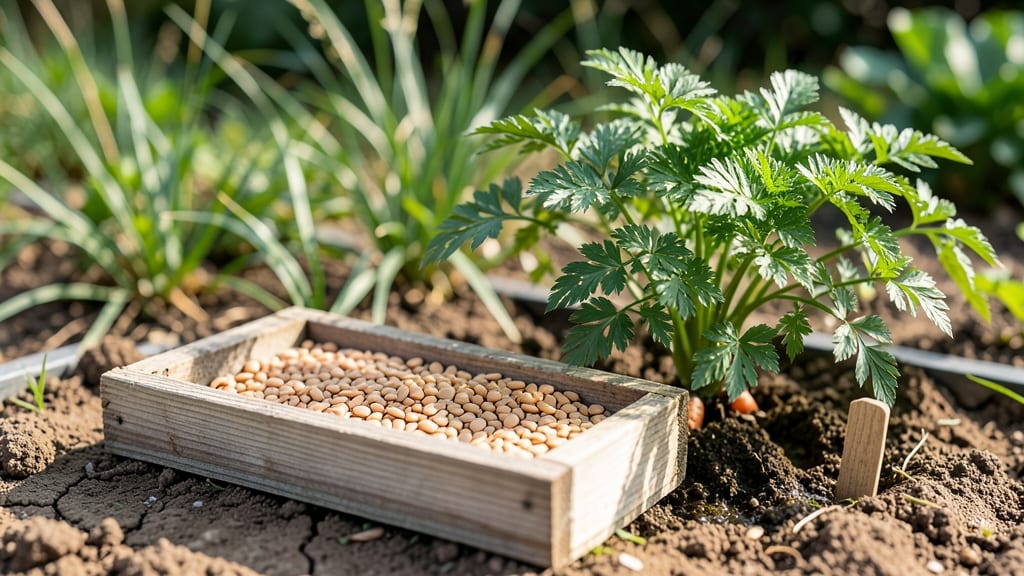
Timing your carrot 🥕 planting in East Tennessee can make the difference between a bountiful harvest and struggling with tough, bitter roots.
With our 6b-7a climate, getting those seeds in the ground at just the right moment is key—too early and frost will nip them, too late and summer heat will turn them woody.
Most gardeners here know the early spring window (March-April) is prime time, but did you know late summer (July-August) offers a second chance for fall harvests? I've learned the hard way that skipping this second planting means missing out on crisp roots when they're most flavorful.
The secret lies in understanding your local frost dates and soil temperatures.
In this guide, I'll walk you through exactly when to plant for both seasons, how to prep your soil for East Tennessee's rocky terrain, and which varieties thrive best in our variable climate.
Whether you're a first-time gardener or a seasoned grower, these tips will help you grow carrots that are straight, sweet, and ready to harvest by late spring or fall.
Let's dive into the perfect planting schedule that actually works for our region—no more guessing games about when to start your seeds for the best possible results.
Best planting times for carrots in East Tennessee’s climate zones (6b-7a)
East Tennessee’s USDA Zones 6b-7a create a unique growing window for carrots, where timing directly impacts your harvest’s sweetness and texture. Unlike warmer regions, our cooler springs and early autumn frosts demand precise planting to avoid woody roots or bolted greens.
The key lies in two distinct windows: early spring and late summer, each with its own microclimate considerations.
For Knoxville’s higher elevations (Zone 6b), aim to plant 4-6 weeks before your last frost date—typically mid-March to early April. Meanwhile, areas near Chattanooga’s lower elevations (Zone 7a) can start slightly earlier, around late February to March.
Both regions share one critical rule: soil temperatures must reach 50°F before sowing, or seeds risk rotting in cold, wet earth.
Here’s how to align your planting with East Tennessee’s frost-free season of about 165 days, ensuring you maximize your growing window without rushing the harvest:
| Planting Window | Ideal Months | Soil Temp Requirement | Days to Harvest | Notes for East TN |
|---|---|---|---|---|
| Early Spring | March–April | 50°F+ | 60–80 days | Plant under row covers if late frost risk; use cold-hardy varieties like 'Danvers' or 'Chantenay'. |
| Late Summer | July–August | 60°F+ | 50–70 days | Sow 8–10 weeks before first frost (mid-October); choose short-day varieties like 'Paris Market' to avoid bolting. |
| Succession Planting | Every 2–3 weeks | 50°F+ | 50–60 days | Stagger plantings in spring and fall for continuous harvest; ideal for small gardens. |
East Tennessee’s microclimates can shift planting windows by 2–3 weeks. For example, Knoxville’s higher elevations often experience later last frosts (around April 20–May 1), while Chattanooga’s valleys may see frost as early as April 10.
To adjust, monitor local frost forecasts and use soil thermometers—carrot seeds need consistent warmth to germinate efficiently.
One common misconception is that fall planting isn’t viable in East Tennessee, but with the right cold-hardy varieties and protective measures, you can harvest well into October.
The trick is selecting short-season varieties like 'Early Nantes' or 'Little Finger' that mature in 50–60 days, giving you time to pull roots before hard frosts arrive.
For container gardening in urban areas like Knoxville or Asheville, start seeds indoors 4–6 weeks before your last frost, then transplant seedlings into deep pots (12+ inches) filled with loose, rocky-free soil. This method extends your growing season by 2–3 weeks compared to direct sowing.
Pro tip: Mark your planting dates on a garden calendar and track soil temperatures with a digital thermometer. In East Tennessee, soil can stay cold well into April, even if air temperatures rise.
Waiting for consistent 50°F+ soil temps ensures 90%+ germination rates and avoids the heartbreak of rotten seeds.
If you’re new to growing carrots in our region, start with small test batches in early April and late July to gauge your local conditions. Over time, you’ll refine your timing to match East Tennessee’s unpredictable weather patterns, from late spring heatwaves to early autumn frosts.
Remember, the goal is crisp, sweet roots, not just any harvest. By aligning your planting with soil temperatures, frost dates, and variety maturity times, you’ll transform East Tennessee’s challenging climate into your carrot-growing advantage. 🥕
Best planting times for carrots in East Tennessee’s climate zones (6b-7a)
East Tennessee’s 6b-7a climate gives us a 165-day frost-free window, but timing is everything for carrots. The key is planting when soil temperatures hit 45-55°F—too cold and seeds rot, too warm and they bolt.
For most of the region, that means early spring (March-April) and late summer (July-August) are your best bets.
In Knoxville (Zone 6b), where nights stay chilly longer, aim for late March to early April for spring planting. Meanwhile, Chattanooga’s lower elevation (Zone 7a) lets you start as early as mid-February in protected beds.
Both areas can squeeze in a fall crop by planting in late July—just beat the mid-October frost by harvesting before temperatures dip.
Here’s the breakdown of ideal planting windows tailored to East Tennessee’s microclimates:
| Planting Window | USDA Zone 6b (Knoxville) | USDA Zone 7a (Chattanooga) | Soil Temp Requirement |
|---|---|---|---|
| Early Spring | Late March–Early April | Mid-February–Mid-March | 45–55°F |
| Late Summer | Late July–Early August | Early July–Mid-July | 50–65°F |
| Harvest Window | May–June & September–October | April–June & September–November | Before first frost |
For high-altitude areas like the Smoky Mountains, push spring planting back to mid-April—cooler nights delay soil warming. Meanwhile, lowland areas near the Cumberland Plateau can start 2 weeks earlier thanks to faster soil warming. Always check a soil thermometer before planting to avoid guesswork.
Pro tip: Use black plastic mulch in early spring to warm soil faster, or row covers in late summer to extend the harvest window. Both tricks help compensate for East Tennessee’s unpredictable weather swings between seasons.
Once you’ve nailed the timing, focus on soil prep—carrots hate rocky or compacted soil. Work in compost and sand to create a loose, fine-textured bed where roots can grow straight and sweet.