
Plants
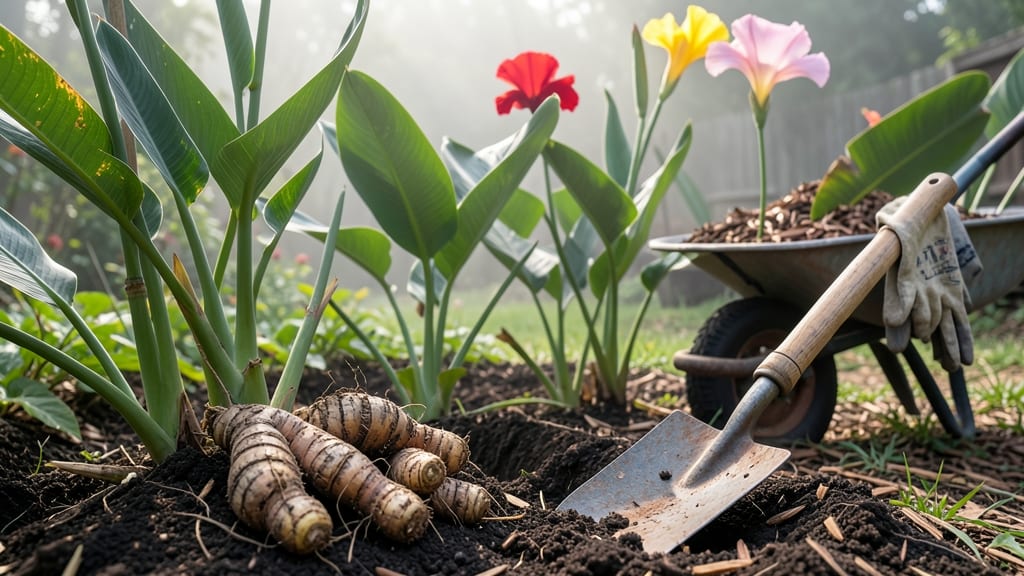
Timing the planting of canna bulbs in Michigan can make or break your summer garden—those stunning 🌺 blooms need the perfect warm-up to thrive. If you plant too early, frost will zap your progress; too late, and you’ll miss out on months of vibrant color.
The key lies in waiting until the soil warms up and all danger of frost has passed, usually between mid-May and early June.
Michigan’s 5b-6b climate means you’ve got a narrow window to get these tropical-looking plants in the ground, but don’t worry—it’s all about reading your local frost dates and soil temperature.
Canna lilies are treated as annuals in most of Michigan, but with the right care, you can coax them back year after year. The secret? Planting when the ground hits at least 60°F and keeping them happy until the first frost.
I’ll walk you through exactly how to time your planting, from checking soil warmth to adjusting for your specific region. Whether you’re a seasoned gardener or just starting, these steps will help you avoid common mistakes and ensure your cannas burst into bold blooms all season long.
Ready to transform your garden into a summer spectacle? Let’s dive into the frost-free timeline that’ll give your canna lilies the best possible start—and keep them thriving until fall.
Michigan’s frost-free dates: the exact window for planting canna bulbs
Canna lilies (Canna × generalis) need warm soil and frost-free conditions to thrive, making Michigan’s USDA zones 5b-7a a bit tricky. The last spring frost typically arrives between mid-April and mid-May, but cannas won’t tolerate even light frosts.
My rule? Wait until soil temperatures hit 60°F (15°C) consistently—usually 2-4 weeks after the official frost date.
Michigan’s growing season varies wildly by region. Southern zones (like Southeast Michigan) can plant as early as late April, while Northern Michigan may need to wait until early June. I always check the Michigan State University frost date maps to pinpoint my local window.
Here’s the key takeaway: Planting too early risks frost damage to emerging shoots, while planting too late cuts your blooming season short. Canna bulbs need 90-120 days of warm weather to reach peak performance, so timing is everything.
🌱
| Michigan Region | USDA Zone | Avg. Last Frost | Recommended Planting Window | Soil Temp Check |
|---|---|---|---|---|
| Southeast MI (Detroit, Ann Arbor) | 6a-6b | April 25-May 5 | May 10-20 | 60°F+ (May 1-10) |
| Central MI (Lansing, Grand Rapids) | 5b-6a | May 5-15 | May 25-June 5 | 60°F+ (May 15-25) |
| Northern MI (Traverse City, Marquette) | 5a-5b | May 15-30 | June 10-20 | 60°F+ (June 1-10) |
| Upper Peninsula | 4b-5a | June 1-15 | June 25-July 5 | 60°F+ (June 15-25) |
🌡️ Pro Tip: Use a soil thermometer to confirm warmth—cold soil delays growth.
To prep canna bulbs for Michigan’s unpredictable springs, I soak them in lukewarm water for 24 hours before planting. This jumpstarts growth and helps them outpace frost risks. For zone 5 gardeners, consider starting bulbs indoors under grow lights in early April, then transplant after Memorial Day.
Another trick? Plant cannas in containers filled with black plastic-lined pots. The dark material absorbs heat, warming the soil faster—perfect for late-May plantings in cooler zones. I’ve seen cannas thrive in Northern Michigan using this method!
For soil prep, amend your garden beds with compost and a balanced fertilizer (10-10-10). Cannas love rich, well-draining soil with a pH of 6.0-7.0. I mix in a handful of bone meal at planting time to boost early root growth.
Once planted, mulch heavily with straw or shredded leaves to insulate roots. This helps maintain soil warmth and moisture levels, especially during Michigan’s hot summers. I’ve found that mulched cannas bloom 2-3 weeks earlier than unmulched plants.
Remember: Cannas are not winter-hardy in Michigan. Treat them as annuals unless you dig and store rhizomes indoors (more on that in Section 2). With the right timing, though, you’ll enjoy stunning summer blooms from July through October!
☀️
Michigan’s frost-free dates: the exact window for planting canna bulbs
Michigan’s USDA zones 5-7 create a tricky balance for canna bulbs, which crave warmth but face unpredictable springs. The last frost date varies wildly—from mid-April in southern Michigan to late May in northern regions.
Waiting until after frost isn’t enough; you also need soil temperatures above 60°F (15°C) for cannas to thrive.
Canna bulbs are tender perennials in Michigan, meaning they’ll die back in winter but can be digged up and stored for next year. In warmer southern zones (like USDA 6b+), they may survive mild winters with heavy mulch protection.
For northern zones (5a-5b), treat them as annuals or use containers for flexibility.
🌱Pro Tip: Check your local Michigan State University Extension frost maps for precise dates, or use a soil thermometer to confirm readiness—cold soil will stunt growth even after frost risk passes.
🌿 Michigan Canna Planting Timeline by Zone
| Zone | Avg Last Frost | Planting Window | Soil Temp Goal | Action Steps |
|---|---|---|---|---|
| 5a (Northern MI) | May 15–20 | Late May–Early June | 60°F+ | Use containers; mulch heavily |
| 5b (Central MI) | May 1–10 | Mid-May–Late May | 60°F+ | Direct plant after frost; mulch |
| 6a–6b (Southern MI) | April 15–May 1 | Early April–Mid-May | 55°F+ | Plant early; may overwinter with mulch |
🌡️ Note: Always verify with your local Almanac frost dates—Michigan’s weather is famously unpredictable!
For container gardening, you can plant cannas 4–6 weeks earlier than in-ground, since pots warm up faster. Fill containers with well-draining potting mix and place them in a south-facing spot to maximize heat absorption. Just remember: containers dry out faster, so monitor moisture closely.
If you’re in USDA zone 6b+, consider leaving cannas in the ground year-round with 12+ inches of mulch (straw or leaves work well). In colder zones, dig up rhizomes after frost, trim foliage, and store them in dry peat moss at 40–50°F (4–10°C) until spring.
🌿Key Takeaway: The soil thermometer is your best friend—wait until 60°F+ in all zones, even if frost risk is gone. Rushing leads to stunted, weak plants that struggle to bloom.