
Plants
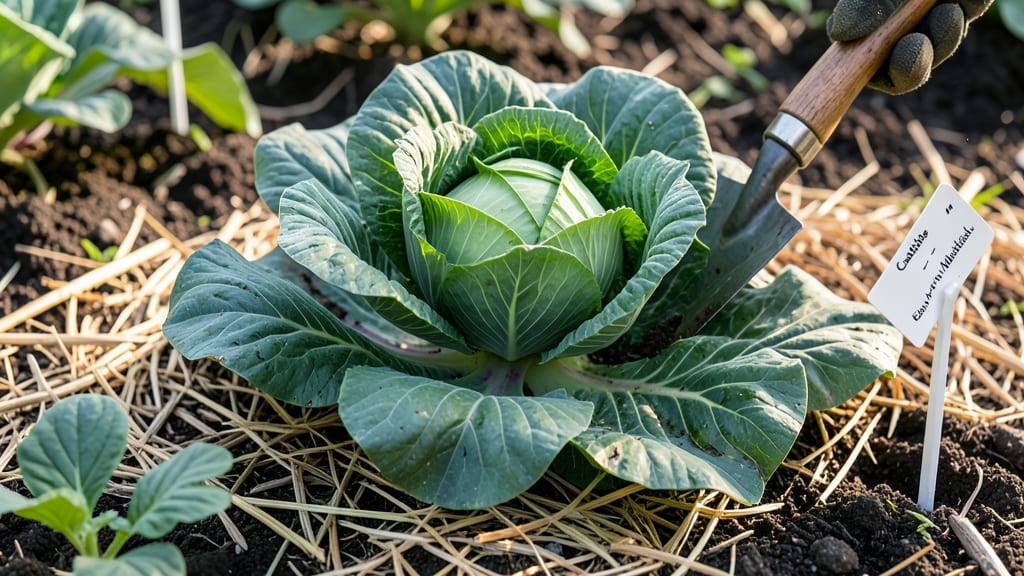
Timing your cabbage 🥬 planting in Alabama isn’t just about the calendar—it’s about outsmarting the state’s tricky frost dates and heat spikes that can turn your crop into bitter, bolted disappointment. One wrong move, and your 60-day harvest window shrinks to nothing, leaving you with nothing but frustration.
Here’s the secret: Alabama’s USDA Zones 7b-8a demand precision. Plant too early, and your cabbage bolts before forming heads. Too late, and summer’s sweltering heat sends it into survival mode.
But get it right—like timing spring starts for February-March or fall plantings in August-September—and you’ll enjoy crisp, homegrown heads from April-June and October-November.
I’ll break down the exact frost-free windows for your variety, plus 3 game-changing strategies to extend your growing season without risking bolting. No more guessing—just science-backed timing tailored to Alabama’s climate quirks.
Ready to turn your garden into a cabbage powerhouse? Let’s dive into the perfect planting schedule that keeps your crop cool, happy, and harvest-ready—no matter what Alabama throws your way.
Alabama cabbage planting calendar: frost-free windows by variety type
Alabama gardeners face a unique challenge with cabbage—our USDA Zones 7b-8a bring mild winters and hot summers, creating a tight window for successful harvests. Unlike northern states, we can grow cabbage in both spring and fall, but timing is everything to avoid bolting (when cabbage flowers prematurely).
For spring cabbage, start seeds indoors 4-6 weeks before your last frost (typically mid-February to early March), then transplant outdoors when soil temps hit 45°F.
Fall plantings should begin 8-10 weeks before first frost (usually late August to early September), with seeds sown directly in the garden.
Here’s the breakdown of your Alabama cabbage planting calendar, including variety-specific timing to maximize yields and avoid common pitfalls like heat stress or frost damage.
| Variety Type | Planting Window | Key Notes |
|---|---|---|
| Spring Cabbage (Cool-Season) | Indoors: Feb 15-Mar 1 Outdoors: Mar 15-Apr 15 |
Transplant when soil is 45°F+. Use shade cloth if temps exceed 80°F. |
| Summer Cabbage (Heat-Tolerant) | Direct Sow: Aug 15-Sep 15 | Choose heat-resistant varieties like 'Golden Acre'. Mulch to retain moisture. |
| Fall/Winter Cabbage (Cold-Hardy) | Direct Sow: Aug 1-Sep 15 | Harvest before first frost (late Nov). Use row covers for extended protection. |
| Overwintering Cabbage | Direct Sow: Sep 1-Oct 15 | Plant cold-hardy varieties like 'January King'. Mulch heavily for winter. |
Alabama’s unpredictable spring frosts are the biggest threat to early plantings. In Zone 7b (northern AL), frosts can linger until mid-April, while Zone 8a (southern AL) typically sees last frosts by mid-March.
To hedge your bets, I recommend planting succession crops every 2 weeks in spring and every 3 weeks in fall.
For summer plantings, heat is the enemy—cabbage bolts when temps exceed 85°F for prolonged periods. Use 50% shade cloth during peak afternoon sun (12 PM–4 PM) to keep leaves cool.
Varieties like 'Golden Acre' tolerate heat better than traditional green cabbage, but even they’ll struggle if soil temps exceed 90°F.
In coastal Alabama (e.g., Mobile, Gulf Shores), humidity and higher soil moisture create ideal conditions for cabbage worms and flea beetles. Rotate crops annually and apply neem oil or diatomaceous earth preventatively. Inland areas (e.g., Birmingham, Huntsville) face drier conditions, so focus on consistent mulching to retain moisture.
Pro tip: Test your soil pH (6.0–7.0) before planting—Alabama’s clay-heavy soils often need lime amendments to prevent bitter-tasting cabbage. Add compost or aged manure at planting for extra nutrients, and side-dress with balanced fertilizer (5-10-10) when heads form.
Remember, harvest timing is just as critical as planting. Spring cabbage should be ready by late May to June, while fall crops mature by October–November. If heads split or leaves yellow, it’s time to harvest—don’t wait for perfection!
🥬
How to extend Alabama’s cabbage growing season without bolting risks
Alabama’s long, hot summers and unpredictable fall frosts can turn your cabbage dreams into a bolting nightmare. But with the right strategies, you can stretch your planting windows by 4-6 weeks—both earlier in spring and later in fall—without risking bitter, seed-stalked disappointment.
First, let’s tackle the heat challenge. Summer plantings in Alabama are risky because temperatures above 80°F trigger bolting. But by using shade cloth (30-50%), you can safely plant heat-tolerant varieties like 'Golden Acre' as late as mid-August while keeping soil temps below 75°F.
How: Use 30-50% shade cloth to reduce soil temp by 10-15°F
Result: Extends summer planting by 3-4 weeks without bolting
How: Stagger plantings to ensure continuous harvest
Result: 60+ days of fresh cabbage from April-June
How: Cover soil with black plastic 1 week before planting to warm/cool soil
Result: Faster germination and bolting prevention
How: Coastal areas plant 2 weeks later than inland
Result: Avoids late spring frosts in northern Alabama
How: Use row covers to delay first frost by 2-3 weeks
Result: Harvest through December in mild winters
For fall plantings, focus on cold-hardy varieties like 'January King' and time your last planting 100-120 days before your average first frost (typically late November). Use row covers to push harvests into December, especially in Alabama’s coastal regions where winters are milder.
Don’t forget about soil prep—Alabama’s clay-heavy soils need organic matter to improve drainage. Mix in compost or aged manure before planting to create the ideal 6.0-7.0 pH environment. This prevents nutrient deficiencies that weaken plants and make them more susceptible to bolting.
Pro tip: Monitor your soil temperature with a thermometer. Cabbage thrives when soil temps are between 45-85°F. If temps climb above 85°F for more than 2 days, your plants will bolt—no matter how much shade you provide.
With these strategies, you can enjoy two full harvest seasons in Alabama—spring and fall—without the bolting risks. Start with shade cloth for summer and row covers for fall, and watch your cabbage grow strong and sweet all season long. 🥬