
Plants
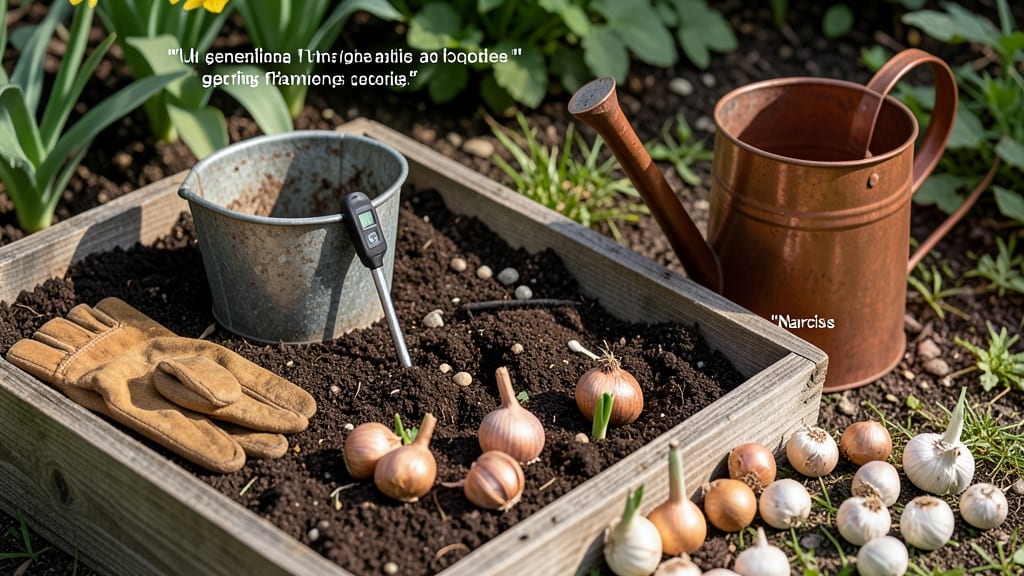
Timing is everything when it comes to planting bulbs in Houston—get it wrong, and your 🌷 might never bloom. Houston’s mild winters and humid summers create a unique challenge for gardeners, but with the right strategy, you can enjoy vibrant flowers year after year.
The key is planting bulbs during the optimal window: fall for spring bloomers or early spring for summer varieties.
Most gardeners in Zone 9A focus on fall planting, typically between October and November, to give bulbs time to establish roots before Houston’s rare cold snaps. But did you know that some bulbs, like rain lilies, actually thrive when planted in winter?
Understanding these nuances can mean the difference between a stunning garden and a missed opportunity.
I’ve tested different planting schedules in Houston’s climate, and the results speak for themselves: bulbs planted at the right time not only survive but flourish. Whether you’re a seasoned gardener or just starting, these insights will help you avoid common mistakes and maximize your success.
Let’s dive into the best months to plant, how to adjust for Houston’s microclimates, and which bulbs perform best in our unique growing conditions. You’ll leave here with a clear plan to transform your garden into a blooming paradise.
Best months to plant spring-flowering bulbs in Houston’s zone 9A
Houston’s Zone 9A climate throws a curveball to traditional bulb planting—no frost means no "wait for winter" rule. Instead, fall planting (October–November) is your golden window for spring-blooming bulbs like tulips and daffodils.
The goal? Give bulbs 6–8 weeks of cool soil before Houston’s mild winter kicks in, so roots establish without premature sprouting.
If you miss fall, early spring (February–March) is your backup. Just know: bulbs planted in spring may bloom later or less vigorously. Never plant in summer—Houston’s heat stresses bulbs before they can root.
For summer-blooming bulbs (like rain lilies), the timing flips: plant in late winter (January–February) so they’re ready to bloom when Houston’s humidity peaks. The key is soil temperature—aim for 60–65°F at planting depth.
Pro Tip: Houston’s humidity and clay soil can cause bulb rot. Always plant in amended soil with organic matter and ensure proper drainage. Raised beds or containers work wonders if your yard holds moisture like a sponge.
🌱 Houston Bulb Planting Timeline
| Bulb Type | Best Planting Month | Bloom Season | Houston-Specific Tip |
|---|---|---|---|
| Spring Bulbs (Tulips, Daffodils) | October–November | March–May | Plant deeper (8–10") to escape heat. |
| Summer Bulbs (Rain Lilies, Spider Lilies) | January–February | June–August | Use mulch to retain moisture. |
| Fall-Blooming (Camellias, Crocus) | September–October | November–December | Avoid overwatering in Houston’s rain. |
| Year-Round (Daylilies, Canna) | February–March | Year-round (with care) | Plant in well-draining spots. |
🌿 *All bulbs need 6+ hours of sun for best blooms.
Houston’s urban heat islands can make microclimates vary wildly—your yard might be 5–10°F warmer than nearby parks. If your area stays above 70°F in winter, opt for heat-tolerant bulbs like daylilies or canna, which handle Houston’s warmth better than traditional tulips.
Soil prep is non-negotiable. Houston’s clay soil bakes hard in summer and stays soggy in winter. Amend with compost or sand to improve drainage, and mulch heavily (3–4 inches) after planting to regulate soil temps. For containers, use a fast-draining mix with perlite.
Watch for premature sprouting—a common Houston pitfall. If shoots appear in winter (Dec–Jan), protect them with light shade cloth or move containers to a cooler spot.
Overwatering or poor drainage can also trigger rot, so always plant bulbs in raised beds or mounds if your soil is heavy.
Finally, fertilize lightly after blooming to fuel next year’s flowers. Use a balanced 10-10-10 fertilizer in early spring (February–March) and avoid high-nitrogen feeds—they encourage foliage over blooms. Houston’s humidity means fungal diseases lurk, so space bulbs properly (3x their width) for airflow.
With these Houston-specific tweaks, your bulbs will thrive year after year—no frost required! 🌷
How to adjust bulb planting for Houston’s unique microclimates
Houston’s microclimates can throw off even the best-laid bulb-planting plans. While most of the city sits in Zone 9A, pockets of Zone 9B near the coast experience milder winters, while urban areas like Downtown can hit 10°F colder than the suburbs.
These variations mean your tulips in Montrose might thrive while your daffodils in Clear Lake struggle.
Start by checking your exact microclimate. Coastal areas (like Galveston) rarely drop below 35°F, while inland spots near Katy can see 25°F dips.
Use a home weather station or local CoCoRaHS data to track your area’s lows—this determines whether you can plant earlier (September) or need to wait until November.
Urban heat islands also play a role. Sidewalks and buildings in Downtown Houston can trap heat, delaying soil cooling. If your yard stays 5°F warmer than nearby parks, plant heat-tolerant bulbs like rain lilies or delay planting by 2-3 weeks to avoid premature sprouting.
⚠️ Warning: Houston’s Humidity Risks
Houston’s high humidity and heavy rains create two major risks for bulbs: rot and premature sprouting. Plant in well-draining soil with a 2-inch sand layer at the bottom of holes. Avoid planting in low-lying areas where water pools, and never plant bulbs when rain is forecasted for 48 hours.
💡 Pro Tip: Use mulch (straw or pine needles) to regulate soil temperature and reduce evaporation, but keep mulch 2 inches away from bulb bases to prevent rot.
Unexpected cold snaps can also derail your plans. If a 28°F freeze is predicted after planting, cover bulbs with burlap sacks or straw mulch. For summer-blooming bulbs (like crinum lilies), time planting for January-February to let roots establish before Houston’s summer heat peaks.
Adjust your planting depth based on your microclimate. In warmer zones (9B), plant bulbs shallower (6 inches deep) to encourage faster sprouting. In cooler inland areas (9A), dig 8-10 inches deep to protect bulbs from temperature swings.
Always plant bulbs with the pointy end up—this is non-negotiable for 90% of success.
Finally, monitor your bulbs’ progress. If shoots emerge too early (before March 1), protect them with frost cloth or move potted bulbs to a sheltered spot. Houston’s unpredictable weather means flexibility is key—stay vigilant, and your bulbs will reward you with bold blooms year after year.