
Plants
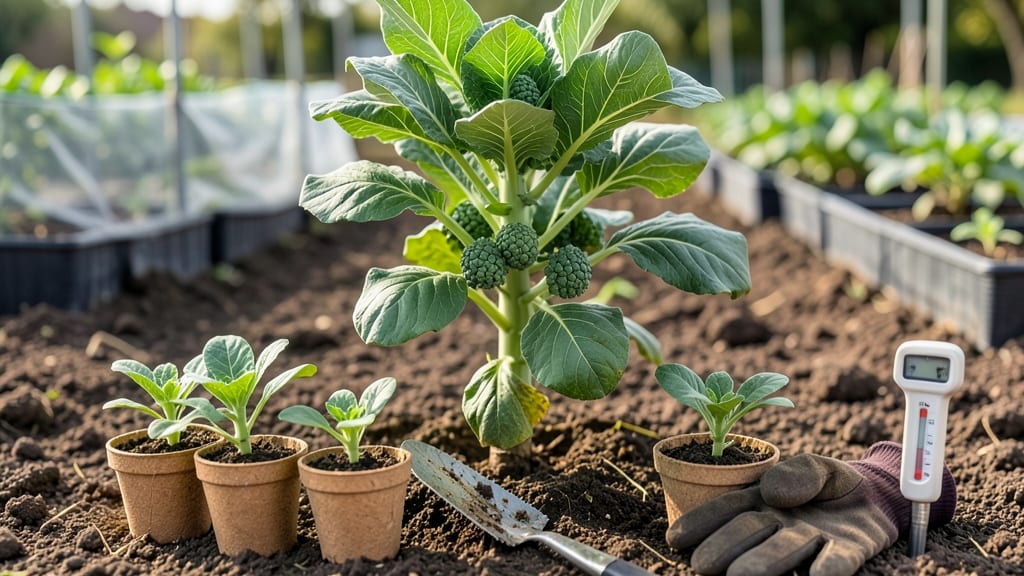
If you’ve ever stared at your seed packets for 🥦 brussel sprouts in Oregon and wondered, "Why does the planting window feel like a moving target?"—you’re not alone.
This cool-season crop thrives on precision, but Oregon’s coastal fog, inland heat spikes, and unpredictable frost dates turn timing into a high-stakes guessing game.
The key to a bumper harvest lies in knowing whether to plant in spring (mid-March to mid-July) or fall (late July to early September), and how to adjust for your specific microclimate—whether you’re in the Willamette Valley’s mild zones or Eastern Oregon’s sharper temperature swings.
Get it wrong, and you’ll either watch your plants bolt in summer heat or freeze before they mature.
I’ve grown brussel sprouts in Oregon’s 7b-9a zones for years, and the difference between a meager harvest and a towering stalk of 100+ sprouts often comes down to these two questions: When should you start seeds indoors? And how do you time direct sowing to avoid frost traps? Let’s break it down so you can plan with confidence.
You’ll also discover how to work with Oregon’s variable frost dates—from late April in coastal areas to early May inland—and which varieties hold up best in your specific corner of the state. Spoiler: The right timing isn’t just about dates—it’s about reading your soil and sky.
Best planting windows for Oregon’s coastal vs. inland microclimates
Oregon’s diverse climate—from coastal fog belts to high-desert valleys—means your brussel sprout timing must adapt. The Willamette Valley (USDA zones 7b-8a) has a longer frost-free season (180-200 days), while coastal areas like Astoria (zone 8b) stay cooler with shorter daylight hours.
Eastern Oregon (zones 6a-7a) faces earlier frosts and hotter summers, demanding precise scheduling.
For all regions, aim to plant 60-90 days before the first expected frost—typically mid-March to mid-July for spring and late July to early September for fall.
Coastal gardeners can push spring planting 2-3 weeks later due to slower soil warming, while inland areas should start 1-2 weeks earlier to beat summer heat stress.
🌱
| Region | USDA Zone | Spring Planting Window | Fall Planting Window | Key Consideration |
|---|---|---|---|---|
| Willamette Valley | 7b-8a | Mid-March to early May | Late July to mid-September | Moderate summers; avoid heat stress after June 15 |
| Coastal (Astoria, Newport) | 8b-9a | Late March to early June | Early August to late September | Cooler soils; use black plastic mulch to warm soil |
| Eastern Oregon (Bend, La Grande) | 6a-7a | Early March to mid-April | Mid-July to early August | Early frosts; prioritize fast-maturing varieties |
| High Desert (Burns, Pendleton) | 5a-6b | Early April to mid-May | Late June to early July | Short season; use row covers to extend harvest |
In coastal Oregon, soil temperatures hover around 50°F (10°C) even in summer, delaying germination. Test soil with a soil thermometer—brussel sprouts need 45°F (7°C) minimum to sprout.
Inland areas like Bend or La Grande can plant earlier but must protect seedlings from late spring frosts using frost cloth.
For fall planting, prioritize varieties that mature in 80-90 days (e.g., ‘Ruby Ball’ or ‘Long Island Improved’). In USDA zone 7a, aim to harvest before October 15 to avoid bitter flavors from frost. Coastal gardeners can push harvests into November thanks to milder temperatures.
🌡️
Pro tip: Use Oregon State University’s frost date maps to refine your schedule. For example, Corvallis (zone 8a) has a last frost date of April 15, while Medford (zone 8b) averages May 1. Adjust your countdown to harvest accordingly—brussel sprouts need cool nights (50-60°F) to sweeten properly.
If you’re in zone 9a (e.g., Roseburg), you can even try a winter harvest by planting in early October for a January-February crop. Just ensure your soil stays well-drained to prevent rot in Oregon’s wet winters.
✂️
Best planting windows for Oregon’s coastal vs. inland microclimates
Oregon’s diverse microclimates mean your brussel sprout planting window can shift by weeks depending on whether you’re in the Willamette Valley, the coastal fog belt, or Eastern Oregon’s high desert.
Coastal areas like Astoria enjoy milder winters, while inland spots like Bend face earlier frosts. The key is aligning your planting with soil temperatures (ideal: 45-55°F) and frost-free dates.
For coastal Oregon (USDA zones 7b-8a), aim to plant 6-8 weeks before your last frost—typically mid-March to early April for spring crops and late July to early August for fall.
Inland areas (9a zones like Hood River) can push planting to late March to mid-April in spring and mid-August to early September for fall.
Here’s how to match your region to the perfect window:
| Region | USDA Zone | Spring Planting Window | Fall Planting Window | Key Notes |
|---|---|---|---|---|
| Coastal (Astoria, Cannon Beach) | 7b-8a | Mid-March to early April | Late July to early August | Milder winters; extend fall harvest into November. |
| Willamette Valley (Portland, Eugene) | 7b-8b | Late March to mid-April | Early August to mid-September | Balanced climate; prioritize soil warmth over air temp. |
| Eastern Oregon (Bend, La Grande) | 6b-7a | Late April to early May | Mid-August to late August | Shorter season; choose fast-maturing varieties like ‘Ruby Ball’. Use row covers for frost protection. |
| High Desert (Burns, Ontario) | 5b-6a | Early May to mid-May | Late July to early August | Cold nights; plant near south-facing walls or use black plastic mulch to warm soil. |
Pro tip: Use a soil thermometer to confirm temperatures hit 45°F+ before planting—cold soil delays germination. Coastal gardeners can push fall planting later because frost arrives 2-3 weeks later than inland areas.
For extended harvests, try a succession planting strategy: Sow a second batch 4-6 weeks after your first planting to stagger maturity. This works especially well in Zone 7b areas like Salem, where you can harvest from October through December.
Remember, brussel sprouts are cold-hardy but heat-sensitive. If your spring planting aligns with 70°F+ days, your plants may bolt prematurely. Monitor your local extended forecast and adjust timing accordingly.