
Plants
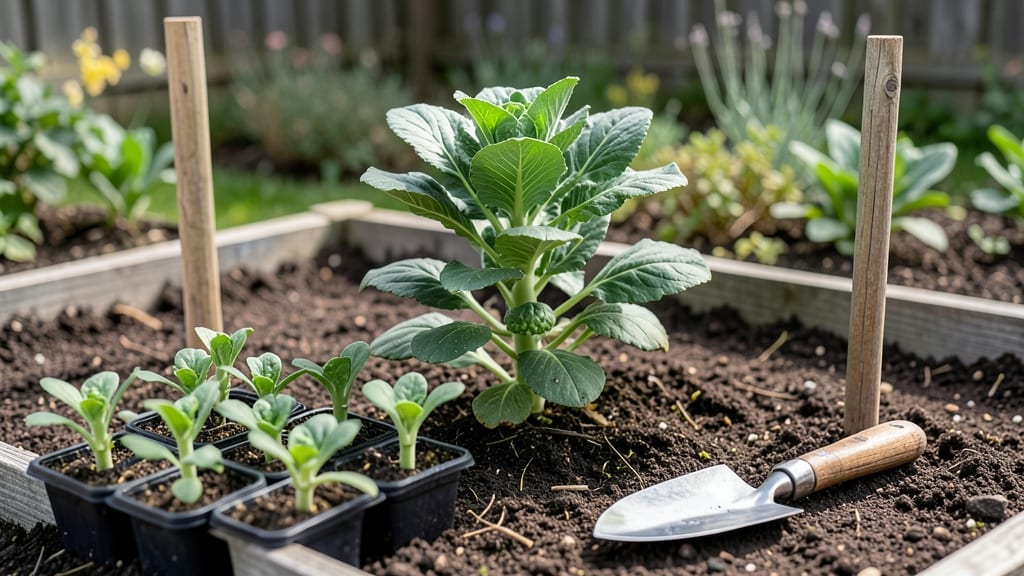
If you’ve ever planted 🥦 brussel sprouts in Missouri only to watch them bolt or wither before harvest, you’re not alone—timing is the game-changer between success and disappointment.
Missouri’s USDA Zones 5b-6b offer two perfect windows to grow these cool-season gems, but one wrong move—like planting too early or late—can ruin your entire crop.
The secret lies in aligning your schedule with Missouri’s last frost dates (usually around April 15) and the 90-day growth cycle these veggies need.
Whether you’re a first-time gardener or a seasoned green thumb, getting the timing right means the difference between a bountiful fall harvest and a bitter disappointment. Let’s break down the exact spring and fall planting windows that work for Missouri’s climate.
Spring planting kicks off in mid-March to early April, but rushing it risks frost damage. Fall planting, on the other hand, should happen between late July and early August to ensure sprouts mature before the first hard frost in October or November.
Miss these windows, and you’ll either deal with stunted growth or watch your plants bolt into flower—turning your tasty sprouts into bitter, inedible stalks.
In this guide, I’ll walk you through the precise planting schedule for Missouri, including soil prep tips, frost-proofing tricks, and how to adjust for your specific microclimate.
By the end, you’ll know exactly when to plant for zero-bolt, zero-stress brussel sprouts—so you can enjoy a harvest that rivals your favorite farmstand’s.
Missouri’s ideal planting windows for brussel sprouts (with frost date rules)
Missouri’s USDA Zones 5b-6b create perfect conditions for Brussel sprouts, but timing is critical. The Show-Me State’s cool seasons (spring/fall) are ideal, while summer heat triggers bolting. Here’s how to align your planting with Missouri’s frost-free period of 165 days.
For spring planting, aim for mid-March to early April—just as soil temperatures reach 45-50°F. This gives plants 90-120 days to mature before first frost (typically October 15). Fall planting should start late July to early August for harvests through January.
Use Missouri’s average last frost date (April 15) as your anchor. Seedlings need 8-10 weeks before transplanting, so start indoors by February 15 for spring crops. For fall, direct-sow July 20-August 5 to avoid summer heat stress.
🌱 Missouri Brussel Sprouts Planting Timeline
| Season | Planting Window | Key Conditions | Harvest Window |
|---|---|---|---|
| Spring | Mid-March to early April | Soil 45-50°F, frost-free | October to December |
| Fall | Late July to early August | Avoid 85°F+ heat | November to January |
| Indoor Start | February 15 (spring) / June 15 (fall) | 8-10 weeks before transplant | N/A |
📅 Pro Tip: Check your local Missouri Climate Center for exact frost dates—St. Louis and Kansas City can vary by 1-2 weeks.
Missouri’s northern regions (like St. Joseph) have shorter growing seasons, while southern areas (e.g., Springfield) can extend fall harvests. Always verify soil temperature—Brussel sprouts need consistent 60-75°F to thrive. Use a soil thermometer to confirm readiness.
For direct sowing, wait until after April 15 (last frost) and ensure nighttime temps stay above 50°F. Seedlings planted too early may bolt prematurely or suffer frost damage. Fall plantings must avoid summer heat—aim for 75°F or cooler soil temps.
Missouri’s microclimates matter! Urban areas like Kansas City often experience heat islands, while rural Ozarks regions stay cooler. Adjust planting by 1-2 weeks later in hotter zones. Monitor weather forecasts for late frosts—even USDA Zone 6 can see unexpected cold snaps.
If you’re seed-starting indoors, provide 12-14 hours of light daily and 65-70°F temps. Harden off seedlings 1 week before transplanting to prevent shock. Use black plastic mulch to warm soil faster in spring or straw mulch to insulate in fall.
Remember: Brussel sprouts are cool-season crops—they won’t tolerate summer heat. If your July temps exceed 85°F, switch to fall planting or use shade cloth for young plants. The key is consistent cool temps for 90 days of growth.
🌿 For zero-bolt harvests, prioritize spring and fall plantings. Avoid summer sowing unless you’re in shaded beds or using row covers. With these Missouri-specific timing rules, you’ll enjoy tender, flavorful sprouts all season long!
Missouri’s ideal planting windows for brussel sprouts (with frost date rules)
Missouri’s USDA Zones 5b-6b create a unique challenge for growing 🥦 brussel sprouts—you’ve got just 165 frost-free days to work with. That’s why I focus on two critical planting windows: spring and fall.
Spring planting starts mid-March to early April, while fall planting happens between late July and early August. These timelines ensure your plants mature before the first hard frost around October 15.
Timing is everything because brussel sprouts need 90 days to reach harvest. Plant too early, and a late frost will kill your seedlings. Plant too late, and summer heat will trigger bolting—turning your sprouts into bitter, inedible flowers.
The key is aligning your planting with soil temperatures of 45-55°F, which is ideal for germination.
Here’s the breakdown of Missouri’s planting windows, frost dates, and soil temperature triggers to keep your brussel sprouts on track for a zero-bolt harvest:
| Planting Window | Frost Considerations | Soil Temp for Planting | Days to Harvest |
|---|---|---|---|
| Mid-March to Early April | After last frost (April 15) | 45-55°F (use row covers if needed) | 90-120 days (harvest Oct-Dec) |
| Late July to Early August | Before summer heat triggers bolting | 50-60°F (avoid planting in 80°F+ soil) | 80-90 days (harvest Nov-Jan) |
For spring planting, I recommend starting seeds indoors 8-10 weeks before your last frost date. This gives you a head start on the 90-day growth cycle.
If you’re sowing directly outdoors, wait until the soil warms to at least 45°F and use row covers to protect young plants from late frosts.
Fall planting is trickier because summer heat can cause bolting. To avoid this, plant in late July or early August when soil temperatures drop below 80°F. Choose shade-tolerant varieties like ‘Ruby Ball’ if your garden gets intense afternoon sun. Mulch heavily to keep roots cool and consistent.
Missouri’s microclimates can shift frost dates by 1-2 weeks, so I always check the local USDA frost calendar or use a frost-free date calculator for your exact location. A few degrees can mean the difference between a successful harvest and a failed crop—so don’t skip this step!